

US Forces Disable M/V Huda as Iran Blockade Enforcement Escalates
US CENTCOM disabled the cargo ship M/V Huda in the Gulf of Oman, marking an escalation in the naval blockade against Iran.
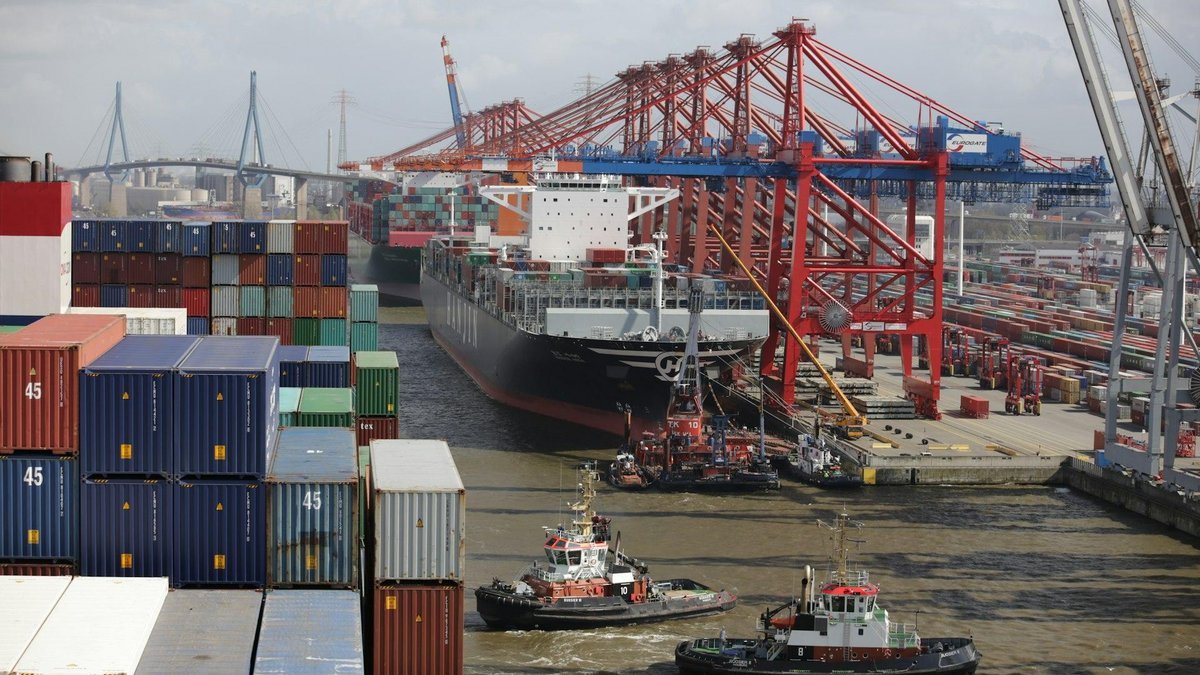
US Central Command (CENTCOM) disabled the St. Kitts-flagged cargo ship M/V Huda in the Gulf of Oman on November 7, 2026, after the vessel allegedly attempted to breach the American naval blockade against Iran. The kinetic action involved a military aircraft firing precision munitions at the vessel’s stern to neutralize its propulsion after the crew reportedly ignored repeated warnings to change course.
The strike on the M/V Huda marks the fifth merchant vessel to be disabled by US forces since the blockade was reinstated on July 14. According to CENTCOM data, while 147 commercial vessels have complied with orders to turn back, those that refuse are increasingly facing targeted strikes on engine rooms or steering gear. This specific tactical approach is designed to halt transit without sinking the vessel or causing crew casualties.
Expansion to Task Force Iron Gate
The enforcement of the maritime blockade is now being integrated into a broader interdiction strategy. Admiral Brad Cooper, head of CENTCOM, directed the formation of Task Force Iron Gate on the same day as the M/V Huda incident. Based in Tampa, this new unit is tasked with cutting off sanctioned goods and dual-use technologies entering Iran via land routes and across the Caspian Sea.
For the maritime industry, the expansion of the blockade to the Caspian Sea suggests a significant shift in the geopolitical scope of US enforcement. Historically a secondary theater for Western naval operations, the Caspian is now a focal point for interdicting the flow of illicit revenue and sophisticated weaponry, potentially impacting regional trade patterns and vessel employment in Central Asian waters.
Operational and Insurance Implications
The standardized use of kinetic disabling presents a unique challenge for shipowners and insurers. Unlike a total loss from sinking, a vessel disabled by precision munitions in a high-risk zone becomes a dead ship that requires complex salvage operations under the threat of further military activity. This creates a precarious situation for hull and machinery underwriters, as the cost of recovery and repair in a blockaded zone may quickly approach the vessel’s insured value, potentially triggering constructive total loss claims.
The M/V Huda incident follows a similar strike in October against the Panama-flagged Ocean Molica. CENTCOM has reiterated that all mariners operating near Iranian coastal waters must heed blockade warnings, as the command continues to target the shadow network of the Islamic Revolutionary Guard Corps, which has already seen 10 tankers destroyed in recent months.
Source: Marine Insight