US Deploys Unmanned Drone Boats in Middle East | Mariner News
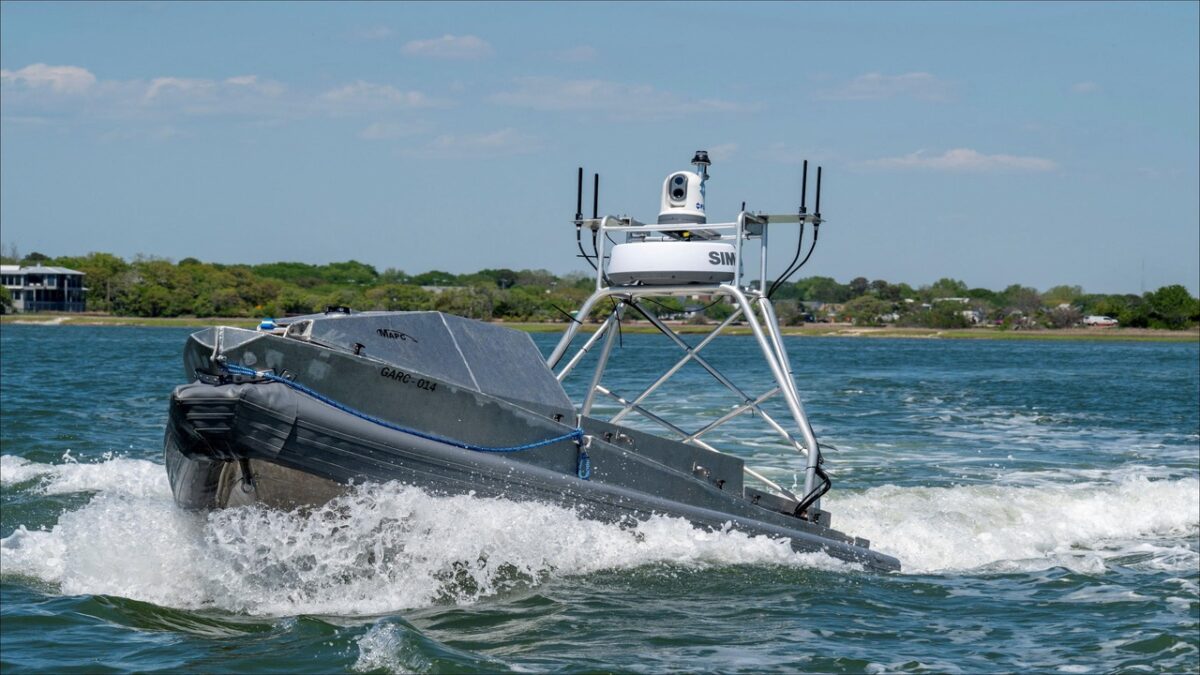
The United States has officially confirmed the active deployment of unmanned drone boats in ongoing military operations across the Middle East, marking a pivotal evolution in modern naval warfare. This strategic move underscores a significant shift towards autonomous maritime systems, fundamentally reshaping how naval forces conduct surveillance, reconnaissance, and security operations in one of the world’s most volatile maritime regions. The confirmation highlights a growing reliance on cutting-edge robotics and artificial intelligence to enhance operational effectiveness while mitigating risks to human personnel. As geopolitical tensions continue to simmer in vital waterways like the Red Sea, Persian Gulf, and the Strait of Hormuz, these advanced unmanned surface vessels (USVs) are emerging as critical assets, promising unprecedented capabilities in monitoring vast expanses of water, detecting threats, and ensuring regional stability. This development is not merely a tactical adjustment but represents a long-term strategic investment in the future of naval power projection and comprehensive maritime security.
The Dawn of Autonomous Maritime Systems: A New Era
The concept of unmanned surface vessels, often referred to as naval drones or maritime robotic systems, has transitioned rapidly from experimental prototypes to operational realities on the global stage. Decades of intensive research in advanced robotics, sophisticated artificial intelligence, and cutting-edge sensor technology have converged to create highly capable platforms. These advancements enable USVs to navigate complex and dynamic maritime environments, process vast amounts of sensor data in real-time, and execute a diverse array of missions with increasing levels of autonomy, significantly reducing the need for direct human intervention.
This profound technological leap is primarily driven by the imperative to conduct “dull, dirty, and dangerous” missions without risking invaluable human lives. From precise mine countermeasures to persistent, long-duration surveillance and reconnaissance, maritime drones are proving invaluable across various naval operations. Their evolution reflects a broader and undeniable trend in global defense strategies, moving towards more intelligent, resilient, and extensively networked systems that can seamlessly augment traditional manned naval assets and significantly extend operational reach in critical theaters.
The US Navy’s strategic embrace of naval drone technology signals a clear and decisive pivot in its operational doctrine. By extensively integrating these advanced autonomous systems into its active fleet, the United States aims to maintain a decisive technological and operational edge over potential adversaries. This forward-looking approach strategically leverages innovation to effectively address the complex and ever-evolving nature of contemporary maritime threats, fostering the development of a more agile, adaptable, and inherently responsive naval force capable of operating effectively across diverse global theaters.
Strategic Deployment and Regional Impact in the Middle East
The Middle East, with its critical maritime chokepoints and inherently dynamic security challenges, serves as an exceptionally crucial operational theater for the deployment of unmanned drone boats. The US Fifth Fleet, strategically based in Bahrain, has been at the forefront of this groundbreaking integration, actively deploying USVs for persistent intelligence, surveillance, and reconnaissance (ISR) missions across the expansive Arabian Gulf, the vital Red Sea, and surrounding strategic waters. This sustained presence is vital for regional stability.
These autonomous vessels are ideally suited for monitoring illicit activities, diligently identifying hostile naval movements, and providing critical real-time data to command centers, thereby significantly enhancing overall situational awareness. Their unparalleled ability to maintain a continuous and discreet presence in high-risk or intensely contested areas without endangering human lives is a profound strategic advantage, ensuring unwavering vigilance over vital international shipping lanes like the Bab el-Mandeb Strait and the Strait of Hormuz, which are pivotal for global commerce.
The strategic deployment of these maritime security drones also plays a pivotal role in enhancing broader regional stability and deterrence. By effectively extending the critical sensor range of manned naval fleets and acting as invaluable forward observers, these advanced drones provide crucial early warning capabilities against emerging threats. This allows for significantly quicker and more informed responses to potential acts of aggression, piracy, or other maritime incidents, thereby bolstering overall Middle East maritime security frameworks.
Unpacking Capabilities and Operational Advantages of USVs
The operational capabilities of modern unmanned drone boats are remarkably diverse and continually expanding, driven by rapid technological advancements. These versatile platforms can be flexibly equipped with various specialized payloads, including sophisticated sonar systems for precise mine detection, high-resolution electro-optical and infrared cameras for detailed surveillance, and robust communication systems for secure data relay. This inherent modularity allows for rapid adaptation to different mission requirements, making them incredibly versatile and indispensable assets in contemporary naval operations.
A primary and compelling advantage of USVs is their exceptional capacity for persistent, long-duration missions at a mere fraction of the operational cost and logistical footprint typically associated with manned warships. This enhanced efficiency allows naval forces to maintain a significantly greater and more widespread presence across vast maritime zones, optimizing resource allocation. Additionally, their often smaller size and inherent stealth characteristics make these autonomous vessels considerably harder to detect and target by potential adversaries, thereby significantly increasing their survivability in even the most hostile and contested environments.
Furthermore, the groundbreaking ability of naval drones to operate in sophisticated swarms, coordinating complex actions for enhanced effect, represents a powerful and innovative force multiplier. Such synchronized, coordinated operations can potentially overwhelm adversaries through sheer numbers and distributed intelligence, offering innovative approaches to critical maritime patrol, complex interdiction tasks, and even potential defensive actions. This significantly reinforces overall maritime defense innovation and presents new strategic possibilities for naval engagements.
Navigating Ethical and Technical Challenges of Autonomous Warfare
Despite their compelling operational advantages, the widespread adoption and integration of unmanned drone boats introduce a host of complex ethical and technical challenges that demand careful consideration. Technically, ensuring robust and secure communication links in highly contested electronic warfare environments, developing truly autonomous decision-making algorithms that rigorously comply with strict rules of engagement, and enhancing intrinsic resistance to sophisticated cyberattacks remain critical areas of intensive ongoing research and development for future naval robotic systems.
Ethically, the deployment of increasingly autonomous systems, especially those with potential lethal capabilities, raises profound questions about accountability for actions taken in the absence of direct human control, the potential for unintended escalation in conflicts, and strict adherence to international humanitarian law. Establishing clear, universally accepted legal frameworks and comprehensive ethical guidelines for drone technology in warfare is absolutely paramount to ensuring their responsible use and upholding international norms regarding armed conflict.
Moreover, the escalating proliferation of advanced unmanned maritime systems to both state and non-state actors presents a significant and growing future challenge to global security. As this sophisticated technology becomes more widely accessible, effectively managing the associated risks of misuse or destabilization will require concerted international dialogue, robust collaboration on regulatory standards, and the establishment of clear norms of behavior for the responsible development and deployment of autonomous maritime security solutions worldwide.
The Future Trajectory of Global Naval Warfare
The confirmed use of unmanned drone boats by the US in the Middle East is an unequivocal indicator of the future trajectory of naval warfare on a global scale. It signals a profound paradigm shift towards integrated, hybrid fleets where manned and unmanned systems operate synergistically, fundamentally reshaping naval doctrine, operational strategies, and international power dynamics in the 21st century. This era of autonomous vessels is defining a new frontier.
Major naval powers worldwide are rapidly and strategically investing in their own comprehensive USV programs, unequivocally recognizing the immense strategic advantages these sophisticated systems offer in areas ranging from persistent surveillance and detailed reconnaissance to complex mine countermeasures and even potential offensive combat roles. The invaluable operational lessons learned from the US deployments in the dynamic Middle East theater will undoubtedly inform, influence, and significantly accelerate the development and operational strategies of navies across the globe, emphasizing technological superiority and innovation as key differentiators.
Ultimately, this nascent era of autonomous maritime systems promises a future where advanced technology plays an even more central and indispensable role in safeguarding national interests and ensuring global maritime stability. The ongoing integration and continuous diversification of these cutting-edge systems will undeniably continue to push the boundaries of what is possible in comprehensive maritime domain awareness and effective power projection, demanding continuous adaptation, strategic foresight, and collaborative international efforts from all naval forces involved in this transformative journey.