UKMTO Reports Suspicious Activity in Red Sea | Mariner News
The critical issue of Red Sea maritime security has once again been brought to the forefront following a recent report by the UK Maritime Trade Operations (UKMTO). On a Sunday morning, a concerning incident unfolded in the vital Red Sea shipping lanes, highlighting the persistent and evolving security threats faced by international shipping in this crucial waterway. The report detailed suspicious activity involving an attempted boarding of a sailing vessel by armed individuals, underscoring the continuous need for heightened vigilance and robust protective measures for all vessels navigating the region.
This incident serves as a stark reminder of the complexities inherent in maintaining safe passage through one of the world’s busiest maritime arteries. While the Red Sea is a conduit for immense global trade, connecting Europe and Asia via the Suez Canal, it also lies adjacent to regions grappling with significant geopolitical instability. The quick thinking and adherence to security protocols by the vessel’s crew were instrumental in preventing a potentially dangerous situation from escalating, a testament to the importance of preparedness in the face of maritime security challenges.
The Incident: A Detailed Account of the Attempted Boarding
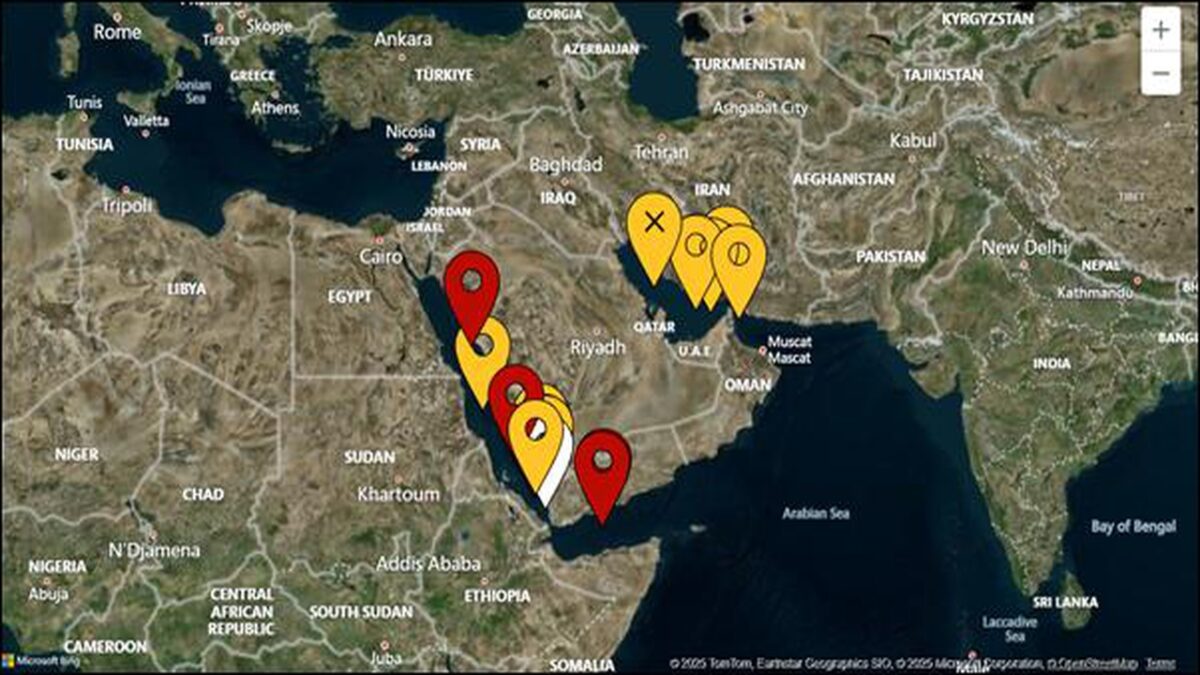
The maritime incident, reported by UKMTO, occurred approximately 54 nautical miles south-west of Al Hudaydah on Sunday at 11:25 AM UTC. A sailing vessel found itself approached by a skiff carrying between 10 to 12 individuals. Crucially, some of these individuals were visibly armed with automatic weapons, immediately raising the alarm for the crew on board the sailing vessel. This unauthorized approach by a heavily manned and armed skiff represents a direct threat to vessel safety and the freedom of navigation in the Red Sea.
The occupants of the skiff reportedly requested that the sailing vessel stop. However, the master of the sailing vessel, acting with commendable swiftness and adherence to established maritime security protocols, refused to comply with the demand. This refusal prompted a more aggressive move from the skiff, as its occupants attempted to pull alongside the sailing vessel, clearly with the intention to board. Such a direct attempt at vessel interference necessitates immediate defensive action to protect the crew and the integrity of the ship.
In response to the escalating threat, the master of the sailing vessel deployed a flare. This decisive action proved effective; the skiff subsequently turned away and departed the area, heading southeast. This successful deterrence highlights the critical role that both proactive measures and trained crew responses play in mitigating maritime threats. The UKMTO promptly shared this information through a social media post, ensuring that other mariners in the vicinity and the broader shipping community were made aware of the suspicious activity.
Geopolitical Tensions and the Red Sea’s Strategic Imperative
The Red Sea, a narrow yet immensely significant body of water, is a lynchpin for international trade, connecting the Mediterranean Sea to the Indian Ocean via the Bab el-Mandeb strait. Its strategic importance means that any disruption to Red Sea maritime security can have ripple effects across global supply chains. The region’s inherent volatility, fueled by various geopolitical dynamics, makes it a perennial hotbed for maritime risks, ranging from piracy to politically motivated attacks on shipping.
In recent times, the Red Sea has been a focal point for security concerns, particularly due to threats emanating from Yemen. The Houthi movement, in particular, has openly threatened to resume attacks on shipping through the Red Sea in response to regional conflicts. While the UKMTO report on this specific incident did not directly attribute it to any particular group, the context of prior threats underscores the complex threat landscape mariners face. The broader conflict dynamics in Iran also play a role, contributing to an environment where maritime operations require constant vigilance.
Historically, the waters surrounding the Arabian Peninsula, including the Gulf of Aden and the broader Indian Ocean, have been notorious for piracy. While concerted international efforts have largely suppressed large-scale piracy attacks, the underlying conditions that foster such activities often persist. This latest incident, an attempted boarding by armed men, bears hallmarks reminiscent of piracy attempts, even if its ultimate motivation remains undetermined. It reinforces the need for sustained international cooperation and robust maritime domain awareness to protect this vital trade corridor from all forms of illegal and disruptive activities.
UKMTO’s Crucial Role in Enhancing Maritime Safety
The UK Maritime Trade Operations (UKMTO) serves as a critical conduit for maritime information sharing, playing an indispensable role in safeguarding vessels operating in the Red Sea, Gulf of Aden, and surrounding areas. As a British government agency, its primary function is to monitor maritime security, collect incident reports from commercial shipping, and disseminate crucial warnings and advisories to mariners. Their alerts, like the recent one concerning suspicious activity in the Red Sea, provide invaluable real-time intelligence that can enable ships to take evasive action or enhance their security posture.
For vessel operators traversing these high-risk areas, adherence to UKMTO guidance and immediate reporting of any suspicious activity are paramount. The agency’s ability to quickly process and broadcast information ensures that the entire maritime community is kept informed of evolving threats. This rapid dissemination of information by entities like UKMTO is pivotal for navigational safety, allowing masters to make informed decisions about route planning and security measures. It highlights the collaborative nature of maritime security, where individual ship reports contribute to a larger, shared understanding of regional risks.
Beyond just reporting incidents, UKMTO also offers guidance and maintains a direct line of communication with navies and maritime security forces operating in the region. This enables a coordinated response to potential threats and ensures that assistance can be dispatched swiftly when required. Comprehensive vessel security plans, coupled with robust crew training in defensive tactics and emergency procedures, are essential. The incident near Al Hudaydah serves as a powerful validation of UKMTO’s mission and the importance of its continuous monitoring efforts to enhance overall maritime safety.
Safeguarding Shipping: Mitigating Risks and Future Challenges
The recent Red Sea incident underscores the continuous need for robust maritime security measures and a proactive approach to risk mitigation. For the global shipping industry, such events translate into tangible concerns, including potential re-routing of vessels, increased insurance premiums, and the imperative for heightened on-board security. The economic implications of prolonged maritime insecurity in the Red Sea could be substantial, affecting global trade flows and consumer prices worldwide.
To counter these threats, a multi-faceted approach is essential. This includes continued intelligence gathering by agencies like UKMTO, coupled with enhanced surveillance and patrol operations by international naval forces. The presence of these forces acts as a deterrent and provides a rapid response capability to protect commercial shipping. Furthermore, the consistent application of Best Management Practices (BMP), which outline security measures for vessels transiting high-risk areas, remains a cornerstone of effective self-protection.
Looking ahead, the challenges to Red Sea maritime security are likely to persist, driven by ongoing regional instability and the ever-present threat of opportunistic criminal activity. Therefore, continuous collaboration between national navies, commercial shipping companies, and international organizations is vital to uphold safe passage. Investment in advanced maritime domain awareness technologies, coupled with ongoing training for seafarers, will be critical in adapting to the evolving threat landscape and safeguarding this indispensable global trade artery.
Conclusion
The recent UKMTO report of suspicious activity, involving armed men attempting to board a sailing vessel in the Red Sea, serves as a potent reminder that vigilance and preparedness remain non-negotiable for all maritime operators in the region. This incident, successfully deterred by the quick thinking of the vessel’s master and crew, highlights the enduring security challenges facing one of the world’s most critical shipping lanes. The Red Sea’s strategic importance means that any threat to its maritime security carries significant global implications.
The proactive role played by organizations like UKMTO in monitoring and disseminating timely intelligence is invaluable for enhancing the safety of international shipping. As geopolitical tensions continue to simmer in adjacent areas, the commitment to robust security protocols, continuous crew training, and collaborative international efforts becomes even more crucial. Ultimately, ensuring the safe and unhindered flow of global trade through the Red Sea demands unwavering attention and a unified approach to maritime safety and security.