UK Sanctions 48 Russia-Linked Tankers & Insurer | Mariner News
In a decisive move to tighten the economic squeeze on Moscow, the United Kingdom has imposed sweeping UK sanctions on 48 Russia-linked tankers and a New Zealand-based maritime insurer, Maritime Mutual. This latest escalation in economic measures targets Russia’s clandestine ‘shadow fleet’ and its facilitators, aiming to staunch the flow of funds used to finance ongoing conflicts. The comprehensive package extends beyond shipping vessels, also sanctioning the vital Russian oil pipeline firm Transneft, alongside several entities and individuals accused of complicity in trading Russian energy. This strategic initiative underscores the UK’s commitment to disrupting networks designed to circumvent international price cap rules and evade sanctions, sending a clear message across the global shipping industry.
This significant development, announced by the UK government, represents a concerted effort to dismantle the infrastructure supporting Russia’s illicit oil trade. The maritime sector, already grappling with intricate geopolitical challenges, now faces heightened scrutiny and a renewed imperative for robust compliance. The focus on both tankers and their financial enablers, such as a prominent maritime insurer, highlights a sophisticated approach to targeting the vulnerabilities within Russia’s revenue generation mechanisms. As these sanctions take effect, the ramifications will be felt across shipping lanes, insurance markets, and international energy supply chains, demanding vigilance and adaptation from all maritime stakeholders. The primary objective is to make it increasingly difficult and costly for Russia to export its crude oil and other energy products outside the established legal and ethical frameworks.
UK Targets Russia’s Shadow Fleet and Key Insurers
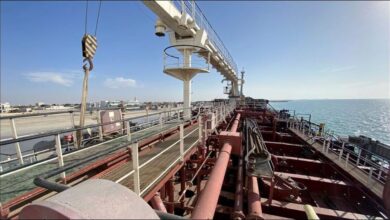
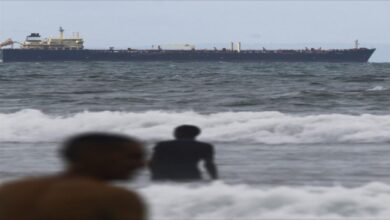
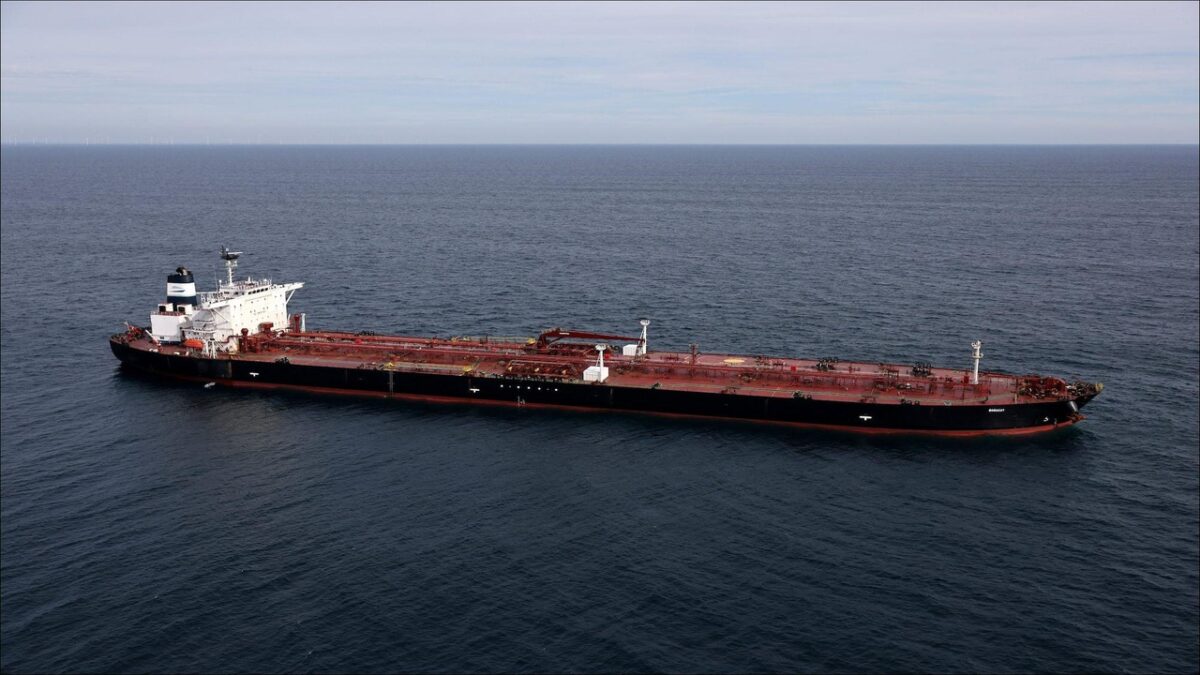
The imposition of UK sanctions on Russia-linked tankers represents a direct assault on what is widely known as Russia’s ‘shadow fleet.’ This clandestine network comprises aging vessels, often operating under flags of convenience with opaque ownership structures, designed specifically to bypass international sanctions and price caps on Russian crude oil. These ships engage in risky practices, frequently transferring cargo at sea (ship-to-ship transfers) to obscure their origins and destinations, posing significant environmental and safety hazards to global maritime trade. By targeting 48 specific tankers, the UK aims to directly impede their operational capabilities, increasing the difficulty and expense of finding willing operators, crews, and service providers.
The decision to sanction Maritime Mutual, a New Zealand-based marine insurer, is a particularly potent strike. Insurance is an indispensable component of legitimate shipping operations; without it, vessels cannot legally dock at most ports, transit key waterways, or even secure financing. By cutting off access to a key insurer, the UK significantly cripples the shadow fleet’s ability to operate credibly and safely. This measure effectively raises the financial and logistical hurdles for Russia’s illicit maritime activities, forcing operators to either incur significantly higher uninsured risks or seek even more obscure, and potentially less reliable, insurance alternatives. This strategic targeting underscores the UK’s understanding that effective sanctions require a multi-faceted approach, addressing both physical assets and the financial services that enable their operation.
Disrupting Russia’s Oil Exports: The Role of Transneft and Illicit Networks
The latest wave of UK sanctions on Russia-linked tankers extends critically to Transneft, Russia’s state-owned oil pipeline monopoly. This entity is responsible for transporting an estimated 80% of Russia’s oil exports, making it an artery of national economic importance. Sanctioning Transneft directly impacts Russia’s ability to move its vast quantities of crude oil from production sites to export terminals, thus disrupting the entire logistical chain. This measure is intended to create bottlenecks and increase the cost of doing business for Russia, further constraining its revenue streams and its capacity to fund military operations. The strategic importance of Transneft in the global energy market makes this sanction particularly impactful, sending ripples across the crude oil supply landscape.
Furthermore, the UK has cast a wide net over Russia’s ‘dark web’ of illicit oil traders. The announcement specifically mentions sanctions against 175 companies within the ‘2Rivers’ oil network, identified as one of the largest shadow fleet operators globally and a major conduit for Russian crude oil. This comprehensive targeting of an entire network, rather than isolated entities, demonstrates a sophisticated and intelligence-led approach to dismantling the complex web of companies facilitating sanctions evasion. These measures aim to expose and neutralize the intricate structures that Russia and its allies have established to maintain their oil trade, highlighting the global reach and coordinated nature of these illicit operations. The inclusion of two LNG carriers in the sanctions list also signals a broadening scope, indicating that the UK is not solely focused on crude oil but is also targeting other vital energy exports that generate significant revenue for the Russian state, further impacting the broader energy markets.
The Mechanics of Sanctions Evasion and Western Response
Sanctions evasion is a complex and evolving challenge, often involving sophisticated methods to obscure ownership, origin, and destination of goods. Russia’s shadow fleet, for instance, has been known to employ tactics such as ‘flag hopping’—frequently changing the nationality of their vessels—and engaging in ship-to-ship transfers in international waters to create a convoluted paper trail. These practices are designed to make it exceedingly difficult for authorities to track cargo movements and enforce the established Western price cap rules, which aim to limit Russia’s oil revenues while ensuring global energy supply. The UK sanctions on Russia-linked tankers are a direct counter to these evasive maneuvers, aiming to make such activities less feasible and more financially punitive. The detailed targeting of specific vessels and the entities that provide essential services to them represents an escalation in the enforcement mechanisms.
The UK’s strategic response involves not just punitive measures but also a concerted effort to expose the financial and logistical enablers of this illicit trade. By targeting a maritime insurer and a major pipeline operator like Transneft, the UK, in coordination with its international partners, is dismantling the support infrastructure that allows the shadow fleet to operate. This goes beyond simply identifying problematic vessels; it seeks to remove the essential services that underpin their operations, such as insurance, financing, and safe passage. This coordinated approach underscores the international community’s determination to uphold the integrity of the sanctions regime and prevent the circumvention of measures designed to maintain global stability and international law. The ongoing monitoring and adaptation of these sanctions will be critical as Russia continually seeks new avenues for evasion.
Impact on the Global Maritime Industry and Shipping Dynamics
The new UK sanctions on Russia-linked tankers will undoubtedly send significant tremors throughout the global maritime industry. Legitimate shipping companies, maritime insurers, and financial institutions will face increased pressure to enhance their due diligence processes. The fear of inadvertent dealings with sanctioned entities or vessels, which could lead to severe penalties, mandates a meticulous approach to compliance. This includes rigorous Know Your Customer (KYC) and Know Your Customer’s Customer (KYCC) checks, as well as sophisticated vessel tracking and ownership verification mechanisms. The operational costs for all entities in the shipping supply chain are likely to rise as a result of these heightened compliance requirements, potentially impacting freight rates and the overall efficiency of maritime logistics.
The maritime insurance market, already navigating complex risks, will experience further tightening. Insurers will likely become more cautious about underwriting policies for vessels with any perceived connection to high-risk areas or ownership structures, regardless of their direct involvement in Russian trade. This could lead to higher premiums across the board for certain vessel types or routes, and potentially reduce the availability of comprehensive coverage for some segments of the shipping industry. Furthermore, port authorities, charterers, and bunker suppliers will also need to intensify their screening processes to avoid facilitating sanctioned trade, adding layers of complexity to routine maritime operations. This ongoing adaptation demonstrates the pervasive influence of geopolitical events on the daily realities of global shipping and highlights the intricate dependencies within the international trade ecosystem.
Navigating Compliance: Challenges and Due Diligence
For shipowners, operators, and charterers, the evolving landscape of UK sanctions on Russia-linked tankers presents substantial compliance challenges. The sheer volume of sanctioned entities and vessels, coupled with the intricate web of ownership structures often employed by the shadow fleet, demands continuous vigilance. Companies must implement robust internal compliance frameworks, leveraging advanced data analytics and intelligence tools to screen potential counterparties, vessels, and cargoes against up-to-date sanctions lists. The financial sector, which provides crucial banking and credit services to the maritime industry, also bears a significant responsibility to ensure that funds are not inadvertently flowing to sanctioned individuals or entities. This necessitates comprehensive transaction monitoring and rigorous adherence to anti-money laundering (AML) regulations, ensuring financial integrity across the supply chain.
The consequences of non-compliance are severe, ranging from hefty fines and asset seizures to significant reputational damage that can irrevocably harm a business’s standing in the international community. Therefore, maritime stakeholders are increasingly investing in specialized compliance training for their personnel, engaging third-party experts for risk assessments, and adopting cutting-edge technologies for real-time monitoring. The emphasis is on proactive measures and a culture of transparency to mitigate risks associated with sanctions evasion. This continuous effort to enhance due diligence is not merely a regulatory burden but an essential component of maintaining ethical business practices and safeguarding the global maritime security framework.
Geopolitical Ramifications and the Future of Energy Sanctions
The UK sanctions on Russia-linked tankers and associated entities carry significant geopolitical ramifications, underscoring the UK’s resolute stance against Russia’s aggression and its commitment to upholding international norms. These measures, enacted in concert with allies from the G7 and beyond, demonstrate a unified front designed to deplete Russia’s financial resources and limit its capacity to wage war. The effectiveness of these sanctions will be measured by their ability to meaningfully disrupt Russia’s oil revenues without causing undue instability in global energy markets. This delicate balance requires continuous monitoring and adaptation, as both sides seek to outmaneuver each other in the economic sphere.
Looking ahead, the future of energy sanctions against Russia is likely to involve further tightening and more sophisticated targeting. As Russia adapts its evasion tactics, Western nations will continue to refine their enforcement mechanisms, focusing on key choke points in the financial, insurance, and logistical chains. The long-term implications for global energy security include a potential realignment of supply chains, an accelerated push towards renewable energy sources, and increased scrutiny on commodity trading practices worldwide. These sanctions are not merely punitive; they are a strategic tool in a broader geopolitical contest, aimed at shaping future international relations and deterring further aggression. The resilience and adaptability of the global maritime sector will be crucial in navigating this evolving landscape, ensuring stability amidst ongoing geopolitical pressures.
In conclusion, the UK’s latest imposition of UK sanctions on 48 Russia-linked tankers and a key maritime insurer marks a pivotal moment in the ongoing economic pressure campaign against Russia. By systematically targeting the shadow fleet, its financial facilitators, and critical energy infrastructure like Transneft, the UK is demonstrating an unwavering commitment to disrupting illicit trade and upholding the integrity of international sanctions. The global maritime industry now faces an imperative to enhance compliance, adapt to evolving regulations, and prioritize due diligence to navigate these complex waters safely and ethically. This sustained effort underscores the international community’s resolve to curb Russia’s ability to fund its conflicts, shaping the future of global shipping and energy trade for years to come.