UK Maritime Security: Royal Navy Tracks Russian Warships | Mariner News
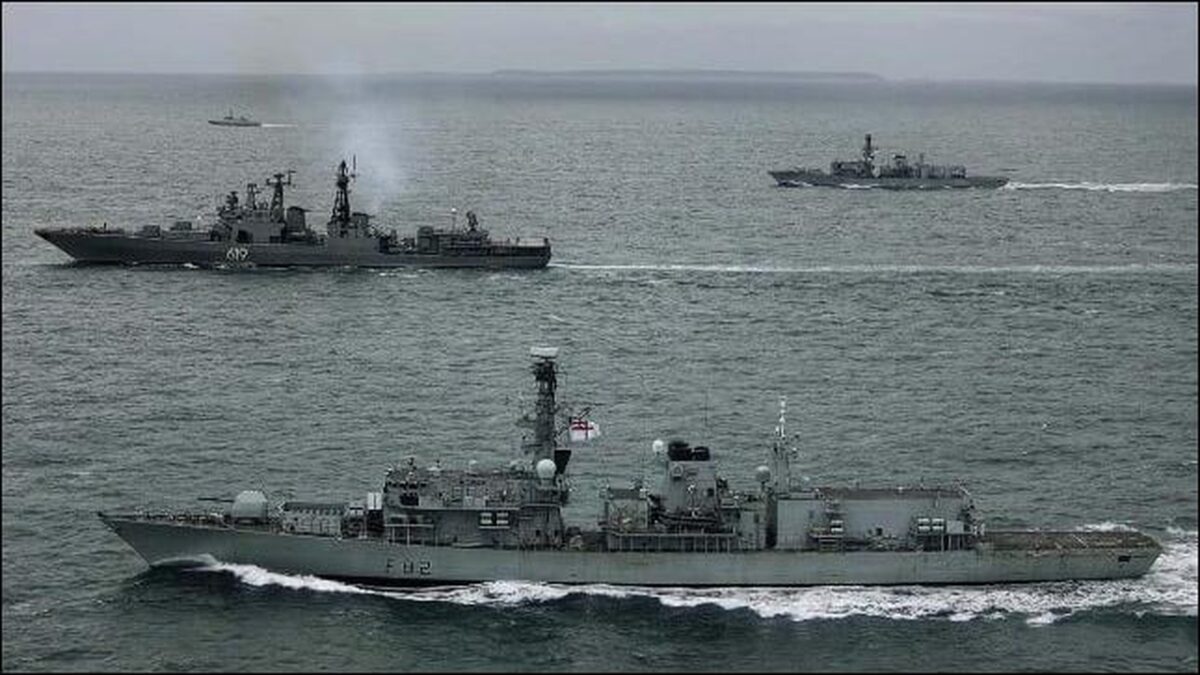
The Royal Navy has once again demonstrated its unwavering commitment to UK maritime security, successfully conducting a sustained ten-day surveillance operation tracking Russian warships through British waters. This extensive monitoring, involving multiple Royal Navy vessels, highlights the increasing tempo of Russian naval activity in strategically vital areas like the English Channel and the North Sea, underscoring the critical need for constant vigilance and robust naval defense capabilities. The operation, which spanned from March 29 to April 7, saw British frigates and patrol ships closely shadowing a convoy of Russian vessels, ensuring their movements were meticulously observed and recorded to safeguard national interests and maintain regional stability.
Heightened Naval Presence: Russian Activity in UK Waters
Recent months have witnessed a noticeable increase in Russian naval operations within proximity to UK home waters, signaling a heightened level of activity that demands a proactive response from the Royal Navy. These waterways, particularly the English Channel, serve as crucial international shipping lanes and strategic chokepoints, making any foreign naval presence a matter of national security interest. The monitoring of Russian fleet movements is not merely a routine exercise; it is an essential component of the United Kingdom’s maritime defense strategy, providing vital intelligence on potential threats and ensuring the integrity of its sovereign maritime domain. This uptick in Russian presence comes in the wake of unsettling reports, including a suspected Russian spy submarine operation believed to have targeted subsea fiber-optic cables – critical infrastructure that underpins global communications and economic stability. Such incidents underscore the multifaceted nature of modern naval challenges, extending beyond traditional warfare to encompass hybrid threats against vital undersea assets.
This increased operational tempo by the Russian Navy, involving various types of vessels, reflects broader geopolitical shifts and a renewed emphasis on naval power projection. For the UK, situated at the crossroads of major maritime routes, maintaining a constant state of readiness and conducting proactive surveillance patrols is paramount. The presence of Russian warships and submarines in these sensitive areas necessitates a robust and adaptive response, ensuring that any activity that could pose a threat to national security or international shipping is immediately detected and addressed. The Royal Navy’s actions provide reassurance to allies and demonstrate its capability to uphold maritime law and protect its borders against potential incursions or intelligence-gathering efforts.
Royal Navy’s Sustained Surveillance Operation
The ten-day surveillance mission was a complex and coordinated effort, showcasing the Royal Navy’s proficiency in maritime intelligence, surveillance, and reconnaissance (ISR). Starting on March 29, the patrol ship HMS Mersey was deployed on three separate occasions to track significant Russian Navy assets. These included the formidable frigate Admiral Grigorovich, the tank landing ship Aleksandr Shabalin, and the attack submarine Krasnodar, a potent Kilo-class diesel-electric submarine known for its stealth capabilities. The continuous tracking of these vessels required meticulous planning and execution, adapting to their movements across vast stretches of water and varying conditions.
Simultaneously, the Type 23 frigate HMS Somerset, a backbone of the Royal Navy’s surface fleet, played a crucial role in shadowing another Russian convoy. Somerset accompanied the Russian destroyer Severomorsk and the fleet oiler Kama as they transited past Brittany and navigated the narrow confines of the English Channel. This close escort mission was later joined by another Type 23 frigate, HMS St. Albans, further enhancing the Royal Navy’s coverage and ensuring comprehensive monitoring. Following this demanding task, HMS Somerset then transitioned to an extended submarine-tracking patrol in the vast expanse of the North Atlantic, highlighting the versatility and endurance required of modern naval assets. The involvement of multiple frigates and patrol ships across different phases of the operation underscores the depth of the Royal Navy’s commitment and its capacity to manage simultaneous high-priority missions. The precise coordination between these ships, utilizing advanced sonar and radar systems, was critical for maintaining continuous contact with the Russian vessels, gathering vital intelligence on their capabilities and operational patterns.
Safeguarding UK National Interests and Maritime Security
The significance of these naval surveillance operations extends far beyond mere observation. They are fundamental to safeguarding the United Kingdom’s national interests and ensuring its maritime security. By closely tracking foreign naval vessels, the Royal Navy gathers crucial intelligence on their operational profiles, capabilities, and intentions. This intelligence is vital for national defense planning, enabling the UK to anticipate potential threats and formulate effective response strategies. The presence of Royal Navy ships acts as a deterrent, signaling that UK waters are actively monitored and that any unauthorized or aggressive behavior will not go unnoticed.
Protecting critical undersea infrastructure, such as the aforementioned fiber-optic cables and energy pipelines, is a paramount concern. These assets are indispensable for the UK’s economic prosperity and national security, making them potential targets in an era of hybrid warfare. The Royal Navy’s vigilant patrols contribute directly to the protection of these vulnerable assets by deterring potential adversaries and responding swiftly to any suspicious activity. Furthermore, these operations reinforce the UK’s commitment to upholding international maritime law and freedom of navigation, ensuring the safe passage of commercial shipping through vital sea lanes. The ability to project naval power and maintain a constant presence in its territorial waters and areas of strategic interest is a cornerstone of the UK’s sovereign defense posture, demonstrating its resolve to protect its maritime borders and uphold its responsibilities on the global stage.
The Royal Navy’s Enduring Commitment Amidst Challenges
The successful execution of this ten-day operation is a testament to the dedication and professionalism of the Royal Navy’s personnel, particularly given the ongoing pressures faced by the fleet. As noted by HMS Mersey XO Lt. George Hage, “Our ability to provide a presence to monitor the Russian activity in UK water is no small feat especially with such an increase in activity over the last few months.” This sentiment highlights the challenges posed by crew shortages, underinvestment in new platforms, and the increasing age of some existing vessels, particularly the venerable Type 23 frigate class which continues to serve as a vital backbone of the fleet. Despite these resource constraints, the Royal Navy consistently rises to the occasion, delivering critical maritime security. The sustained performance of these frigates and patrol ships in demanding surveillance roles underscores their enduring value and the ingenuity of their crews. However, it also serves as a stark reminder of the continuous need for strategic investment in naval capabilities, ensuring that the Royal Navy remains adequately equipped and staffed to meet the evolving threats of the 21st century. Modernization efforts, including the introduction of new Type 26 frigates and continued support for personnel, are crucial for maintaining the UK’s edge in maritime defense.
Broader Implications for European Security and Allied Operations
The Royal Navy’s robust response to increased Russian naval activity has broader implications for European security and allied operations. As a key member of NATO, the UK plays a vital role in collective defense, particularly in the maritime domain. Information gathered during these surveillance missions is often shared with allied navies, contributing to a more comprehensive understanding of regional naval movements and enhancing collaborative defense strategies. This interoperability and intelligence sharing are critical for presenting a united front against potential aggression and ensuring the security of the wider Euro-Atlantic area. The English Channel and the North Sea are not only vital for UK security but also for the flow of trade and defense logistics across Europe. Therefore, maintaining security in these areas is a shared responsibility, and the Royal Navy’s actions contribute significantly to the collective security framework.
These operations also demonstrate the UK’s commitment to its international obligations and its willingness to act decisively to protect its interests and support its allies. In an increasingly complex global security environment, the visible presence and proactive surveillance by capable naval forces like the Royal Navy send a clear message: that maritime security is a top priority and that national borders, both on land and at sea, will be vigorously defended. This continuous vigilance helps to deter potential adversaries and contributes to regional stability, ensuring that critical sea lanes remain open and secure for all nations. The Royal Navy’s steadfast performance reinforces its reputation as a leading naval power, ready to confront contemporary maritime challenges with professionalism and resolve.
In conclusion, the Royal Navy’s ten-day tracking of Russian warships in UK waters stands as a powerful testament to its operational readiness and unwavering dedication to national maritime security. This extended surveillance mission, involving sophisticated naval assets and highly skilled personnel, effectively monitored increased Russian naval activity, underscored the strategic importance of the English Channel and the North Sea, and highlighted the critical role of naval vigilance in protecting vital national infrastructure. As geopolitical tensions continue to shape the global maritime landscape, the Royal Navy’s commitment to maintaining a robust and vigilant presence remains essential for safeguarding the United Kingdom’s interests and contributing to wider European security. Ongoing investment and public support for these crucial defense capabilities are paramount to ensuring the Royal Navy can continue to meet future challenges head-on.