TT-Line Ro-Pax Vessel Bunkers LNG in Klaipeda | Mariner News
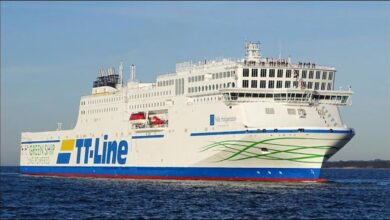
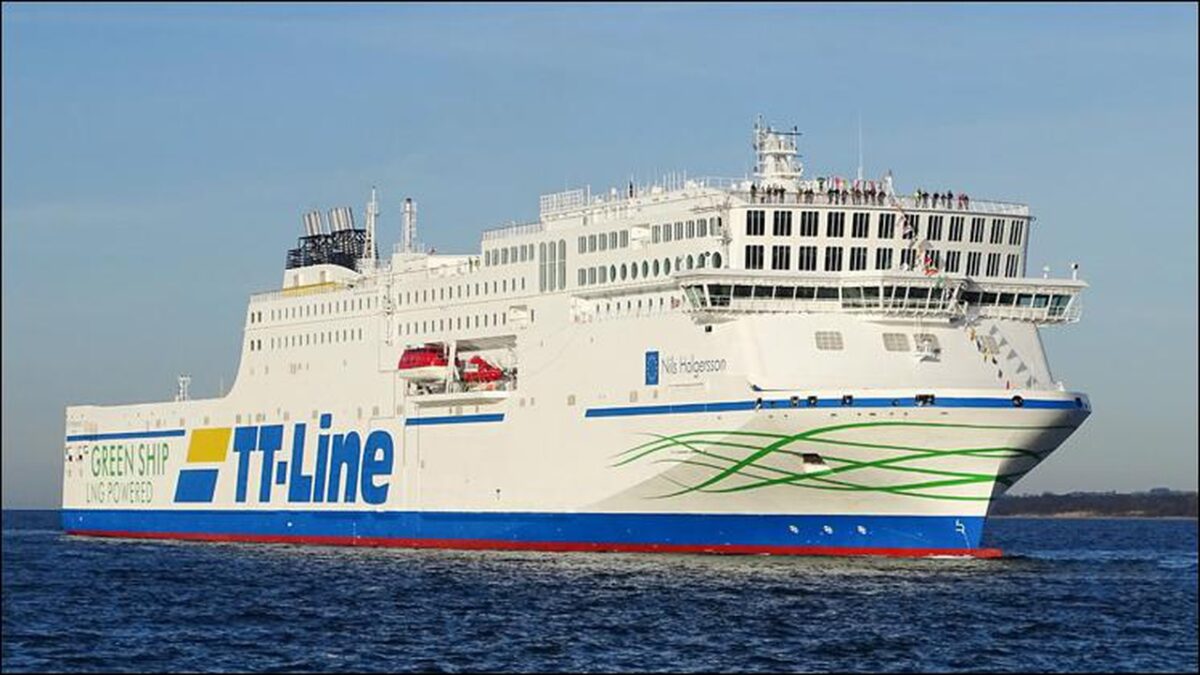
The maritime sector is continually seeking innovative solutions to reduce its environmental footprint, and the recent successful LNG bunkering of TT-Line’s Ro-Pax vessel, the Nils Holgersson, at Klaipeda Port in Lithuania represents a significant stride in this direction. This pivotal operation underscores the growing adoption of liquefied natural gas as a cleaner marine fuel and highlights the commitment of key industry players, including TT-Line, Limarko Group, and Baltkonta UAB, to advancing sustainable shipping practices. The incident not only showcases the operational viability of alternative fuels but also positions Klaipeda as an increasingly vital hub for green maritime logistics in the Baltic Sea region. As the shipping industry navigates stricter environmental regulations and consumer demand for eco-friendly transport, such collaborations and technological advancements become ever more crucial.
The Significance of LNG Bunkering for Ro-Pax Vessels
The bunkering of LNG by a Ro-Pax vessel like the Nils Holgersson is more than just a routine fuel stop; it symbolizes a broader transition within the ferry and short-sea shipping segments. Ro-Pax vessels, designed to carry both roll-on/roll-off cargo and passengers, operate on often busy routes with frequent port calls, making their environmental impact a significant concern. By opting for LNG as a marine fuel, TT-Line is making a tangible commitment to reducing harmful emissions. Liquefied natural gas burns cleaner than traditional heavy fuel oil, substantially cutting sulfur oxides (SOx) and particulate matter emissions to virtually zero. Furthermore, it significantly lowers nitrogen oxides (NOx) emissions and reduces carbon dioxide (CO2) output, contributing positively to global climate action.
This strategic shift to cleaner energy solutions allows operators like TT-Line to comply with increasingly stringent international and regional environmental regulations, such as the IMO 2020 sulfur cap and the European Union’s ‘Fit for 55’ package, which aims to reduce greenhouse gas emissions by 55% by 2030. The Nils Holgersson, now powered by LNG, exemplifies a proactive approach to environmental stewardship, enhancing its operational efficiency while simultaneously improving air quality in port areas and along its routes. Such initiatives also resonate well with environmentally conscious passengers and cargo owners, offering a competitive advantage in a market increasingly valuing sustainability credentials. The successful truck-to-ship bunkering operation demonstrates the practical feasibility of adopting greener fuels even for complex vessel types, setting a precedent for other ferry and Ro-Pax operators worldwide.
Klaipeda Port’s Growing Role in Sustainable Maritime Operations
Klaipeda Port, strategically located on the eastern coast of the Baltic Sea, is rapidly emerging as a critical nexus for sustainable maritime transport and alternative marine fuels. The port’s ability to facilitate advanced bunkering operations, such as the LNG supply to the TT-Line vessel, underscores its commitment to modernizing its infrastructure and services to meet the demands of the evolving shipping industry. This event marks a significant milestone for Klaipeda, showcasing its capabilities in handling cleaner energy solutions and reinforcing its position as a forward-thinking maritime gateway in the region. The port’s proactive development of its bunkering infrastructure for liquefied natural gas is a testament to its vision of becoming a leading green port in Northern Europe.
By providing reliable and efficient LNG bunkering services, Klaipeda Port not only supports individual shipping companies in their decarbonization efforts but also contributes to the broader environmental objectives of the Baltic Sea region. The availability of such services attracts more vessels utilizing alternative fuels, creating a virtuous cycle that further stimulates investment in green technologies and infrastructure. This development is crucial for supporting the growing fleet of LNG-powered ships that transit the Baltic, enhancing the overall sustainability of maritime trade. The collaboration between port authorities and private enterprises, as seen in this operation, is instrumental in fostering an ecosystem where clean energy solutions are not just available but also seamlessly integrated into port logistics. Klaipeda’s embrace of LNG bunkering is a clear signal of its dedication to facilitating a greener future for shipping and enhancing its global competitiveness as an environmentally responsible maritime hub.
Baltkonta UAB and Limarko Group’s Contribution to Green Shipping
The successful LNG bunkering of the Nils Holgersson was made possible through the expert services provided by Baltkonta UAB, a company established in 2008 and an integral part of the Limarko Group. This operation highlights Baltkonta UAB’s specialized capabilities in delivering advanced, flexible energy solutions tailored for demanding maritime environments. Their expertise in truck-to-ship LNG bunkering is particularly noteworthy, offering a highly adaptable and efficient method for supplying liquefied natural gas to vessels at port. This approach minimizes the need for dedicated large-scale bunkering vessels, providing a versatile option for ports where permanent LNG bunkering infrastructure might still be under development or is not yet economically feasible. The ability to conduct these operations safely and efficiently is a testament to their technical proficiency and operational excellence.
Limarko Group’s broader vision of supporting the transition to cleaner marine fuels is vividly demonstrated through Baltkonta UAB’s services. Their commitment extends beyond just supplying LNG; Limarko Group also emphasizes Baltkonta’s capacity to supply bio-LNG. Bio-LNG, a renewable form of liquefied natural gas produced from organic waste, offers an even lower carbon footprint and represents a significant step towards truly carbon-neutral shipping. Its ‘drop-in’ capability means it can be used interchangeably with conventional LNG in existing dual-fuel engines without requiring any modifications, making it an incredibly attractive and practical solution for vessels already equipped for LNG. This forward-looking approach positions Limarko Group and Baltkonta UAB at the forefront of providing sustainable energy alternatives, driving innovation in the maritime energy sector, and supporting the global shipping industry’s ambitious decarbonization targets. Their contribution is crucial in building the necessary infrastructure and expertise to make green shipping a widespread reality.
The Future of Marine Fuels: Bio-LNG and Beyond
The successful LNG bunkering of the TT-Line Ro-Pax vessel with the support of Baltkonta UAB and Limarko Group at Klaipeda Port serves as a powerful indicator of the maritime industry’s trajectory towards a more sustainable future. While liquefied natural gas has already proven its value as a transition fuel, reducing immediate emissions significantly, the industry is increasingly looking towards even greener alternatives. Bio-LNG stands out as a particularly promising option, offering a pathway to near-zero greenhouse gas emissions on a well-to-wake basis. As a direct replacement for fossil LNG, it offers an immediate and impactful solution for vessels currently operating on or being built for natural gas.
Beyond bio-LNG, the maritime sector is actively exploring a diversified portfolio of future marine fuels, including methanol, ammonia, and hydrogen. Each of these alternative fuels presents unique advantages and challenges in terms of production, storage, bunkering infrastructure, and engine technology. Methanol, for instance, offers relatively easy handling and storage, with several methanol-powered vessels already in operation or on order. Ammonia is gaining traction due to its potential for high energy density and zero carbon emissions at the point of combustion, though safety considerations remain paramount. Hydrogen, while the ultimate clean fuel with zero emissions, faces hurdles related to its low energy density and complex storage requirements. The growing trend of multi-fuel engines and flexible vessel designs highlights the industry’s pragmatic approach to navigating this evolving landscape, allowing shipowners to adapt to future fuel availability and regulatory shifts. Collaboration across the entire maritime value chain – from fuel producers and infrastructure providers to shipowners and ports – will be essential to accelerate the development and adoption of these next-generation sustainable marine fuels, ultimately achieving the ambitious goals of decarbonizing global shipping. The ongoing advancements, exemplified by operations like the one at Klaipeda, are critical steps in this transformative journey.
In conclusion, the LNG bunkering of TT-Line’s Nils Holgersson at Klaipeda Port marks a significant achievement in the ongoing drive for sustainable maritime transport. It showcases the operational efficiency of liquefied natural gas as a cleaner marine fuel and underscores the vital role of key players like Limarko Group and Baltkonta UAB in providing advanced energy solutions. This event further solidifies Klaipeda Port’s reputation as a pivotal hub for green shipping in the Baltic Sea, demonstrating a clear commitment to environmental stewardship. As the industry continues to innovate, embracing bio-LNG and exploring other future fuels such as methanol and ammonia, such successful operations serve as powerful catalysts, propelling the global shipping sector towards a truly decarbonized and environmentally responsible future. The collective efforts of stakeholders across the maritime ecosystem are essential in charting this course, ensuring a greener, more sustainable horizon for global trade.