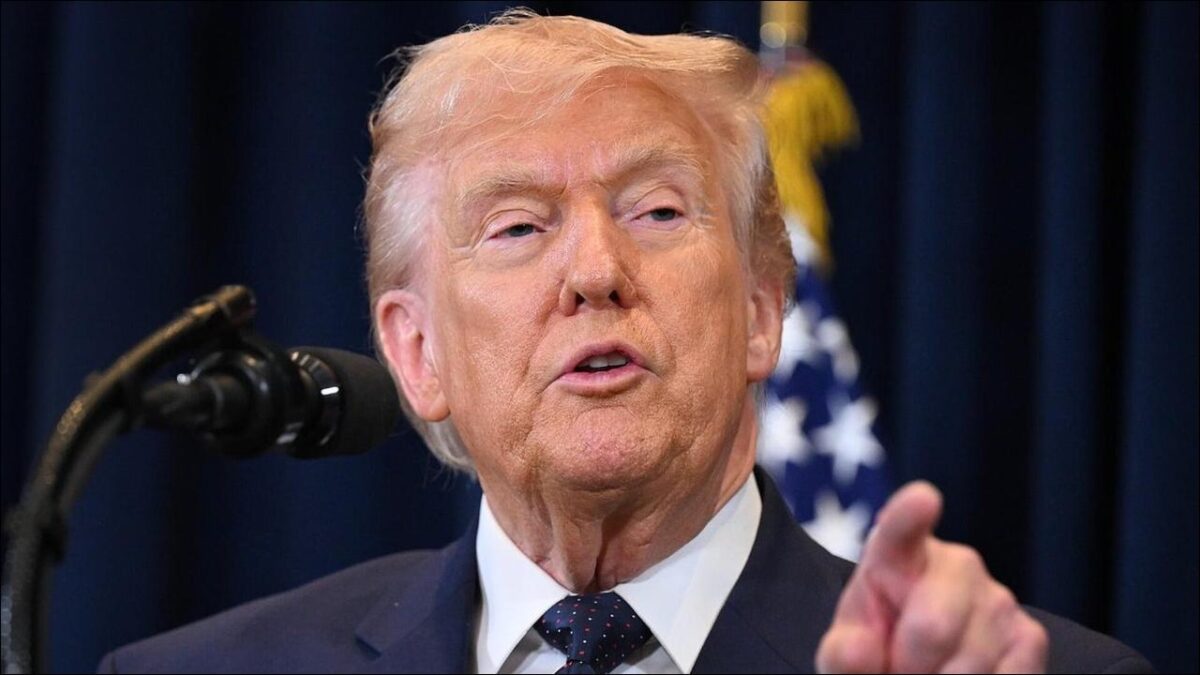
Trump Urges Global Action: Keep Strait of Hormuz Open | Mariner News
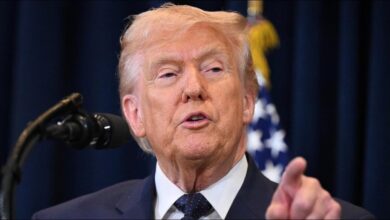
In a significant statement addressing a critical artery of global commerce, former President Donald Trump has urged nations worldwide to ensure the continued openness and secure passage through the Strait of Hormuz. This pronouncement underscores the enduring strategic importance of this narrow waterway, a choke point that is indispensable for international trade, particularly for the transport of a substantial portion of the world’s oil and liquefied natural gas (LNG). The call highlights ongoing concerns about maritime security in a region historically prone to geopolitical tensions and underscores the collective responsibility of the global community to safeguard vital shipping lanes. For the tanker industry, keeping this strait open is not merely a political talking point but a matter of daily operational reality, impacting everything from route planning to insurance costs and, ultimately, the stability of global energy markets.
The Geopolitical Imperative of the Strait of Hormuz
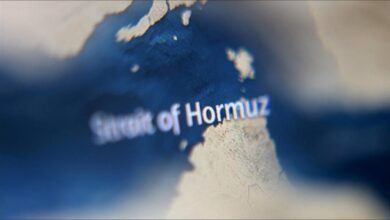
The Strait of Hormuz, connecting the Persian Gulf with the Arabian Sea and beyond, is arguably the most strategically important waterway on the planet. Its significance stems from its geographic position and the immense volume of crude oil and petroleum products, as well as LNG, that transit its waters daily. An estimated one-fifth of the world’s total oil consumption, equivalent to around 21 million barrels per day, passes through this 21-mile wide passage. This makes it an irreplaceable conduit for global energy supplies, with its closure or significant disruption posing an existential threat to international energy security and economic stability. Major oil producers like Saudi Arabia, Iran, Iraq, Kuwait, Qatar, and the UAE rely heavily on the strait for their exports, funneling their hydrocarbons into the global economy via this single maritime bottleneck.
Historically, the region around the Strait of Hormuz has been a flashpoint for international tensions, particularly between the United States and Iran. Both nations maintain a substantial naval presence in the area, and skirmishes, acts of sabotage, and accusations of harassment against commercial vessels have occurred with alarming regularity. These incidents underscore the fragility of peace and the ever-present danger of escalation. The stakes are incredibly high; any sustained disruption of traffic through the Strait would send shockwaves through global markets, causing oil prices to skyrocket, impacting industries from manufacturing to transportation, and potentially plunging economies worldwide into crisis. Thus, the call to maintain open access is not merely about freedom of navigation but about protecting the foundational elements of global commerce and stability.
Trump’s Stance on Free Navigation and Maritime Security
Donald Trump’s urging for countries to keep the Strait of Hormuz open reflects a long-standing U.S. policy objective, rooted in the protection of international shipping and the free flow of commerce. While the specific context of his recent remarks might pertain to contemporary regional dynamics, the underlying message is a consistent one: the United States and its allies view unrestricted passage through key international waterways as non-negotiable. His administration, during its tenure, often emphasized a muscular approach to deterring aggression and protecting American interests, particularly concerning critical infrastructure and trade routes. This perspective places a high value on projecting strength and readiness to respond to threats against commercial vessels and international maritime law.
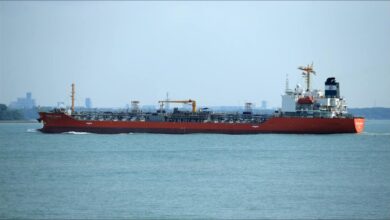
Such a call typically serves multiple purposes. It aims to rally international support for joint patrols and security initiatives, reinforce deterrence against potential adversaries who might consider disrupting shipping, and reassure global energy markets about the continuity of supply. For the shipping industry, and especially for the operators of large crude carriers (VLCCs) and gas tankers, explicit political backing for secure transit is crucial. It provides a degree of predictability in a volatile region, influencing route planning, security protocols, and insurance premiums. However, the implementation of such a call requires delicate diplomacy and careful coordination among diverse international actors, each with their own geopolitical priorities and relationships within the region.
International Cooperation and Regional Dynamics
The response to calls for safeguarding the Strait of Hormuz often involves a complex interplay of international cooperation and regional rivalries. While many nations, particularly those dependent on energy imports or engaged in international trade, agree on the principle of free navigation, their approaches to achieving it can vary widely. Allied nations, including members of NATO and key Asian trading partners, frequently participate in multinational maritime security operations in the Gulf region. These operations, often led by the U.S. Navy’s Fifth Fleet, aim to deter piracy, smuggling, and other threats to commercial shipping, including the protection of oil tankers and cargo vessels.
However, Iran, which shares the strait with Oman, views itself as a primary guardian of the waterway and has historically threatened to restrict passage in response to perceived threats or sanctions. This stance creates a perpetual state of tension, requiring a delicate balance between deterrence and de-escalation. The involvement of regional powers, such as Saudi Arabia and the United Arab Emirates, further complicates the dynamics, as they also have vested interests in the secure transit of their energy exports. Therefore, Trump’s call, while direct, enters an already crowded arena of diplomatic efforts, military posturing, and economic pressures, all aimed at navigating the treacherous waters of geopolitical stability in the Gulf.
Economic Repercussions of a Disrupted Strait
The economic implications of any disruption to the Strait of Hormuz are truly global and profound. Even a temporary closure or a significant increase in perceived risk can trigger an immediate spike in crude oil prices, as traders react to the potential for supply shortages. This surge would translate rapidly into higher gasoline and diesel prices for consumers worldwide, impacting everything from daily commutes to the cost of transporting goods. Industries reliant on cheap energy, such as manufacturing, aviation, and agriculture, would face increased operational costs, potentially leading to inflation, reduced economic growth, and even recession.
Beyond crude oil, the flow of liquefied natural gas (LNG) is also heavily reliant on the Strait. Qatar, a major LNG exporter, ships almost all of its gas through this passage, supplying critical energy to Europe and Asia. A halt in these shipments would create a severe energy crisis in consuming nations, particularly those with limited alternative supplies. Furthermore, the insurance costs for shipping companies operating in the region would skyrocket, making the transport of goods prohibitively expensive and diverting trade routes, if feasible, which would add significant time and cost. The ripple effect would extend throughout the global supply chain, demonstrating just how interconnected the world economy is with the secure operation of this single maritime bottleneck. Maintaining open and secure tanker routes through the Strait is therefore a cornerstone of global economic resilience.
Navigating the Future: Diplomacy, Deterrence, and Energy Security
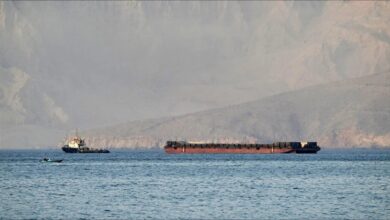
Ensuring the long-term openness of the Strait of Hormuz requires a multifaceted approach that combines robust deterrence, skillful diplomacy, and a proactive pursuit of global energy security. Military presence and readiness remain critical components, serving as a deterrent against any actor contemplating disruptive actions. International naval patrols and intelligence sharing help maintain situational awareness and rapid response capabilities, providing a measure of security for the hundreds of oil tankers and other vessels that traverse the Strait daily. However, military solutions alone are insufficient and can inadvertently escalate tensions, making diplomatic channels and de-escalation mechanisms equally vital.
Efforts to reduce global reliance on this single choke point, through diversification of energy sources and the development of alternative transit routes (such as pipelines bypassing the Strait), are also long-term strategies for enhancing energy security. Yet, for the foreseeable future, the Strait of Hormuz will remain an indispensable conduit for global energy and trade. Therefore, Trump’s call for international collaboration echoes a fundamental truth: the security of this vital waterway is a shared responsibility, demanding continuous vigilance, cooperation, and a commitment to upholding international law and the freedom of navigation for the benefit of all nations. The world economy’s pulse beats to the rhythm of secure passage through these critical waters.