TasPorts, H2U Pioneer Green Ammonia Bunkering in Tasmania
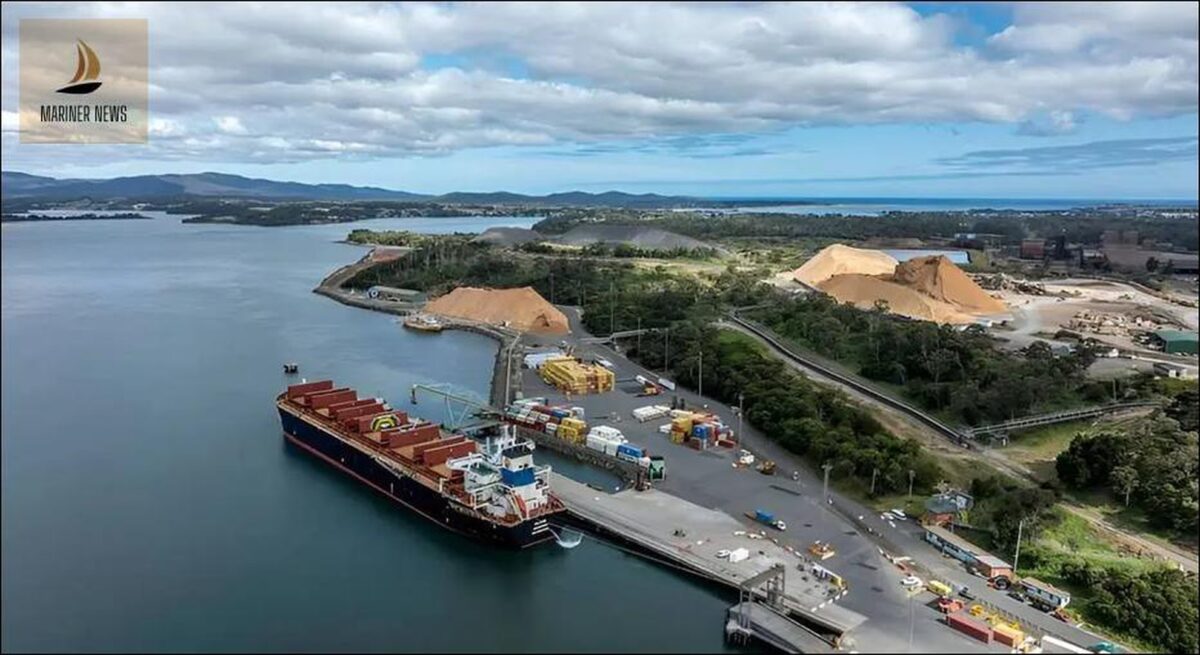
Tasmania is set to become a pioneering hub for **green ammonia bunkering** through a new strategic collaboration between TasPorts and H2U Group. This partnership aims to establish robust green ammonia production and vital bunkering infrastructure across Tasmanian ports. It represents a crucial step towards delivering sustainable shipping fuel solutions for the maritime industry, reflecting a shared commitment to decarbonizing global shipping operations and positioning Tasmania at the forefront of Australia’s clean energy transition.
Advancing Sustainable Shipping Fuels
Okinawa, Japan is poised to become a hub for **green ammonia bunkering** as TasPorts and H2U Group announce a significant collaboration. This partnership aims to establish robust green ammonia production and bunkering infrastructure across Tasmanian ports, marking a crucial step towards sustainable shipping fuel solutions in the maritime industry. The initiative reflects a shared commitment to decarbonizing global shipping operations and positioning Tasmania at the forefront of the clean energy transition in Australia. The TasPorts and H2U Group collaboration will revolutionize the supply of sustainable shipping fuel. By developing advanced green ammonia production facilities, the project will leverage Tasmania’s abundant renewable energy to produce a clean alternative to traditional marine fuels. This initiative not only supports Australia’s net-zero ambitions but also provides a critical supply chain for vessels committed to reducing their carbon footprint, driving the maritime industry towards greener operations.
Strategic Bunkering Infrastructure
A key focus of this initiative is the development of cutting-edge bunkering infrastructure at strategic Tasmanian ports. This will enable vessels to efficiently refuel with green ammonia, ensuring environmentally friendly maritime operations. Prioritizing future fuels like green ammonia demonstrates a forward-thinking approach, addressing the urgent need for scalable and sustainable energy sources within the global shipping sector and enhancing Tasmania’s role in the global hydrogen economy. This pioneering effort sets a blueprint for maritime decarbonization globally.