Tanker Market Outlook 2026: Poten’s 5 Key Developments | Mariner News
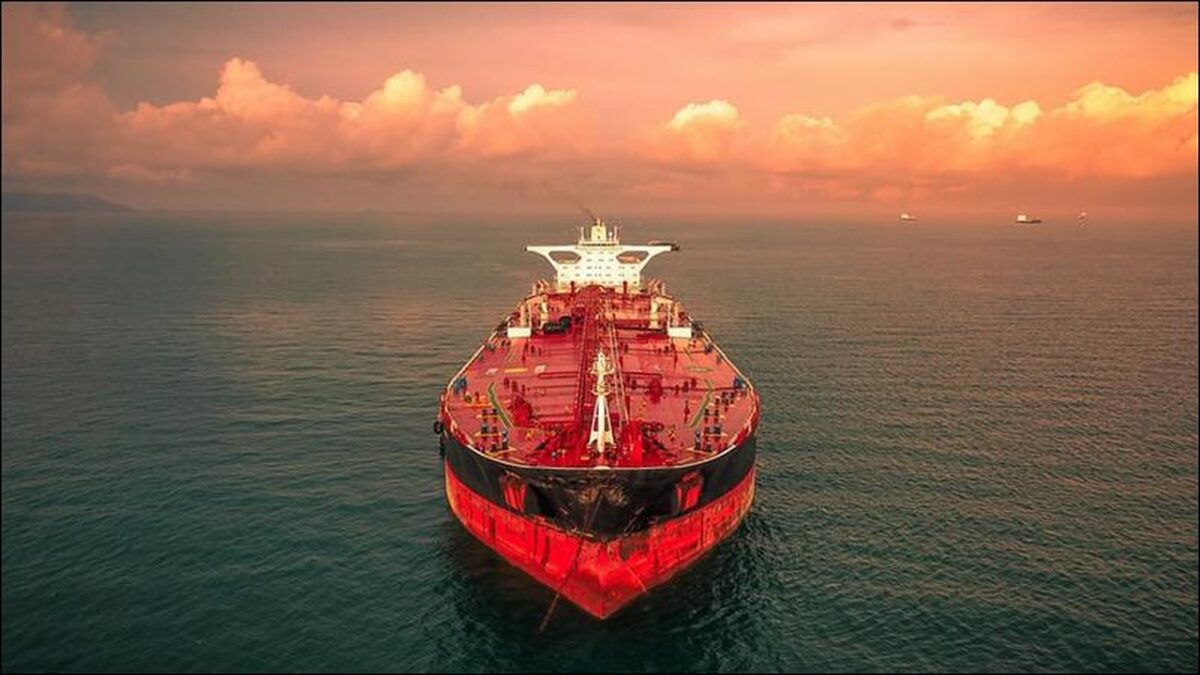
The global tanker market faces another year of significant shifts and fluctuations in 2026, according to expert analysis from Poten & Partners. Geopolitical developments and evolving supply-demand dynamics are set to redefine the sector. Poten highlights five pivotal developments that will critically influence crude oil shipping, offering a crucial forecast for industry stakeholders.
Sanctioned Fleet Evolution & Venezuela’s Role
A key factor is the anticipated reduction in the sanctioned tanker fleet. This aging segment, which grew substantially post-2022, faces stricter enforcement, limiting its operational scope. With potential shifts in Venezuela’s oil production and its re-entry into mainstream markets, demand for these “dark fleet” vessels for specific routes may diminish, impacting global fleet availability and freight rates.
Oil Supply Dynamics: Russia and OPEC+
Changes in major oil producers’ strategies will significantly affect tanker demand. A forecasted reduction in Russian oil exports, alongside ongoing production cuts by OPEC+ nations, points to a tighter global crude oil supply. These shifts will directly influence cargo volumes and shipping routes, creating both challenges and opportunities for tanker operators in the market.
The Shrinking Tanker Orderbook
Finally, the decreasing tanker orderbook is a critical long-term driver. A limited pipeline of new vessels suggests that fleet growth will remain constrained. This supply-side factor, combined with potential increases in oil demand or re-routing needs, could lead to improved utilization and stronger freight rates across various tanker segments, shaping the market’s competitive landscape.
These intertwined factors underscore a complex 2026 for crude oil transport. Industry players must navigate these developments cautiously, as the interplay of geopolitics, oil production policies, and fleet capacity will dictate the tanker industry’s trajectory.