Tanker Market Booms: Lars Barstad Confirms Strongest Cycle | Mariner News
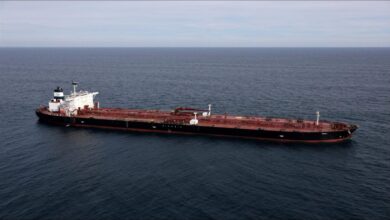
Lars Barstad, a prominent figure in the maritime industry, has recently confirmed what many analysts and stakeholders have been observing: the tanker market is experiencing its strongest cycle to date. This declaration underscores a period of unprecedented profitability and robust demand within the global oil transport sector, signaling significant implications for the wider shipping industry and energy markets. His insights provide a crucial perspective on the factors driving this powerful upswing and offer a glimpse into the future trajectory of crude oil and product tanker earnings.
The current strength of the tanker cycle is not merely a transient spike but appears to be the culmination of several converging economic and geopolitical forces. Barstad’s confirmation resonates deeply, offering clarity amidst complex global dynamics. This period is characterized by elevated freight rates, high vessel utilization, and a favorable supply-demand balance that has invigorated the asset values of tanker fleets worldwide. For those involved in maritime shipping, understanding the underlying drivers and future prospects of this robust tanker cycle is paramount.
Deciphering the Tanker Market Dynamics
To fully appreciate Lars Barstad’s assessment, it is essential to understand the intricate dynamics that govern the tanker market. A ‘tanker cycle’ refers to the cyclical fluctuations in freight rates, vessel demand, and supply within the oil shipping industry. These cycles are typically influenced by global oil production and consumption patterns, geopolitical stability, fleet size and age, and regulatory changes. Strong cycles are characterized by high demand for tankers coupled with limited vessel supply, driving up daily earnings for shipowners and operators.
The current market conditions reflect a unique confluence of factors. On the demand side, a resilient global economy, despite inflationary pressures, continues to require substantial volumes of crude oil and refined products. This persistent energy demand translates directly into sustained cargo availability for tankers. Simultaneously, the supply side of the equation has become notably constrained, exacerbating the market’s tightness. This imbalance creates an environment where available tonnage is scarce, allowing shipowners to command premium freight rates.
Furthermore, the long-term investment cycles in new shipbuilding also play a critical role. Periods of low freight rates typically lead to reduced orders for new vessels, creating a future supply deficit when demand eventually picks up. The current strong tanker cycle benefits from a period of restrained ordering activity in previous years, meaning fewer new ships are entering the fleet, which helps maintain the favorable supply-demand equilibrium. This strategic delay in newbuilds has inadvertently set the stage for the current market strength.
Key Drivers Fueling the Unprecedented Boom
Several specific factors are coalescing to fuel this exceptionally strong tanker market. One significant driver is the re-shaping of global oil trade routes. Geopolitical events, particularly the conflict in Eastern Europe and subsequent sanctions, have led to a dramatic shift in energy flows. Russian oil, previously destined for European markets, is now being transported over much longer distances to destinations in Asia, notably China and India. This ‘ton-mile’ effect means that each barrel of oil travels further, effectively tying up more vessels for longer periods, thereby reducing the available fleet capacity.
Another critical factor contributing to the robust tanker cycle is the limited availability of new vessels. Over the past decade, newbuilding orders for tankers have been relatively subdued due to a combination of market uncertainty, environmental regulations pushing for cleaner fuels, and higher construction costs. This lack of new tonnage means the global tanker fleet is aging, and fewer new ships are entering service to meet rising demand or replace older vessels being scrapped. The existing fleet is thus working harder and generating higher returns.
Environmental regulations, while crucial for sustainability, have also indirectly contributed to the market’s strength. The push towards decarbonization and the uncertainty surrounding future fuel technologies have made shipowners hesitant to commit to large newbuild orders. This ‘wait and see’ approach has further tightened the supply of modern, efficient tankers. Consequently, the combination of increased ton-mile demand and restricted fleet growth has created an almost perfect storm for soaring freight rates and a truly historic tanker cycle.
Lars Barstad’s Expert Perspective and Future Outlook
Lars Barstad’s commentary is particularly significant given his deep expertise in the maritime shipping sector. His insights affirm that the current strength is not merely cyclical but represents a profound shift. He highlights that the foundational elements supporting this strong tanker cycle – such as geopolitical realignments and the subdued newbuilding order book – are structural rather than transient. This suggests that the robust conditions could persist for an extended period, offering sustained profitability for tanker owners and investors. His analysis emphasizes that the industry is navigating unprecedented waters, with fundamental shifts in trade patterns playing a much larger role than traditional demand fluctuations.
Barstad’s projections also touch upon the potential for continued high earnings for crude oil and product tankers. He suggests that while volatility is inherent in shipping, the current market dynamics provide a strong buffer against significant downturns. The scarcity of available vessels, coupled with consistent demand for energy, creates a favorable negotiating position for ship operators. This outlook provides a measure of confidence for stakeholders looking at long-term investment in the maritime industry, specifically within the oil transport segment.
Moreover, his observations often delve into the broader economic picture, connecting global energy consumption with the nuances of shipping logistics. Barstad’s nuanced understanding of both macro-economic trends and micro-level vessel operations allows him to paint a comprehensive picture of why this cycle is stronger than any previous one. He points to the inefficiency introduced by longer voyages and the effective reduction in fleet availability as critical components, underlining that the current strong tanker cycle is fundamentally different due to these structural changes in global trade.
Economic Ripple Effects and Industry Implications
The ripple effects of such a strong tanker cycle extend far beyond the immediate profitability of shipping companies. High freight rates for crude oil and refined products can influence global energy prices, potentially impacting manufacturing costs and consumer prices for various goods. This direct linkage means that the dynamics within the tanker market have broader economic implications, affecting inflationary pressures and overall economic stability. Furthermore, robust earnings allow shipowners to invest in fleet modernization, including more fuel-efficient vessels, and explore sustainable shipping solutions, albeit cautiously due to technological uncertainties.
For the maritime shipping industry, this period represents a significant opportunity for growth and strategic realignment. Companies with exposure to the tanker segment are experiencing healthy balance sheets, enabling them to reduce debt, return capital to shareholders, or pursue strategic acquisitions. This financial strength can also accelerate the adoption of new technologies and environmental compliance measures, as companies have the capital to invest in these crucial areas. However, it also means that charterers and cargo owners face higher transportation costs, which can squeeze margins in other parts of the supply chain.
The long-term implications also involve potential shifts in energy security and trade relationships. Nations reliant on imported oil are finding themselves navigating complex and potentially more expensive logistical pathways. This could spur investments in domestic energy production or alternative energy sources in some regions, fundamentally altering global energy geopolitics over time. The sustained strength of the tanker market, therefore, is not just a shipping story; it is an integral part of the larger global economic and geopolitical narrative.
Navigating Challenges and Embracing Sustainable Shipping
While the current tanker cycle is undeniably strong, the industry faces ongoing challenges, particularly concerning sustainability and future regulations. The imperative to decarbonize shipping remains a top priority, with environmental regulations like the IMO’s Carbon Intensity Indicator (CII) and Energy Efficiency Existing Ship Index (EEXI) already in effect. Shipowners must balance the opportunities of the current boom with the need to invest in future-proof technologies and cleaner fuels, despite the high costs and lack of clear pathways for some solutions. This creates a strategic dilemma: maximizing current profits versus making significant, costly investments in an uncertain future.
Another potential challenge is the inherent cyclicality of the shipping industry. While Lars Barstad confirms the strongest tanker cycle so far, market conditions can shift rapidly due to unforeseen geopolitical events, economic downturns, or a sudden surge in newbuild orders if confidence returns. Monitoring these variables is crucial for sustained success. The industry must remain agile, adapting to evolving market demands and regulatory landscapes while maintaining a focus on operational efficiency and cost control. Diversification within the maritime sector or strategic partnerships can also offer a degree of resilience against future market fluctuations.
Ultimately, the current strong tanker cycle presents both immense opportunities and significant responsibilities. It allows for reinvestment in a more sustainable fleet and innovative operational practices. The industry’s ability to leverage this period of profitability to address the long-term challenges of decarbonization and digital transformation will be critical for securing a resilient and environmentally responsible future for global oil transport. The insights from industry leaders like Lars Barstad serve as vital guides in navigating this dynamic and pivotal era for maritime shipping.