Taiwan Subsea Cable Damage: Barge Sparks Security Concerns | Mariner News
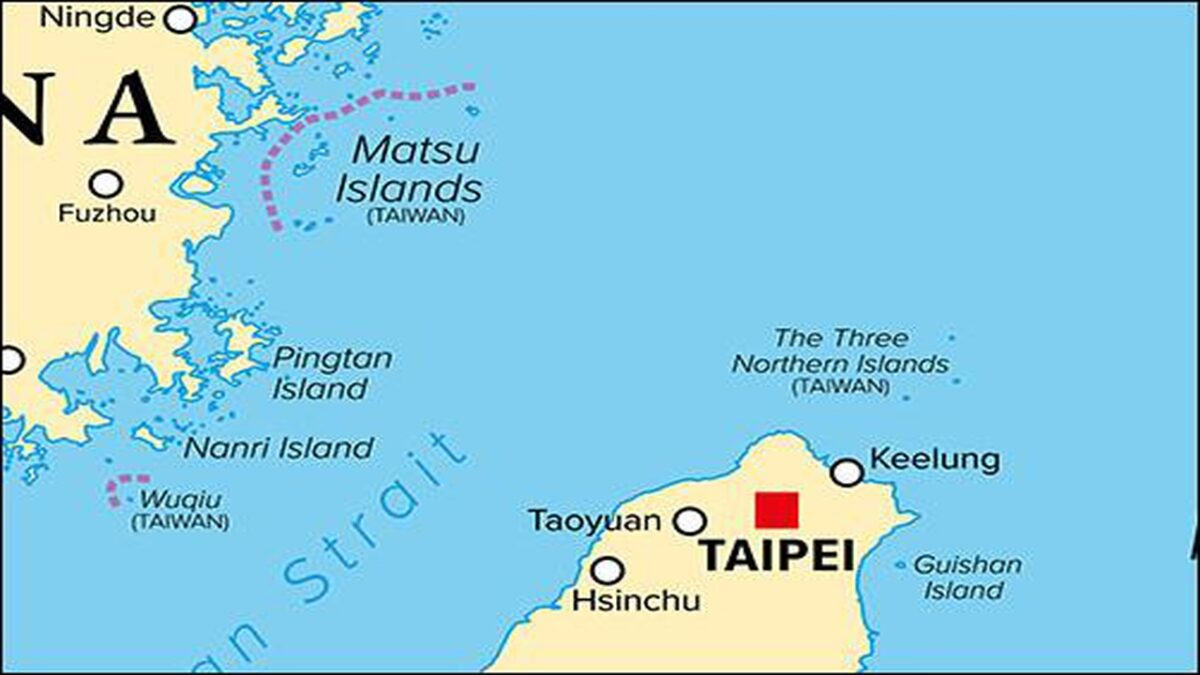
In a significant maritime development stirring national security concerns, Taiwan has publicly accused a Chinese salvage barge of causing extensive damage to a critical subsea cable connecting its strategically important Matsu Islands. This recent incident underscores the precarious nature of undersea infrastructure in a volatile geopolitical region, highlighting Taiwan’s ongoing vigilance against potential threats to its digital lifelines. The alleged act, involving the barge Hai Hong Gong 66, occurred while it was ostensibly engaged in recovering a grounded fishing vessel, yet the timing and circumstances have prompted Taiwanese officials to launch a thorough investigation, raising questions about intentionality and the broader implications for cross-strait relations and global communication networks.
Taiwan’s government views this Matsu Islands cable incident with grave concern, particularly given a history of similar disruptions attributed to Chinese vessels. The incident serves as a stark reminder of the vulnerabilities of critical telecommunications infrastructure and the potential for seemingly innocuous maritime activities to mask or contribute to acts with significant national security ramifications. As investigations proceed, the focus remains on understanding the full scope of the damage, the motivations behind it, and the necessary steps to secure Taiwan’s vital digital arteries against future interference.
The Alleged Damage and Immediate Response
The saga began when the salvage barge Hai Hong Gong 66 was contracted to remove the Chinese fishing vessel Min Lian Yu 63896, which had been abandoned at sea and subsequently drifted aground at Dongyin, one of the tiny island communities within the Matsu archipelago. These islands, strategically positioned less than 30 nautical miles from the Chinese mainland, are frequently at the forefront of encounters between Taiwanese and Chinese authorities, making any incident involving Chinese vessels inherently sensitive. The appointed salvors had reportedly compiled a detailed response plan, which critically included the known locations of subsea cables in the vicinity, suggesting an awareness of the delicate marine environment.
Work commenced on Monday morning, but early the same day, the operator of the subsea telecom cable connecting Dongyin to Beigan reported a partial break in the Taiwan-Matsu Subsea Cable 3 to the Coast Guard. This immediate report triggered a swift reaction from Taiwanese authorities. The Taiwan Coast Guard promptly halted the salvage operation, detaining 11 crewmembers from the Hai Hong Gong 66 and bringing the captain ashore for intensive questioning. Their findings have since been forwarded to the local prosecutor’s office, indicating the seriousness with which this subsea communication disruption is being treated.
While a portion of the telecom line was severed, some connectivity thankfully remains intact, allowing communication services to continue, albeit potentially degraded. Taiwan’s digital affairs agency has quickly moved to contract a specialized cable ship operator to assess and repair the damage, underscoring the urgency of restoring full capacity to this essential link. The promptness of the response highlights the critical reliance on these digital arteries for the daily lives of island residents and for military communications.
Geopolitical Implications and Prior Incidents
This latest Taiwan subsea cable damage incident is not an isolated event but rather fits into a concerning pattern of alleged tampering with Taiwan’s undersea infrastructure. Defense officials in Taiwan have long voiced apprehensions about China’s capability to target critical infrastructure through deniable methods, such as dragging anchors or conducting salvage operations in proximity to known cable routes. Such tactics allow for plausible deniability, making it difficult to definitively prove malicious intent, yet the cumulative effect can be highly disruptive and strategically significant.
Past incidents include two separate breaks to the Matsu Islands’ cables in February of the previous year, which Taiwan also attributed to Chinese fishing vessels and cargo ships. These prior events underscore a worrying trend and amplify the current allegations’ weight. The strategic importance of the Matsu Islands, their close proximity to China, and their role as a potential flashpoint in cross-strait relations mean that any disruption to their connectivity has profound security implications, extending beyond mere inconvenience for residents.
For Taiwan, protecting its critical infrastructure protection – especially vital subsea cables – is paramount to maintaining its sovereignty and resilience against external pressures. These cables are not just for civilian internet access; they are essential for military communications, economic stability, and maintaining social cohesion. The vulnerability of these links in a contested region, therefore, represents a significant national security challenge that Taiwan is actively working to mitigate through vigilance and robust response protocols.
Safeguarding Undersea Connectivity
The global network of undersea cables forms the backbone of the internet, carrying over 95% of international data traffic. Their protection is a matter of international security and economic stability. For island nations like Taiwan, these cables are literal lifelines, connecting them to the global digital economy and providing essential communication channels. The incident near Matsu highlights a broader concern shared by many nations about the security of these vital digital arteries in an era of increasing geopolitical tension.
Governments worldwide are investing more in monitoring these cables and developing contingency plans for repairs and alternative routes. Taiwan, in particular, is exploring ways to diversify its connectivity options and enhance the resilience of its telecom infrastructure. This includes potentially investing in satellite internet solutions or laying additional redundant cables to ensure that no single point of failure can cripple its digital communications.
Effective maritime incident investigation and international cooperation are crucial in addressing such challenges. While the immediate focus is on the current investigation and repair, the long-term solution involves developing robust protocols for vessel operations in proximity to sensitive infrastructure, strengthening legal frameworks to deter such actions, and fostering greater transparency in maritime activities. The international community has a vested interest in ensuring the safety and security of these shared digital highways, free from sabotage or accidental damage.
The Path Forward: Investigation and Resolution
The ongoing investigation by the Taiwan Coast Guard and local prosecutors will be critical in determining the precise cause of the subsea cable damage and whether any negligence or intent was involved. The findings will likely inform future policy decisions regarding maritime security in the Taiwan Strait and interactions with Chinese vessels operating in Taiwan’s claimed waters. Detaining the crew and captain signals Taiwan’s serious commitment to uncovering the truth and holding those responsible accountable.
Beyond the immediate repair efforts, this incident will undoubtedly prompt Taiwan to review and strengthen its existing measures for protecting critical infrastructure. This may involve enhanced surveillance, more stringent regulations for salvage operations near cables, and closer coordination between civilian and military agencies responsible for maritime security. The long-term goal is to build a resilient and secure digital environment capable of withstanding both accidental and deliberate threats.
The Matsu Islands incident is a potent reminder of the complex challenges confronting nations in managing their maritime domains and securing the vital digital arteries that power modern society. As the investigation unfolds and repairs commence, the global community will be watching closely, understanding that the implications of this incident extend far beyond Taiwan’s shores, touching upon issues of international law, national sovereignty, and the future of global connectivity in an increasingly interconnected and contested world. Ensuring the integrity of these undersea networks is paramount for maintaining peace and stability in the region and beyond.