Sweden Releases Shadow Tanker in Oil Pollution Probe | Mariner News
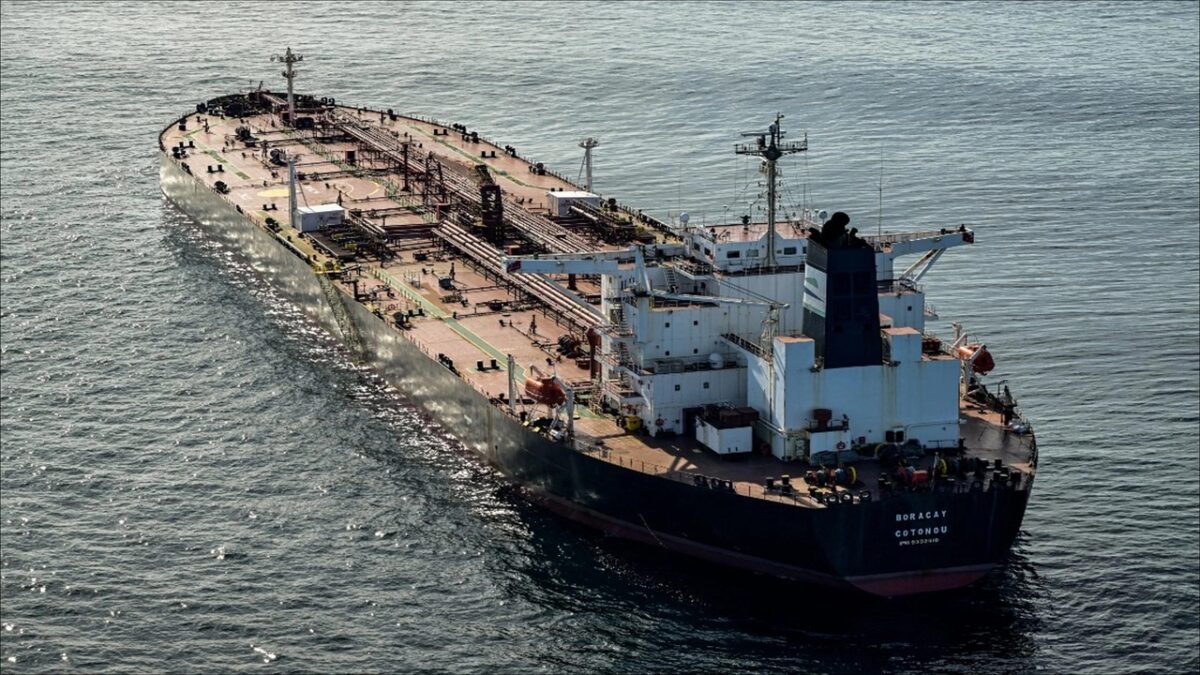
In a significant development for maritime law and environmental enforcement, Sweden has confirmed the release of a shadow tanker, the product tanker Flora 1, previously detained on suspicion of oil pollution. The decision comes after Swedish authorities, including the Coast Guard and police, boarded the vessel but ultimately could not secure sufficient proof to substantiate the alleged environmental violations stemming from an approximately eight-mile-long oil slick spotted in the Swedish Exclusive Economic Zone (EEZ). This incident highlights the growing challenges faced by nations attempting to enforce environmental regulations against the increasingly prevalent and often opaque operations of the ‘dark fleet’ or shadow fleet vessels navigating global waters.
The Initial Incident and Challenging Investigation of Oil Pollution
On April 2, a routine monitoring flight over the Swedish EEZ detected a significant oil slick, immediately triggering an investigation. The shadow tanker Flora 1 was quickly identified as the prime suspect in what appeared to be an oil pollution incident. Authorities directed the vessel to anchor off Ystad, Sweden, where it was subsequently boarded by a joint task force from the Swedish Coast Guard and police. The Coast Guard reported discovering “various uncertainties” during their initial inspection, raising questions about the vessel’s operations and potentially its seaworthiness. This immediate response underscored Sweden’s commitment to protecting its marine environment from illegal discharges.
The investigation into the suspected oil pollution faced immediate hurdles due to the location of the spill. Prosecutors explained that their jurisdiction was significantly constrained by international treaties, as the incident occurred within the EEZ rather than closer to Swedish territorial waters. This geographical distinction is crucial in maritime law, often dictating the extent of a nation’s authority to enforce domestic laws and prosecute environmental crimes. Despite these limitations, Swedish prosecutors had initially filed charges against two crewmembers aboard the Flora 1 on suspicion of violating the Act on Measures to Combat Pollution from Ships, though these individuals were not detained or arrested. The complexities surrounding evidence collection in international waters, combined with the transient nature of maritime operations, made proving the direct link between the tanker and the oil slick a formidable task.
Legal Hurdles and International Maritime Law Enforcement
The decision to release the Flora 1 was largely dictated by the inability of Swedish authorities to definitively prove the environmental violations. While the Swedish Coast Guard remained critical of the lack of clarity surrounding the ship’s flag and registry – a common characteristic of shadow fleet vessels – they acknowledged that there was no legal basis for further investigation or detention once the vessel’s registration was confirmed. This scenario underscores a significant loophole in current international maritime legal frameworks, where proving culpability for oil pollution from ships operating under flags of convenience or within complex ownership structures can be exceedingly difficult.
International maritime law, including treaties like MARPOL, aims to prevent marine pollution. However, the enforcement mechanisms often rely on clear identification of responsible parties and sufficient evidence. In this case, despite a monitoring plane spotting the slick and identifying the suspect vessel, directly linking the discharge to the Flora 1 with irrefutable evidence proved elusive. The challenges encountered by Sweden’s legal system reflect a broader international struggle to hold vessels accountable for environmental damage, especially when they deliberately obscure their operational details. The legal battle highlights the need for more robust international cooperation and updated protocols to address the tactics employed by illicit shipping operations.
The Enigma of Shadow Fleets and Their Environmental Risk
This incident casts a spotlight on the phenomenon of the shadow fleet, also known as the ‘dark fleet’ or ‘ghost fleet.’ These vessels, often older tankers past their prime, operate outside conventional regulatory oversight, frequently using obscure flag registries, complex ownership structures, and deactivated tracking systems to avoid sanctions, scrutiny, and accountability. Their proliferation has been fueled by geopolitical shifts and sanctions, leading to a surge in maritime traffic that poses heightened risks for oil pollution and other environmental damage. The Flora 1, built in 2005, fits the profile of many vessels found within this fleet, raising concerns about its maintenance standards and overall seaworthiness.
The inherent opacity of shadow fleet operations presents a grave threat to marine ecosystems. Without proper oversight, regular inspections, and clear lines of accountability, these vessels are more prone to accidents, equipment failures, and deliberate illegal discharges. The difficulty in tracking ownership and operational history makes it nearly impossible to ensure compliance with international safety and environmental regulations. Consequently, an oil spill from a shadow tanker carries not only immediate environmental devastation but also significant challenges in identifying the polluter and securing reparations. This puts an immense burden on coastal states like Sweden to monitor vast stretches of ocean and quickly respond to potential disasters, often with limited recourse against the responsible parties.
Calls for Greater Scrutiny and Future Implications for Maritime Safety
The release of the Flora 1, despite initial suspicions of a serious environmental violation, underscores the urgent need for enhanced global strategies to monitor and regulate the shadow fleet. Maritime experts and environmental advocates are increasingly calling for greater international cooperation to improve intelligence sharing, track these vessels more effectively, and develop stronger legal frameworks that can penetrate the layers of obfuscation employed by illicit shipping operators. This incident serves as a stark reminder that the current system has vulnerabilities that can be exploited, leaving marine environments at risk.
Going forward, the maritime industry and regulatory bodies must explore innovative solutions. This includes leveraging advanced satellite surveillance technologies, implementing more stringent requirements for flag state verification, and fostering closer collaboration between national coast guards and international organizations. The goal is to close the loopholes that allow shadow tankers to operate with impunity, ensuring that vessels engaged in polluting activities are held accountable, regardless of their flag or ownership structure. The integrity of our oceans and the sustainability of marine life depend on our collective ability to address this growing threat effectively.
In conclusion, while the Flora 1 may have been released, the underlying issues illuminated by this incident persist. The challenges faced by the Swedish Coast Guard and prosecutors in proving oil pollution against a shadow tanker highlight the complex realities of enforcing environmental law in today’s global shipping landscape. It is a powerful reminder that robust international cooperation, improved surveillance, and decisive legal action are critical to safeguard our oceans from the persistent threat of maritime pollution.