Suspicious Incident Near Bulk Carrier Off Abu Dhabi | Mariner News
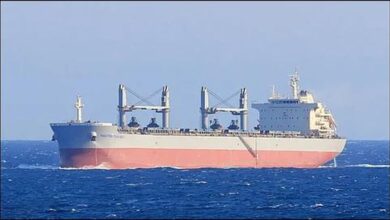
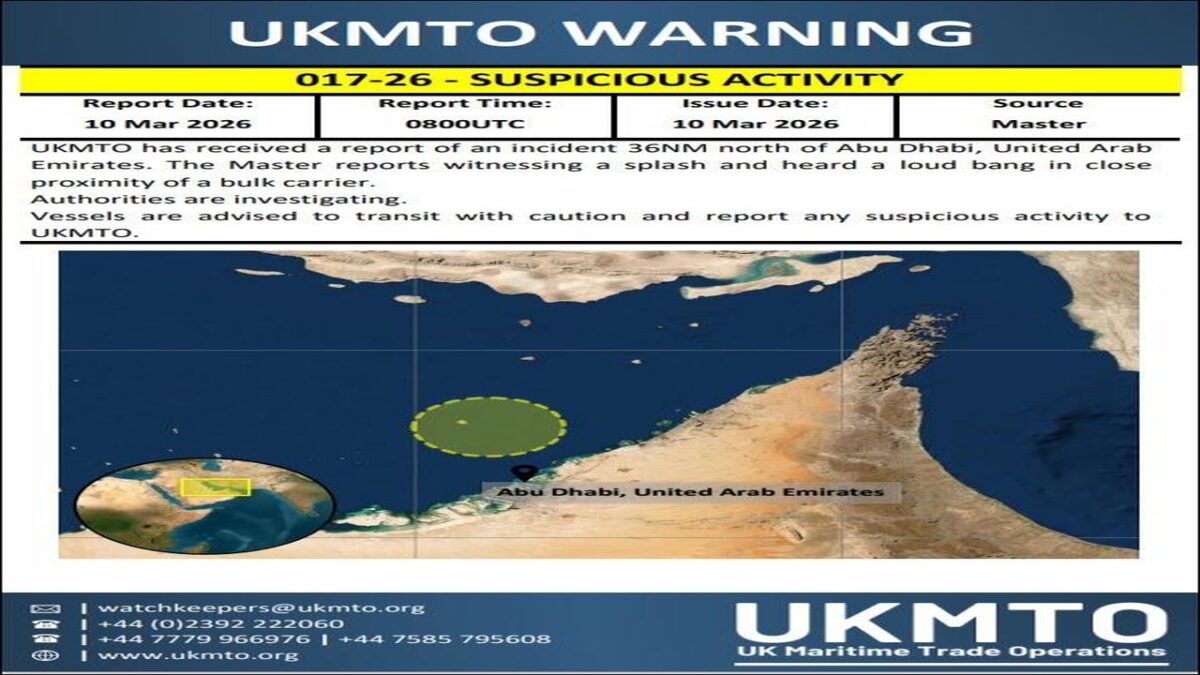
A recent suspicious incident near a bulk carrier off the coast of Abu Dhabi has again cast a spotlight on volatile maritime security in one of the world’s most critical shipping lanes. On Tuesday, March 10, 2026, a bulk carrier 36 nautical miles north of Abu Dhabi reported witnessing a sudden splash and hearing a loud bang in close proximity at 08:00 UTC. This unsettling event, confirmed by the UK Maritime Trade Operations (UKMTO), serves as a stark reminder of risks faced by commercial shipping in the Arabian Gulf amidst heightened regional tensions. Such reports trigger immediate alerts, prompting calls for increased vigilance and understanding of the geopolitical landscape influencing these vital waters.
Decoding the Unsettling Maritime Event Off Abu Dhabi
The details surrounding the maritime incident off Abu Dhabi are unsettling for ship operators and security analysts. The Master of the bulk carrier, crucial for transporting vast quantities of dry goods like grain, coal, and iron ore, reported a distinct ‘splash’ followed by a ‘loud bang’ originating very close to the ship. This proximity event, regardless of origin, immediately raises concerns about the safety of the vessel, crew, and cargo. The precise location – 36 nautical miles north of Abu Dhabi – places the incident within a busy international shipping corridor to and from major UAE ports and beyond.
While the exact nature of the ‘splash and bang’ remains under investigation, reporting through UKMTO highlights established protocols for potential threats in high-risk areas. UKMTO acts as a crucial liaison between military and commercial shipping, providing advisories to help vessels navigate safely. Swift dissemination of this information underscores its perceived seriousness. Any unconfirmed incident can disrupt normal operations, leading to delays and increased operational costs as companies reassess threat levels. Understanding the context of such events is paramount for maintaining safe maritime transit.
Geopolitical Crosscurrents: Strait of Hormuz and Regional Instability
The incident near the bulk carrier cannot be viewed in isolation; it is linked to the broader geopolitical landscape of the Middle East. The region, particularly waters surrounding the Arabian Peninsula, has been a flashpoint for conflicts and tensions. The Strait of Hormuz, a narrow waterway separating Iran from the UAE and Oman, is a critical choke point through which a significant portion of the world’s crude oil and liquefied natural gas passes. Recent reports indicate Iran has been attempting to block transits through this vital strait in response to the worsening Middle East conflict, directly threatening global energy supplies and maritime trade routes.
Such attempts at disrupting freedom of navigation can manifest in various forms, from overt military actions to subtle, ambiguous incidents designed to create uncertainty. The threat to shipping in the Arabian Gulf has far-reaching implications, upending commodity markets worldwide that rely on safe passage. Every perceived threat or actual incident contributes to escalating risk, compelling shipowners and insurers to reconsider operational strategies and potentially increase premiums for vessels transiting these waters. The precarious balance of power in the region directly dictates the level of maritime security commercial vessels can expect.
Enhancing Vessel Safety and Maritime Domain Awareness
In response to persistent threats, international and national entities have bolstered efforts to enhance vessel safety and maritime domain awareness in the region. Organizations like UKMTO play a pivotal role by collecting and disseminating real-time intelligence on potential threats, allowing commercial vessels to make informed decisions about their routes and security posture. This collaborative approach involves navies, coast guards, and commercial shipping companies working in concert to create a clearer picture of activities in the extensive maritime domain, vital for protecting lives and cargo.
Commercial shipping companies operating in the Persian Gulf and its approaches have implemented rigorous security protocols. These often include heightened watchkeeping, enhanced communication with maritime authorities, adherence to recommended transit corridors, and, in some cases, armed security personnel. The goal is to deter potential aggressors and respond effectively to emerging threats. Furthermore, technological advancements in surveillance, such as satellite tracking and drone monitoring, contribute to a more comprehensive understanding of marine traffic and anomalous activities, strengthening the overall shipping lane safety framework. These measures are constantly evaluated to counter evolving threats.
Economic Ripples: Impact on Global Commodity Markets and Trade
The ripple effects of a suspicious incident in a region as economically vital as the Arabian Gulf extend far beyond the immediate location. Bulk carriers are the workhorses of global trade, transporting essential raw materials that fuel industries and feed populations. Any disruption to their safe passage, whether due to a direct attack or an ambiguous incident causing alarm, can trigger significant consequences for global commodity markets. Increased risk perception can lead to higher insurance premiums for vessels, particularly ‘war risk’ coverage, directly increasing operational costs for shipping companies. These costs are often passed down the supply chain, affecting the end consumer.
Furthermore, heightened security concerns can prompt shipowners to re-route vessels, opting for longer, safer, but more expensive journeys around continents to avoid perceived danger zones. Such re-routing adds days, sometimes weeks, to transit times, burning more fuel and delaying critical commodity deliveries. This creates vulnerabilities in already stretched global supply chains, potentially leading to shortages and price volatility for everything from oil and gas to foodstuffs and construction materials. The incident near the bulk carrier underscores how quickly localized security events can translate into global economic challenges, impacting trade flows and the stability of various markets worldwide.
Navigating Future Threats: Strategies for Enduring Maritime Security
Looking ahead, maintaining maritime security in the Arabian Gulf and its surrounding waters will remain a top priority for international bodies, national governments, and the shipping industry. The nature of threats continually evolves, ranging from traditional piracy to state-sponsored harassment, naval exercises, and the increasing use of advanced asymmetric capabilities such as explosive-laden unmanned surface vessels or aerial drones. Therefore, strategies for enduring security must be dynamic and adaptable, incorporating a multi-faceted approach that includes robust intelligence gathering, effective deterrence, and rapid response capabilities.
International cooperation is paramount. Joint naval patrols, combined exercises, and multilateral information-sharing agreements among allied nations are essential for projecting a strong, unified front against those who seek to disrupt freedom of navigation. Investment in advanced surveillance technologies, including satellite imagery and AI-powered anomaly detection, will further enhance the ability to monitor vast ocean spaces and preempt potential threats. For commercial vessels, continuous crew training on security protocols and threat awareness is crucial. The goal is not just to react to incidents but to foster an environment where shipping can operate with confidence, minimizing risks and ensuring uninterrupted global trade.
The suspicious incident reported near the bulk carrier off Abu Dhabi serves as a potent reminder of the fragility of maritime peace in a geopolitically complex region. It highlights the ongoing need for vigilance, robust security measures, and international collaboration to safeguard the vital arteries of global commerce against evolving threats and ensure the continued stability of shipping lanes for all nations.