Sumitomo, K LINE, NYK Line Advance Ammonia Bunkering in Singapore | Mariner News
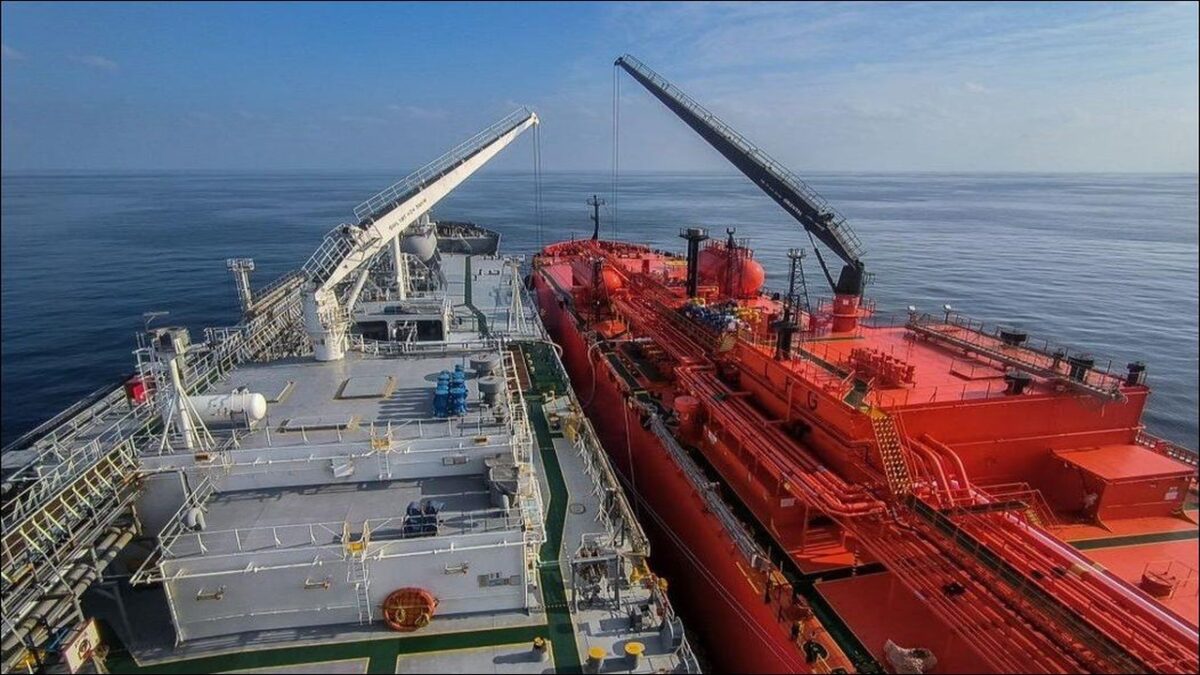
In a significant stride towards accelerating global maritime decarbonization, leading Japanese shipping and trading giants Sumitomo Corporation, Kawasaki Kisen Kaisha, Ltd. (K LINE), and NYK Bulkship Pte. Ltd. (part of NYK Line) have jointly announced the conclusion of a Memorandum of Understanding (MoU). This landmark agreement is set to propel the development and operation of a new-build Ammonia Bunkering Vessel in Singapore, marking a pivotal moment in the global transition to cleaner marine fuels. The collaboration underscores a shared commitment to fostering a robust ammonia supply chain within Singapore, solidifying its emerging position as a crucial global hub for low- or zero-carbon marine fuels. This initiative is not merely about a single vessel; it represents a strategic alignment of industry leaders to engineer a sustainable future for international shipping, addressing the urgent demand for green maritime solutions and reducing the carbon footprint of global trade. The partnership highlights a proactive approach to developing the necessary infrastructure and operational capabilities that will underpin the widespread adoption of ammonia as a viable alternative fuel for vessels worldwide.
Driving Maritime Decarbonization: The Role of Ammonia as a Marine Fuel
The maritime industry faces immense pressure to reduce greenhouse gas emissions, with ambitious targets set by international bodies like the IMO. Ammonia has emerged as a frontrunner among alternative fuels dueishing to its compelling attributes, particularly its potential for zero-carbon emissions at the point of combustion. Unlike conventional fossil fuels, when green ammonia is produced using renewable energy sources, its lifecycle emissions can be drastically reduced, offering a credible pathway to a cleaner future. While challenges such as toxicity, infrastructure development, and efficient engine technology still need to be addressed, the global shipping community is increasingly investing in ammonia’s potential. This investment includes not only the development of ammonia-fueled engines but also the entire value chain, from production and transport to storage and bunkering.
The appeal of ammonia extends beyond its emission profile. It has a relatively high energy density by volume compared to hydrogen, making it more feasible for onboard storage for long voyages, a critical factor for global shipping routes. Furthermore, existing infrastructure for ammonia production and transport, albeit primarily for agricultural and chemical uses, provides a foundation upon which to build the future marine fuel supply chain. This project in Singapore directly addresses one of the most significant hurdles: the safe and efficient delivery of ammonia to vessels. By focusing on a dedicated ammonia bunkering vessel, the partners are not just envisioning a future where ammonia powers ships, but actively building the practical means to make it a reality. This proactive approach by Sumitomo, K LINE, and NYK Line is crucial for accelerating the energy transition, proving the commercial viability and operational safety of ammonia as a marine fuel, and providing confidence to shipowners considering investments in ammonia-ready vessels.
Singapore’s Strategic Vision: A Global Hub for Green Shipping Fuels
Singapore, a powerhouse in global maritime trade and one of the world’s busiest ports, has long championed innovation and sustainability within the shipping sector. This MoU aligns perfectly with Singapore’s national energy transition strategy and its commitment to advancing maritime decarbonization efforts. The initiative is strongly supported by a broader ammonia value chain development program jointly led by the Maritime and Port Authority of Singapore (MPA) and the country’s Energy Market Authority (EMA). This comprehensive approach aims to facilitate the widespread adoption of low- or zero-carbon ammonia for both power generation and marine fuel applications, solidifying Singapore’s ambition to become a leading hub for future-ready green shipping fuels.
Singapore’s strategic geographical location, coupled with its robust bunkering infrastructure and forward-thinking regulatory environment, positions it uniquely to pilot and scale up these innovative solutions. The nation’s commitment is further evidenced by previous appointments, such as the consortium led by Keppel Ltd in October 2025, tasked with conducting the next phase of a project to provide a low- or zero-carbon ammonia solution. These parallel initiatives demonstrate a concerted, multi-faceted effort by the Singaporean government and industry players to build a resilient and sustainable fuel ecosystem. By actively promoting research, development, and commercialization of new fuels, Singapore is not only enhancing its own energy security but also providing a vital testing ground and blueprint for other maritime nations looking to follow suit in the global push for cleaner shipping.
The FEED Study and Future Vessel Operations: Engineering the Next Generation
The initial phase of this collaborative effort involves a comprehensive Front-End Engineering Design (FEED) study. This critical stage is paramount for laying the technical and operational groundwork for the new-build Ammonia Bunkering Vessel. A FEED study delves into the detailed technical specifications, operational procedures, safety protocols, and regulatory compliance required for handling a specialized fuel like ammonia. It involves extensive analysis of vessel design, storage tank configurations, transfer systems, and emergency response mechanisms, all tailored to meet the unique properties and safety considerations of ammonia. The primary objective is to develop a technically sound, economically viable, and environmentally responsible design that can efficiently and safely deliver ammonia fuel to ships in Singaporean waters.
Beyond the FEED study, the collaboration explores the joint ownership of this innovative bunkering vessel. This commitment to shared ownership demonstrates a long-term vision and collective investment in the operational success of the ammonia supply chain. Operating an ammonia bunkering vessel requires highly specialized training for crews, advanced safety systems, and stringent adherence to international maritime regulations. The partners will need to address complex logistics, including sourcing, transportation, and timely delivery of ammonia, ensuring a seamless bunkering experience for client vessels. By integrating robust engineering and operational excellence from the outset, this project aims to set a new benchmark for safe and efficient alternative fuel bunkering, paving the way for broader adoption of sustainable shipping practices across the globe. The experience and lessons learned from this pioneering venture will be invaluable for future developments in the clean marine fuel sector, making it a pivotal project for the global maritime industry.
Industry Impact and Future Outlook: Paving the Way for Sustainable Shipping
This collaboration between Sumitomo Corporation, K LINE, and NYK Line is more than just a business venture; it is a catalyst for transformative change within the global shipping industry. The successful development and operation of an Ammonia Bunkering Vessel in a major maritime hub like Singapore will send a strong signal to shipowners, charterers, and investors worldwide. It validates ammonia as a credible clean marine fuel option and demonstrates that the necessary infrastructure can be safely and effectively deployed. This move is expected to accelerate investment in ammonia-ready vessels and propulsion technologies, encouraging further innovation and fostering a competitive market for low-carbon shipping solutions. The commitment of these industry leaders helps de-risk future investments for other players, fostering a domino effect across the value chain, from fuel producers to engine manufacturers.
Looking ahead, the long-term vision extends beyond Singapore. The blueprint established by this project could be replicated in other strategic bunkering ports globally, creating a network of green shipping corridors powered by ammonia. Such a network would significantly contribute to achieving the IMO’s ambitious decarbonization targets, fostering a truly sustainable global maritime ecosystem. The project will also drive economic benefits, creating new jobs in green technology, engineering, and maritime operations. Moreover, it underscores the critical importance of international collaboration, public-private partnerships, and proactive regulatory frameworks in addressing complex global challenges like climate change. As the maritime sector continues its journey towards a net-zero future, pioneering initiatives like this MoU for ammonia bunkering in Singapore will undoubtedly be remembered as pivotal moments that steered the industry towards a cleaner, more sustainable horizon. This unified effort solidifies the partners’ roles as trailblazers in the vital global maritime energy transition, offering a clear pathway for others to follow.