Suez Canal Shipping Traffic Down Post-Red Sea Attacks | Mariner News
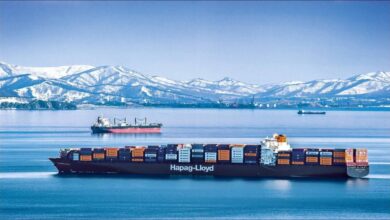
One hundred days after the latest attacks in the Red Sea, Suez Canal shipping traffic remains dramatically lower than 2023 levels. The persistent threat from Houthi militants has compelled numerous container vessels and other commercial ships to reroute, significantly impacting global supply chains and increasing transit times. This strategic waterway, vital for international trade, continues to see reduced activity as maritime operators prioritize crew and cargo safety.
Shifting Global Maritime Routes
The ongoing Red Sea disruptions have forced a massive shift in global maritime traffic, with many ships opting for the longer, more costly journey around the Cape of Good Hope. This rerouting affects freight costs and delivery schedules worldwide, creating ripple effects across various industries. The security concerns in the region continue to pose an immediate challenge to the efficiency of East-West trade routes.
Resilience of Product Tanker Transits
Despite the overall decline, a recent analysis highlights a unique trend: product tankers have shown a greater willingness to transit the Suez Canal. This segment most frequently sailed through the canal in the fourth quarter, signaling a potential divergence in risk assessment or operational necessity compared to container shipping. However, the overall volume still pales in comparison to pre-crisis levels.
The enduring volatility in the Red Sea underscores the fragile nature of maritime security and its profound impact on global trade. Shipping companies remain cautious, indicating that a full return to normal Suez Canal operations is not anticipated in the near future. Industry stakeholders are closely monitoring the situation, hoping for a resolution that can restore stability to this critical shipping lane.