Strait of Hormuz Reopening: 5 Scenarios & Shipping Impact | Mariner News
The Strait of Hormuz, a vital maritime chokepoint connecting the Persian Gulf to the open ocean, is a cornerstone of global energy and trade. Its strategic importance cannot be overstated, as a significant portion of the world’s seaborne oil and liquefied natural gas (LNG) transits its narrow waters daily. Recent geopolitical tensions and security concerns have periodically raised questions about its stability, leading a leading maritime consultancy to outline five distinct scenarios for a potential full reopening of the Strait of Hormuz. These scenarios offer critical insights for governments, energy companies, and the shipping industry, providing frameworks to understand potential futures and plan for the complex interplay of politics, economics, and maritime security.
Understanding the various pathways to a full reopening is paramount for mitigating risks, ensuring supply chain resilience, and maintaining global economic stability. The consultancy’s analysis delves into the intricate factors that could influence the Strait’s operational status, ranging from diplomatic breakthroughs to sustained de-escalation efforts. Each scenario is designed to illuminate different sets of conditions and outcomes, emphasizing the dynamic nature of the region. For maritime operators and logistics planners, grasping these potential trajectories is essential for strategic decision-making, allowing them to adapt to evolving circumstances and safeguard crucial shipping routes through this indispensable gateway.
The Strait of Hormuz: Global Chokepoint for Energy and Trade
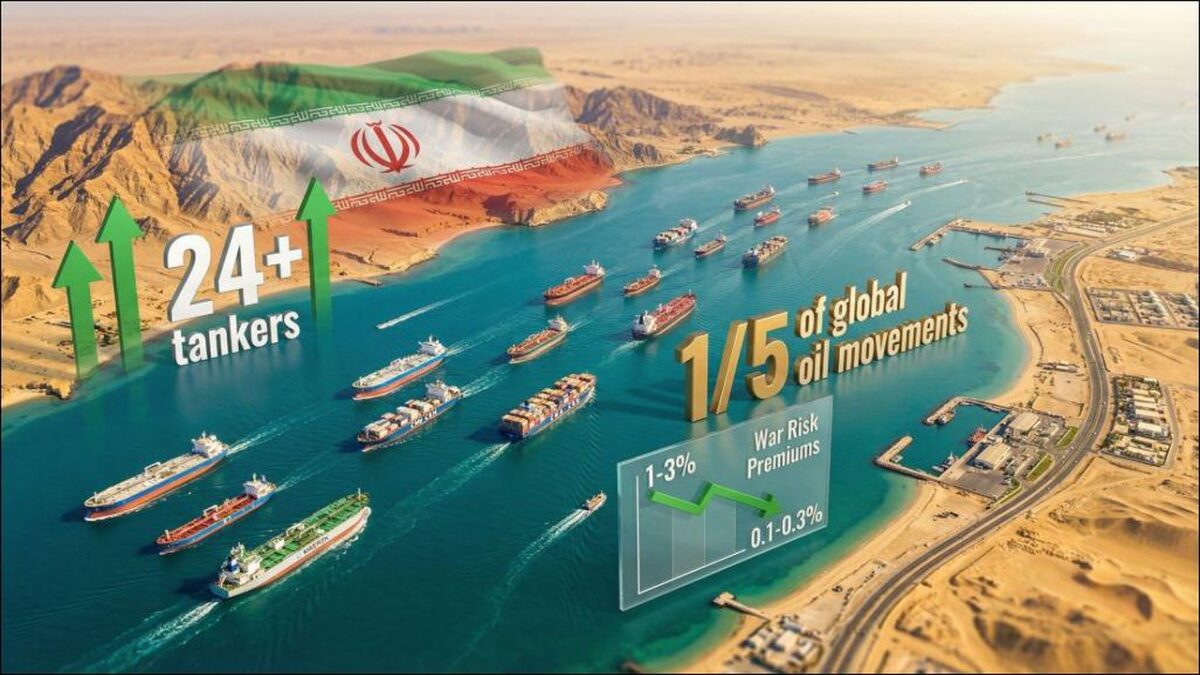
The Strait of Hormuz serves as the world’s most important oil transit chokepoint, with approximately 21% of global petroleum liquids consumption passing through it in 2018. This translates to roughly 21 million barrels per day (b/d) of crude oil, condensates, and refined petroleum products. Beyond oil, a substantial volume of LNG from Qatar, one of the world’s largest LNG exporters, also navigates these waters. The sheer volume of this energy traffic underscores its critical role in global energy security and supply chain stability, impacting fuel prices and availability worldwide.
Its geographical confines—only about 21 miles (33 km) wide at its narrowest point, with the shipping lanes just two miles (3 km) wide in each direction—make it inherently vulnerable to disruptions. Any significant interruption to vessel traffic in the Strait of Hormuz would send shockwaves through international markets, causing oil price spikes and potentially triggering severe economic repercussions globally. This strategic vulnerability necessitates continuous monitoring and strategic foresight from all stakeholders in the global shipping and energy sectors.
Scenario 1: Diplomatic Breakthrough and Immediate Restoration
The first scenario envisions a rapid and comprehensive diplomatic breakthrough, leading to an immediate and full restoration of regular shipping operations through the Strait of Hormuz. This could involve high-level international mediation, perhaps led by major global powers, resulting in a new regional security agreement or a significant de-escalation treaty between key Persian Gulf states. The core idea here is a swift, decisive political solution that addresses underlying tensions and provides robust guarantees for safe passage.
Under this optimistic outlook, confidence in maritime security would return quickly. Insurance premiums for vessels transiting the Strait would likely drop significantly, and shipping companies would resume normal operational planning without factoring in elevated risks. This scenario would minimize economic disruption, allowing tanker traffic and other commercial vessels to flow freely, stabilizing global energy markets and bolstering supply chain reliability. It represents the ideal outcome for the global economy and the shipping industry.
Such a scenario would require substantial political will and concession from multiple parties, possibly including a re-evaluation of regional foreign policies and a commitment to peaceful coexistence. The benefits, however, would be immense, fostering greater economic integration and stability across the Middle East. It would set a precedent for resolving complex geopolitical disputes through dialogue rather than confrontation, ensuring uninterrupted maritime trade through this vital artery.
Scenario 2: Phased De-escalation and Gradual Normalization
Alternatively, a second scenario projects a phased de-escalation, where tensions gradually recede over time, leading to a measured and incremental normalization of operations in the Strait of Hormuz. This approach involves a series of confidence-building measures, such as limited military withdrawals, increased transparency in regional naval activities, or the establishment of joint maritime surveillance initiatives. Each step would build trust, allowing for a gradual easing of restrictions and a slow return to full capacity.
This scenario implies a longer period of uncertainty compared to a diplomatic breakthrough. Shipping companies might initially face higher insurance costs and continue to implement cautious operational procedures, perhaps with increased security details for vessels. However, as each phase of de-escalation proves successful, confidence would steadily grow, leading to a progressive reduction in perceived risk for global shipping and energy transit. This pragmatic pathway acknowledges the deeply entrenched nature of regional rivalries.
The gradual nature of this scenario provides opportunities for learning and adaptation. International bodies and naval forces could play a coordinating role, ensuring adherence to agreements and providing a visible security presence during the transition. While not as immediate as a diplomatic resolution, this steady approach could lead to a more sustainable and robust long-term stability for vessel traffic in the Strait of Hormuz, ultimately benefiting global trade flows and petroleum distribution.
Scenario 3: Enhanced International Security Presence
The third scenario centers on the establishment of a significantly enhanced international security presence within and around the Strait of Hormuz. This could involve a multinational naval task force specifically mandated to ensure the safe passage of commercial vessels, particularly oil and gas tankers. Such a presence would act as a deterrent to any potential aggressors and provide immediate response capabilities to incidents affecting maritime security.
Under this scenario, the full reopening would be facilitated by a robust military umbrella, guaranteeing the security of shipping lanes. While this might lead to increased operational costs due to the need for sustained naval deployments and potentially higher transit fees, it would offer a high degree of assurance for maritime trade. It would directly address security concerns by physical presence, making the Strait of Hormuz a safer transit zone for all vessels, irrespective of lingering regional political disagreements.
However, this approach carries its own set of challenges, including questions of sovereignty, funding for the international force, and the potential for unintended escalation if not managed carefully. Despite these complexities, an enhanced security presence could be a viable path to maintaining open shipping routes if diplomatic solutions remain elusive. It represents a practical, security-focused solution to safeguard critical energy flows and global supply chains.
Scenario 4: Economic Pressure Drives Normalization
Scenario four posits that sustained economic pressure from global markets and regional stakeholders ultimately compels a full reopening of the Strait of Hormuz. The severe economic ramifications of prolonged instability – including soaring oil prices, disrupted supply chains, and significant losses for shipping companies and national economies dependent on oil and gas exports – could force regional powers to prioritize economic stability over geopolitical posturing. This bottom-up pressure would originate from the collective global need for reliable energy supplies and stable trade.
In this context, the cost of continued disruption would become too high for all parties involved, leading to a concerted effort to normalize maritime operations. This could manifest as a series of unilateral or multilateral decisions driven by economic necessity, such as agreements to avoid targeting commercial vessels or opening direct lines of communication for de-confliction. The focus shifts from military posturing to the imperative of financial recovery and sustained revenue from oil and gas exports.
This scenario emphasizes the powerful leverage of economic interdependence. As the global economy, particularly key Asian markets, depends heavily on oil and gas transiting the Persian Gulf, the collective economic pain could serve as a powerful catalyst for change. For the global shipping industry, the return to stability would be a welcome relief, allowing a predictable environment for global trade and significantly reducing the financial burdens associated with high-risk transit zones.
Scenario 5: Conditional Reopening Tied to Broader Regional Agreements
The final scenario suggests a conditional reopening of the Strait of Hormuz, where its full operational status is inextricably linked to broader, more comprehensive regional agreements. This means that the complete normalization of maritime traffic would not occur in isolation but as part of a larger package deal addressing a range of geopolitical issues in the Middle East, such as nuclear proliferation, proxy conflicts, or border disputes.
Such a scenario implies a longer, more arduous negotiation process, as multiple complex issues would need to be resolved concurrently. However, the advantage is that any agreement reached would likely be more durable and holistic, addressing the root causes of instability rather than just the symptoms in the Strait. The full reopening would be a significant concession and a tangible benefit derived from a wider peace settlement, ensuring long-term security for vessel traffic.
While potentially a slower path to normalization, this scenario offers the most profound and lasting stability for global shipping and energy markets. It would create an environment where the Strait of Hormuz is not just open but operates within a framework of broader regional peace and cooperation, significantly reducing the likelihood of future disruptions. For tankers and other commercial vessels, this could mean decades of predictable and secure transit through one of the world’s most critical maritime pathways.
Implications for Global Energy Markets and Shipping
Each of these five scenarios for a full reopening of the Strait of Hormuz carries distinct implications for global energy markets and the broader shipping industry. A swift resolution (Scenario 1) would lead to immediate price stability and a quick reduction in shipping insurance premiums, benefiting consumers and businesses worldwide. Conversely, a prolonged phased approach (Scenario 2) or a security-heavy solution (Scenario 3) would likely maintain higher operational costs for longer, affecting global supply chains and potentially driving up fuel prices.
For tanker operators, understanding these potential futures is not merely an academic exercise; it’s a strategic imperative. The ability to anticipate changes in maritime security, insurance costs, and potential routing adjustments can mean the difference between profitable operations and significant losses. Global shipping companies must remain agile, developing contingency plans that account for a range of outcomes in the Persian Gulf, ensuring they can adapt to fluctuations in vessel traffic and maintain service delivery.
Moreover, the long-term stability offered by economic pressure (Scenario 4) or comprehensive regional agreements (Scenario 5) would foster a more predictable environment for investment in new shipping capacity and energy infrastructure. This would ultimately benefit global trade by reducing uncertainty and encouraging sustainable growth. All stakeholders must closely monitor developments and be prepared to respond to changes in the Strait’s operational status.
Navigating Future Uncertainties in the Persian Gulf
The Strait of Hormuz will remain a focal point of global attention due to its indispensable role in the world’s energy architecture and global shipping networks. The five scenarios outlined by the consultancy provide a valuable framework for navigating the complex geopolitical landscape of the Persian Gulf. Whether through a rapid diplomatic breakthrough, a gradual de-escalation, an enhanced international security presence, economic pressure, or comprehensive regional agreements, the path to a fully open and secure Strait will dictate the health of global energy markets and the fluidity of international trade.
Maritime industry leaders, energy policymakers, and national security strategists must engage in continuous dialogue and collaborative planning to ensure that this vital chokepoint remains accessible for commercial vessels. Proactive measures, including diversified shipping routes where feasible, robust intelligence gathering, and flexible operational strategies, are essential. The ultimate goal is to enhance global supply chain resilience and safeguard the uninterrupted flow of oil and gas, thereby minimizing the impact of potential disruptions on the global economy.
As the world continues to rely heavily on fossil fuels for the foreseeable future, the stability of the Strait of Hormuz is not just a regional issue but a global imperative. The ongoing analysis and strategic planning based on these diverse scenarios will be crucial for managing risks and ensuring sustained, secure passage for the vessels that fuel and sustain the modern world.