Strait of Hormuz Closure: Impact on Global Shipping | Mariner News
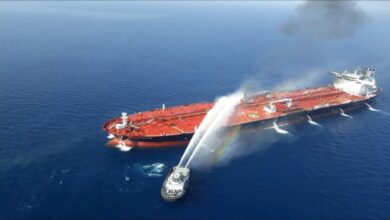
The mere prospect of a Strait of Hormuz closure sends ripples of concern across global markets, highlighting the immense strategic importance of this narrow maritime passage. As a vital artery for international shipping, especially for the global energy trade, any disruption here carries catastrophic implications for supply chains, oil prices, and geopolitical stability. Recent geopolitical tensions in the Middle East serve as stark reminders of the vulnerability of this critical chokepoint, through which a significant portion of the world’s crude oil and liquefied natural gas (LNG) passes daily. Understanding the potential ramifications of such a closure is crucial for governments, energy companies, and the maritime industry alike.
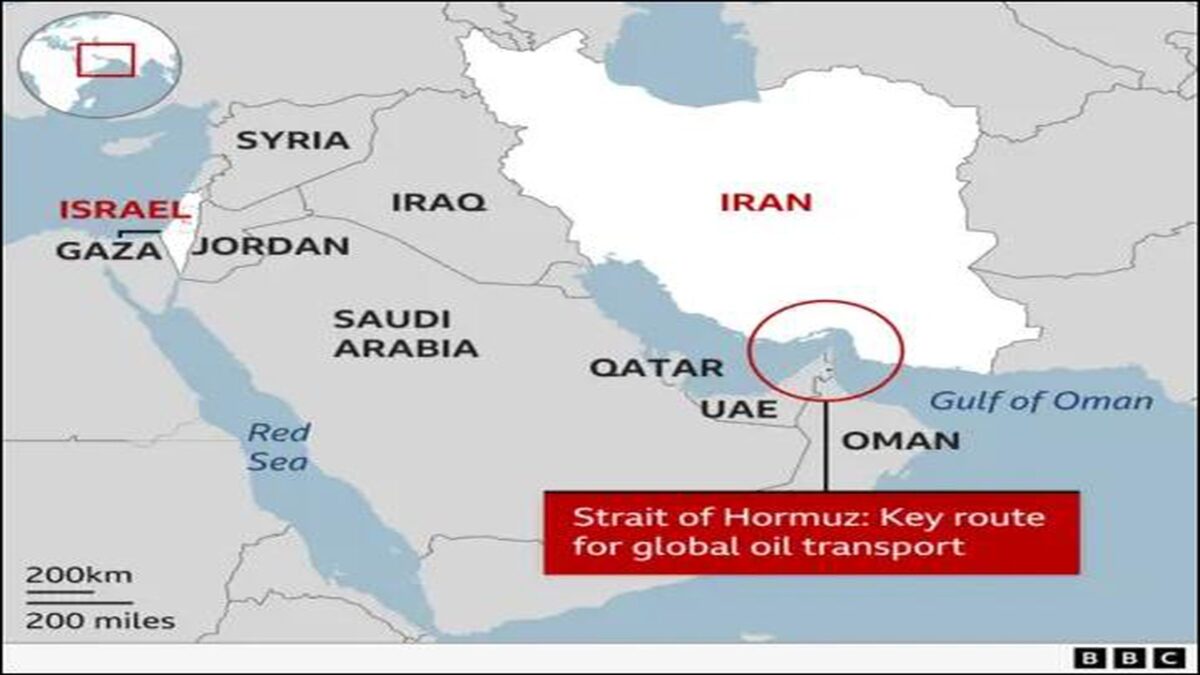
Historically, the Strait of Hormuz has been a flashpoint for regional conflicts, with past incidents illustrating its susceptibility to disruption. The Strait, which connects the Persian Gulf to the Arabian Sea, is strategically located between Oman and Iran. Its narrowest point is just 21 nautical miles wide, yet it is deep enough for large oil tankers to navigate. This unique geographic feature makes it an indispensable conduit for the world’s energy supply. The volume of crude oil and petroleum products transiting the Strait is staggering, accounting for approximately one-fifth of global oil consumption. Furthermore, a substantial portion of the world’s LNG trade also relies on this passage, underscoring its multifaceted importance to global energy security. The intricate web of global commerce and energy distribution is heavily dependent on the free and unimpeded flow of maritime traffic through this strategic waterway.
The Strait of Hormuz: Global Energy Chokepoint Explained
The Strait of Hormuz is unequivocally the world’s most critical energy chokepoint. Its designation stems from the sheer volume of hydrocarbons that transit its waters daily. Roughly 20 million barrels of crude oil and petroleum products, along with considerable volumes of natural gas, traverse this passage, destined for energy-hungry economies in Asia, Europe, and North America. This reliance makes the Strait a linchpin of global energy security. Nations worldwide actively monitor the situation in the Persian Gulf, recognizing that instability in this region directly translates into volatility in global energy markets. The economic stability of many countries is thus inextricably linked to the continued navigability of this vital shipping lane.
Beyond crude oil, the Strait’s significance extends to refined petroleum products and liquefied natural gas (LNG). Countries like Qatar, a major LNG exporter, depend heavily on the Strait for access to international markets. Any cessation of traffic would not only impact crude supplies but also trigger an immediate and drastic shortage of natural gas, affecting industrial operations, power generation, and residential heating across continents. The interconnectedness of global supply chains means that disruption in one area, particularly one as fundamental as energy, has a cascading effect, leading to widespread economic upheaval. The global energy infrastructure is designed with the assumption of open and secure maritime routes, and the Strait of Hormuz is paramount among these.
Economic Fallout: Oil Prices and Global Market Volatility
A Strait of Hormuz closure would trigger an immediate and unprecedented surge in oil prices. Analysts predict that crude oil prices could skyrocket, potentially reaching triple-digit figures within days or even hours of a significant disruption. This dramatic increase would not merely be a temporary spike but could sustain itself for as long as the Strait remains inaccessible, fundamentally altering the global economic landscape. Businesses and consumers worldwide would face sharply elevated fuel costs, leading to inflationary pressures, reduced consumer spending, and a slowdown in economic activity. The ripple effect would be felt across all sectors, from manufacturing and transportation to agriculture and retail, as the cost of energy underpins nearly every aspect of modern commerce.
Beyond the direct impact on energy costs, a closure would severely disrupt global trade and supply chains. Tanker shipping routes would need to be re-evaluated, leading to longer transit times and higher freight costs, even for goods not directly reliant on Persian Gulf oil. Insurance premiums for vessels operating in or near the region would soar, making shipping prohibitively expensive for many carriers. The uncertainty alone would deter investment and trade, leading to a freeze in economic activity in affected regions. Furthermore, the strategic petroleum reserves held by various nations, while substantial, are designed to mitigate short-term supply shocks, not prolonged closures of a major energy chokepoint. Their capacity would be quickly strained under such an extreme scenario, underscoring the severity of the threat.
Geopolitical Instability and Maritime Security Implications
The closure of the Strait of Hormuz is not merely an economic event; it is a profound geopolitical crisis. Such an action would be viewed as a direct threat to international security and the free flow of commerce, likely prompting a robust response from global powers. The presence of naval forces, including those of the U.S. Navy and other international allies, underscores the commitment to maintaining open maritime security in the region. However, any attempt to force the Strait open could escalate into a broader regional conflict, with potentially devastating consequences. The interplay of regional rivalries, international alliances, and domestic political pressures creates a highly volatile environment where miscalculation could lead to widespread military engagement.
Nations heavily dependent on energy imports from the Persian Gulf, particularly in Asia, would face immense pressure to secure alternative supplies or ensure the Strait’s reopening. This could lead to complex diplomatic maneuvers, strategic realignments, and even direct intervention. The long-term implications for maritime security would be profound, potentially ushering in an era of heightened naval patrols, increased militarization of key shipping lanes, and a fundamental reassessment of global energy transit vulnerabilities. The incident would undoubtedly reshape international relations and defense strategies, with nations investing more in diversified energy sources and alternative transportation routes to reduce their reliance on such perilous chokepoints.
Alternative Routes and Contingency Planning for Global Shipping
In the event of a Strait of Hormuz closure, the options for rerouting maritime traffic are severely limited and come with significant drawbacks. The most discussed alternative is the East-West pipeline (Abqaiq-Yanbu oil pipeline) across Saudi Arabia, which can bypass the Strait to some extent. However, its capacity is far less than what transits the Strait, and it serves primarily Saudi crude. Other pipelines exist within the region, such as those in the UAE, but collectively, they cannot compensate for the vast quantities of oil and gas that typically pass through Hormuz. Furthermore, these pipelines themselves are vulnerable to sabotage and political instability, offering only a partial and fragile solution. The fundamental challenge lies in the scale of the energy flow; no single or combination of alternative routes can replicate the capacity and efficiency of the Strait.
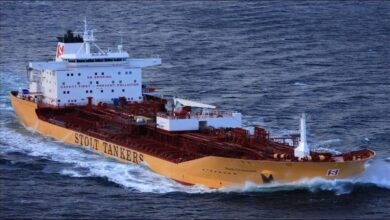
The maritime industry, while always seeking efficiency, has limited flexibility for major rerouting when it comes to the Persian Gulf. Tankers would face significantly longer voyages, especially if forced to bypass the entire Middle East region, adding weeks to transit times and dramatically increasing fuel consumption and operational costs. This would further exacerbate supply chain disruptions and inflate oil prices. Companies and governments engage in contingency planning, including maintaining strategic petroleum reserves and exploring energy diversification. However, these measures are primarily designed for short-to-medium-term disruptions, not for a prolonged closure of such a critical artery. The very nature of a chokepoint means that its closure creates an almost insurmountable logistical challenge for international shipping and energy distribution.
Navigating the Future: Mitigating Risks and Ensuring Maritime Resilience
The recurring threat of a Strait of Hormuz closure underscores the urgent need for enhanced global energy resilience and robust maritime security frameworks. While complete independence from this chokepoint is unrealistic in the short term, nations can adopt strategies to mitigate risk. Investing in renewable energy sources and improving energy efficiency are long-term solutions that reduce overall reliance on fossil fuels, thereby lessening the impact of disruptions to traditional oil and gas routes. Diversifying energy suppliers and fostering strong diplomatic ties with a variety of producing nations also contributes to greater stability in global energy markets. For the tankers industry, this means adapting to a volatile environment, potentially investing in more flexible fleets and exploring advanced navigation and security technologies.
Furthermore, international cooperation is paramount. Multilateral dialogues and joint naval exercises in critical shipping lanes help maintain a visible presence and deter potential aggressors. Establishing clear international protocols for managing maritime disputes and ensuring freedom of navigation are essential for preventing escalation. The maritime insurance sector also plays a critical role, adapting policies and risk assessments to reflect the dynamic geopolitical landscape, albeit often at increased costs. Ultimately, the lessons from potential disruptions to the Strait of Hormuz call for a comprehensive approach that combines diplomatic efforts, military deterrence, technological innovation, and a long-term commitment to a more diversified and sustainable global energy portfolio, ensuring that global supply chains remain as resilient as possible in the face of persistent geopolitical challenges.