Singapore Bunker Market Volatility Pressures Fuel Companies | Mariner News
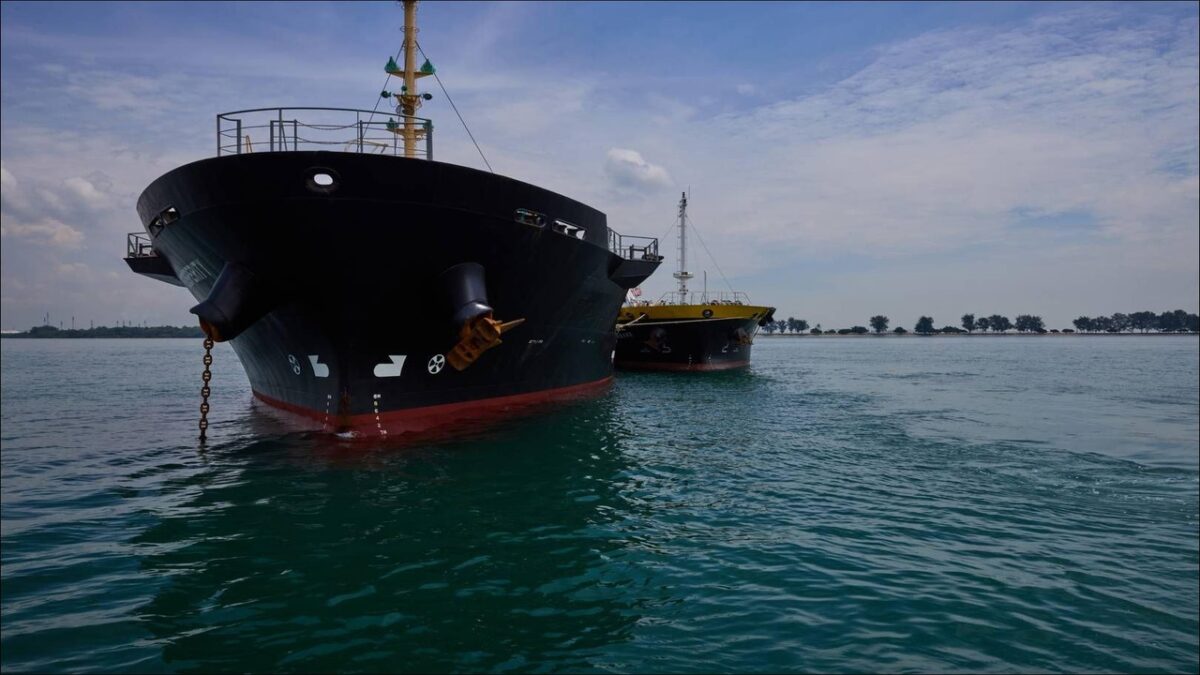
Singapore, a pivotal maritime hub, is currently witnessing its bunker companies grapple with an extremely volatile and uncertain market. As the world’s largest bunkering port, the challenges faced by Singapore fuel suppliers reverberate throughout the global shipping industry. From unpredictable oil price swings to complex geopolitical shifts and evolving environmental regulations, the pressures are mounting, forcing these essential maritime service providers to adapt or risk being swept away by turbulent economic currents. Understanding these market dynamics is crucial for anyone involved in global trade and maritime fuel supply.
Navigating Unprecedented Market Fluctuations
The current market volatility stems from a confluence of global factors. Geopolitical tensions, particularly those impacting major oil-producing regions and crucial shipping lanes, trigger dramatic shifts in crude oil prices. This directly translates into unpredictable costs for bunker fuel, making procurement and pricing a high-stakes gamble for bunker companies in Singapore. Supply chain disruptions, exacerbated by global events, further complicate the logistics of securing and delivering fuel, leading to potential delays and increased operational expenses.
Beyond immediate events, the broader economic landscape plays a significant role. Inflationary pressures, interest rate hikes, and global economic slowdowns affect demand for shipping services, influencing the volume of bunker fuel required. For Singapore bunker suppliers, this means constantly recalibrating their strategies, from hedging positions to inventory management, in an environment where reliable forecasting is increasingly difficult. The inherent lag between purchasing fuel and selling it exposes companies to significant price risk, particularly when market conditions swing wildly within short periods.
Regulatory changes also contribute to the complexity. While IMO 2020 brought a significant shift towards low-sulfur fuels, the ongoing push for decarbonization and the emergence of alternative fuels like LNG, methanol, and ammonia introduce new uncertainties. Bunker companies must manage current fuel types and prepare for future fuel infrastructure and supply chains, often without clear timelines or widespread adoption. This long-term strategic uncertainty adds another layer of pressure to an already challenging short-term operational environment, demanding considerable foresight and capital allocation.
Financial Strain and Operational Hurdles for Singapore Bunker Suppliers
The financial repercussions of this volatile bunker market are profound. Bunker companies operate on thin margins, and sharp price increases necessitate significantly higher working capital to purchase the same volume of fuel. This puts immense strain on liquidity, especially for smaller or less capitalized firms. Credit risk management has become paramount, as fuel suppliers in Singapore face the dual challenge of extending credit to shipowners during periods of financial stress while also managing their own payment obligations to refineries and traders. Defaults or delayed payments from clients can quickly cripple a bunker company’s cash flow.
Operational hurdles are equally daunting. Singapore’s waters are among the busiest in the world, and ensuring the timely and efficient delivery of bunker fuel requires meticulous planning and execution. Port congestion, often exacerbated by unforeseen events or increased vessel calls, can lead to delays in refueling operations. This not only frustrates shipowners but also incurs additional costs for bunker companies, such as demurrage charges or extended vessel waiting times. The availability of skilled labor for bunkering operations, from barge crews to technical staff, is another persistent challenge that can impact service delivery.
Furthermore, compliance with stringent quality and safety standards is non-negotiable in Singapore. Any deviation can lead to severe penalties and reputational damage. Maintaining a high level of operational integrity amidst rapid changes in fuel specifications (e.g., managing different sulfur content blends) and fluctuating market conditions adds another layer of complexity. Singapore bunker companies must invest continuously in training, technology, and robust quality control systems to mitigate risks, all while facing intense price competition. This delicate balance between operational excellence, financial prudence, and market responsiveness defines their daily struggle.
The Strategic Importance of Singapore’s Bunkering Hub
Singapore’s position as the world’s leading bunkering port is not just a title; it’s a critical pillar of global maritime trade. Its strategic location at the crossroads of major shipping lanes, coupled with world-class infrastructure, efficient port services, and a robust regulatory framework, has cemented its status. The ability of Singapore bunker companies to provide reliable and high-quality fuel services is fundamental to the smooth functioning of international supply chains. When these companies face pressure, it can have ripple effects, potentially leading to higher bunkering costs globally, altered shipping routes, and even delays in cargo delivery.
The port’s ecosystem supports a vast network of fuel suppliers, traders, bunker craft operators, and ancillary service providers. This concentrated expertise and infrastructure enable Singapore to handle millions of tonnes of bunker fuel annually. The challenges faced by local companies are therefore not merely domestic issues; they are indicators of broader industry health. Maintaining a competitive and resilient bunkering sector in Singapore is vital for global economic stability, as it directly impacts the operational costs and efficiency of thousands of vessels transporting goods worldwide.
Government support and proactive policies have historically played a crucial role in strengthening Singapore’s bunkering hub. Initiatives aimed at promoting digitalization, enhancing efficiency, and exploring future fuels demonstrate a commitment to sustaining this competitive edge. However, the current period of extreme market volatility tests the limits of even the most established systems. The resilience of Singapore’s bunker market ultimately depends on the collective ability of its companies and supportive regulatory bodies to navigate these turbulent waters effectively, ensuring continued reliability for international shipping.
Adapting to Change: Resilience and Innovation in the Bunker Sector
In response to the intense pressures, many bunker companies in Singapore are actively pursuing strategies to enhance their resilience and adaptability. Diversification is a key theme, with some firms exploring opportunities in alternative fuels, either by investing in the necessary infrastructure or by building expertise in their supply and handling. This forward-looking approach positions them to capture market share as the industry shifts towards decarbonization, even if the transition is gradual and uneven. Companies are increasingly looking beyond traditional fuel oils to offer LNG, biofuels, and eventually ammonia or hydrogen.
Digital transformation is another critical area of focus. Implementing advanced analytics, AI-driven forecasting models, and blockchain technology can help fuel suppliers better predict market movements, optimize logistics, manage inventory more efficiently, and enhance transparency in transactions. Digital platforms for ordering and tracking bunker deliveries not only streamline operations but also improve communication with clients, building trust and efficiency in a high-stress environment. These technological adoptions are essential for maintaining a competitive edge and mitigating risks associated with manual processes.
Furthermore, companies are refining their risk management frameworks. This includes stricter credit assessment policies for clients, exploring innovative financial instruments to hedge against price fluctuations, and optimizing contractual terms to better manage exposure. Collaboration within the industry, such as forming strategic partnerships or joint ventures, can also help distribute risk and leverage combined strengths, particularly in areas requiring significant capital investment like new fuel infrastructure. The emphasis is on building robust internal capabilities while also fostering a collaborative external ecosystem.
Outlook: The Future Landscape for Bunker Operations
The consensus among industry experts is that market volatility will likely persist in the short to medium term. Geopolitical instability, supply chain fragility, and the ongoing energy transition will continue to create an unpredictable environment for bunker companies in Singapore. This necessitates a sustained focus on agile business models, strong financial discipline, and continuous innovation. Companies that can quickly adapt to changing conditions and embrace new technologies will be better positioned to thrive.
Looking further ahead, the long-term trajectory of the bunker market is inextricably linked to the global shipping industry’s decarbonization efforts. The demand for conventional fossil fuels will gradually decline, making way for cleaner alternatives. Singapore fuel suppliers are at the forefront of this transition, with the Maritime and Port Authority of Singapore (MPA) actively promoting the development of multi-fuel bunkering capabilities. This includes pilots for ammonia and methanol bunkering, positioning Singapore as a leader in sustainable maritime solutions.
The future landscape will demand not only operational excellence but also a deep understanding of environmental regulations and technological advancements in propulsion. Bunker companies will evolve beyond mere fuel suppliers to become integrated energy partners for shipowners, offering a portfolio of conventional and alternative fuels, coupled with advisory services on emissions reduction. While the pressures are immense, the innovative spirit and strategic foresight of Singapore bunker companies will be key to navigating these transformative times and ensuring Singapore remains at the vanguard of global bunkering. The continuous evolution of this critical sector underscores its enduring importance to international trade.