Shell Expands LNG Bunkering to Valencia, Spain | Mariner News
Shell’s recent strategic decision to integrate Valencia, Spain, into its expanding Liquefied Natural Gas (LNG) bunkering network marks a significant milestone for the maritime industry, particularly within the bustling Mediterranean region. This expansion not only enhances Shell’s formidable LNG supply capabilities but also underscores the growing global imperative for cleaner marine fuels. The successful completion of the inaugural LNG bunkering operation at the Port of Valencia signifies a pivotal moment, making LNG readily available as a marine fuel in one of Europe’s most critical maritime hubs. For shipowners and operators navigating major shipping routes, this development offers new, more sustainable options for fuel sourcing, aligning with stringent environmental regulations and the broader global energy transition towards decarbonization.
Valencia: A Strategic Hub for LNG Marine Fuel
The Port of Valencia stands as a cornerstone of maritime trade in the Mediterranean, boasting robust connectivity and handling substantial cargo volumes annually. Its inclusion in Shell’s LNG bunkering network is a strategically astute decision, offering unparalleled logistical advantages for vessels traversing this vital economic corridor. The port’s inherent geographical importance along key East-West and North-South shipping lanes makes it an ideal location to bolster the availability of LNG marine fuel, a crucial transitional marine fuel.
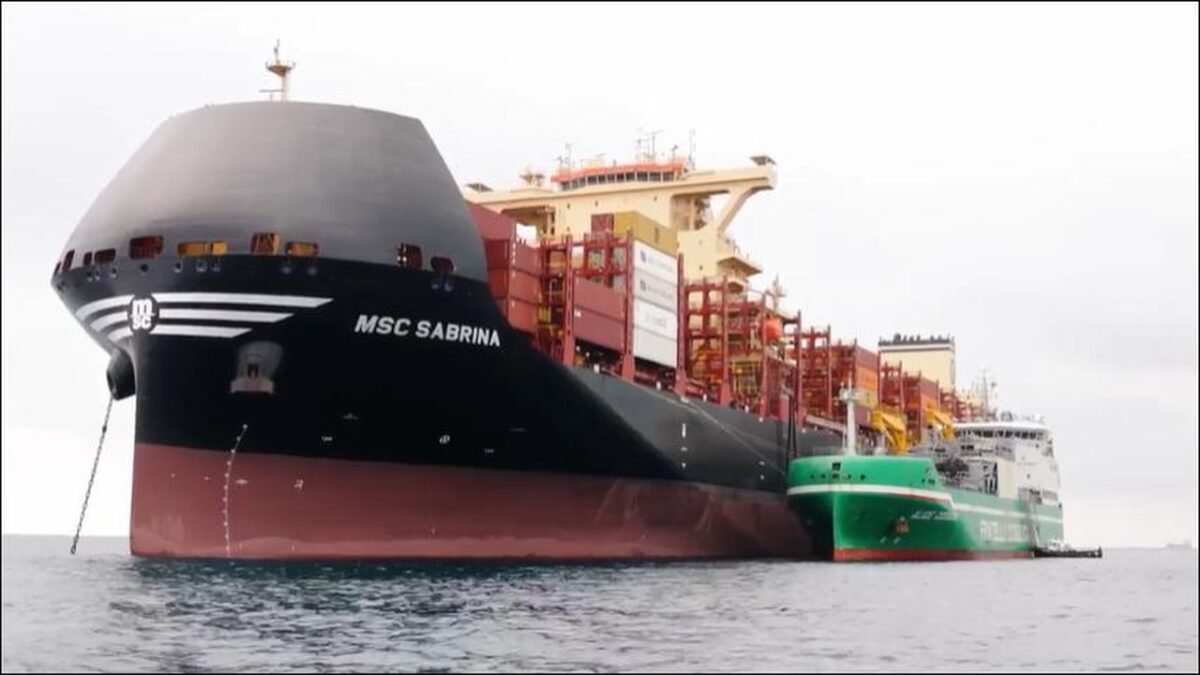
Shell’s inaugural operation at Valencia involved supplying an MSC boxship—a vessel from one of the world’s leading container shipping lines—using a dedicated bunker vessel. This successful execution was a collaborative triumph, made possible through the coordinated efforts of industry giants. Shell specifically credited the integral involvement of MSC Mediterranean Shipping Company, the proactive support from the Port of Valencia authority, and the operational expertise provided by Fratelli Cosulich Group, alongside other key stakeholders.
This synergistic approach highlights the collective commitment within the maritime ecosystem to facilitate the shift towards cleaner energy solutions. By establishing a reliable LNG marine fuel supply point in Valencia, Shell is not merely expanding its network; it is actively contributing to the resilience and environmental sustainability of the Mediterranean shipping lanes, providing tangible benefits for international trade and environmental stewardship.
Shell’s Growing Global LNG Bunkering Network
Shell’s expansion into Valencia is part of a much larger, global strategy to spearhead the widespread adoption of LNG and bio-LNG as cleaner marine fuels. The energy firm has built an impressive and expansive network, currently supplying LNG and bio-LNG across 28 strategic locations worldwide. This extensive reach is supported by a dedicated fleet of 16 sophisticated LNG bunkering vessels, each designed to efficiently and safely deliver fuel to ships.
These specialized vessels are critical to the seamless operation of a global LNG bunkering network, ensuring that shipowners have reliable access to fuel wherever their routes take them. Shell’s commitment extends beyond just infrastructure; it also encompasses a clear vision for the future of marine energy. The company recently highlighted its plans to significantly increase its LNG bunker deliveries in Valencia and other key locations across the Mediterranean.
This forward-looking approach is intrinsically linked to the anticipated expansion of LNG bunkering infrastructure globally. Shell understands that the growth of cleaner marine fuels depends not only on demand but also on a robust and geographically diverse supply chain. Furthermore, Shell has been at the forefront of advocating for the role of LNG in the maritime energy transition, with projections indicating global LNG bunker demand will reach a substantial 27 million metric tonnes by 2035.
The Role of LNG in Maritime Decarbonization
The maritime industry faces immense pressure to reduce its environmental impact and comply with increasingly stringent international regulations, such as those set by the International Maritime Organization (IMO). In this context, LNG marine fuel has emerged as a crucial transitional fuel on the path to decarbonization. Unlike traditional heavy fuel oils, LNG significantly reduces emissions of sulfur oxides (SOx) by virtually 100%, nitrogen oxides (NOx) by up to 85%, and particulate matter by more than 90%.
Furthermore, it offers a reduction in greenhouse gas (GHG) emissions, including carbon dioxide (CO2), by up to 23% on a well-to-wake basis compared to conventional fuels. These substantial environmental benefits make LNG an attractive and immediately actionable solution for shipowners seeking to enhance their fleet’s sustainability performance and meet current and future compliance mandates. The availability of LNG bunkering in strategic locations like Valencia directly supports these efforts, enabling a greater number of vessels to switch to cleaner fuel options without compromising operational efficiency or route flexibility.
For shipowners, investing in LNG-fueled vessels and leveraging the expanding bunkering network translates into not only environmental compliance but also a competitive advantage in a market increasingly valuing green shipping practices. The transition to LNG is a key component of the shipping industry’s long-term strategy to achieve net-zero emissions, acting as a vital bridge fuel while more advanced zero-emission technologies are developed and scaled.
Boosting Maritime Sustainability and Operational Efficiency
The continued expansion of LNG bunkering infrastructure, exemplified by Shell’s latest move in Valencia, is fundamentally enhancing maritime sustainability while simultaneously bolstering operational efficiency for the global shipping fleet. By providing accessible and reliable sources of LNG marine fuel, the industry can collectively achieve significant reductions in atmospheric pollutants, contributing positively to air quality in port areas and along major shipping lanes.
The environmental advantages extend beyond immediate emissions; LNG’s cleaner combustion properties can also lead to reduced engine maintenance and prolonged engine life, translating into operational cost savings for shipowners and operators over the long term. This economic incentive, combined with the environmental imperative, makes LNG an increasingly compelling choice. Furthermore, a robust LNG supply chain and bunkering network are vital for fostering market confidence and encouraging further investment in LNG-fueled vessels.
The presence of comprehensive infrastructure reduces the perceived risk for shipowners considering the transition, thereby accelerating the adoption curve for cleaner fuels. Collaborative efforts, such as those seen in the Valencia operation involving MSC, the Port of Valencia, and Fratelli Cosulich Group, are indispensable for the successful development and scaling of such sophisticated energy supply chains. As Shell continues to expand its LNG bunkering services across the Mediterranean and beyond, it is actively shaping a more sustainable and efficient future for maritime transport, including exploring advancements like bio-LNG for even greater emissions reductions.
Shell’s strategic integration of Valencia into its global LNG bunkering network represents a significant leap forward for the maritime industry’s sustainability agenda, particularly within the crucial Mediterranean region. This expansion not only enhances the availability of cleaner marine fuel for shipowners but also solidifies Shell’s role as a key enabler in the ongoing energy transition of the shipping sector. By providing essential infrastructure and fostering collaborative partnerships, Shell is actively facilitating the industry’s journey towards meeting ambitious decarbonization targets. As global LNG bunker demand continues to rise, such investments are paramount. The Port of Valencia is now firmly positioned as a critical nexus for green shipping, offering a viable and effective solution for vessels seeking to reduce their environmental footprint. The era of cleaner marine fuels is here, and Shell, with its expanding LNG bunkering capabilities, is at the forefront of this transformative change.