SFL scales Orca AI to 44 vessels to standardize fleet safety

SFL Corporation expands Orca AI to 44 ships and newbuilds, signaling a shift toward standardized, shore-monitored navigational safety.
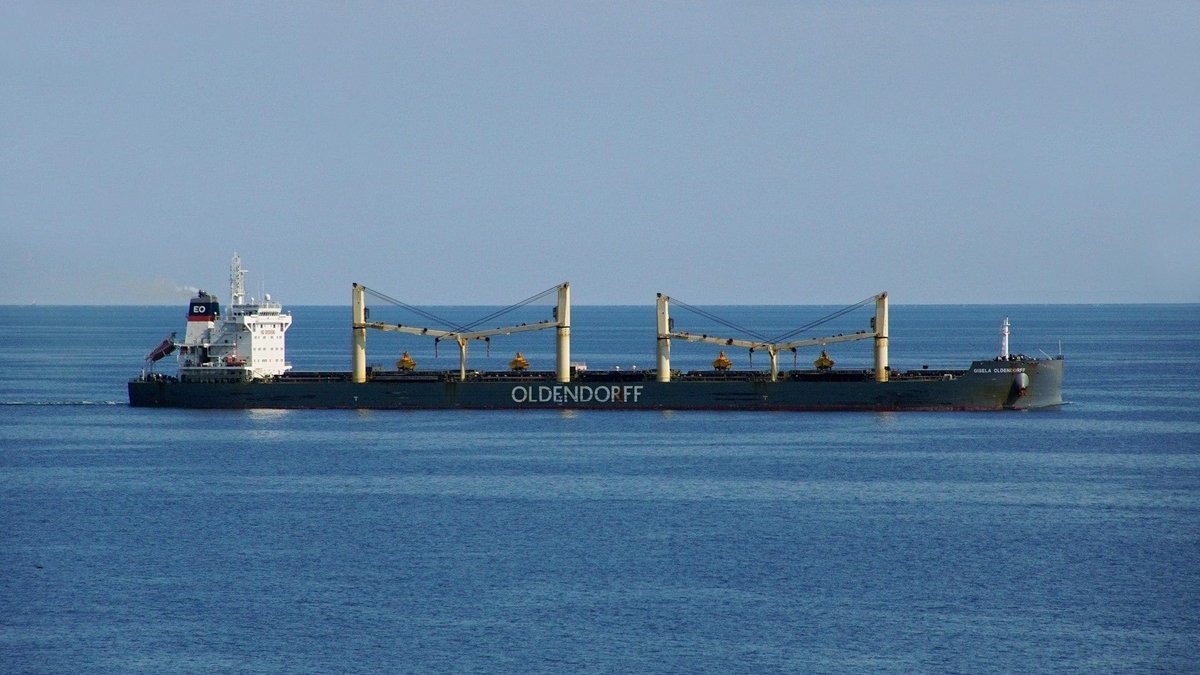
SFL Corporation Ltd is rolling out Orca AI across 44 vessels, moving beyond a pilot phase to make automated navigational monitoring a standard requirement for its fleet and future acquisitions.
The agreement covers SFL’s current portfolio, future newbuilds, and vessels added through sale and purchase (S&P) activities. SFL began working with Orca AI in 2025 through an initial deployment across five vessels. Over the following year, teams across Europe and Asia tested the system in real operations, combining onboard trials with feedback from crews, technical managers, and shore teams.
The technology provides 360-degree visual coverage around the vessel, including areas difficult to monitor from the bridge. This provides bridge teams with an independent visual reference, while shore teams gain consistent evidence of safety events across the fleet. While the system assists in identifying recurring risks, the master and bridge team remain responsible for all navigational decisions.
Trym Otto Sjølie, Chief Operating Officer at SFL, noted that situations over the past few years have demonstrated that bridge teams need better decision-making tools. Orca AI Co-founder and CEO Yarden Gross added that SFL’s decision to invest at this scale sends a strong signal to the wider industry.
Why it matters
SFL is shifting the power dynamic between ship and shore. By providing shore teams with consistent evidence and a 360-degree view, the company is ending the bridge team’s exclusive control over situational data. This transparency allows shore-based managers to identify recurring risks that might otherwise go unreported in traditional logbooks, turning daily operations into fleetwide safety data.
Including future newbuilds and S&P acquisitions in the deal suggests SFL now views AI-assisted navigation as a baseline requirement for its assets. For charterers and insurers, this provides a verifiable layer of risk mitigation. It sets a precedent where a vessel’s safety profile is no longer just about the crew’s experience, but about the automated monitoring systems installed on the hull.
The commercial signal is clear: SFL is betting that fleet-wide standardization will reduce the navigational errors that lead to costly incidents. For the wider industry, this scale of adoption by a major owner moves AI navigation out of the experimental phase and into the realm of competitive necessity for large-scale shipowners and managers.
What to watch
The next trigger is the integration of the system onto SFL’s upcoming newbuilds and how the data gathered from the initial 44 vessels influences the company’s future S&P strategy and insurance negotiations.