

SFL scales Orca AI navigation to 44 vessels across fleet
SFL Corporation moves AI navigation from trial to fleet-wide rollout, connecting bridge data to shore-based safety management for 44 vessels.
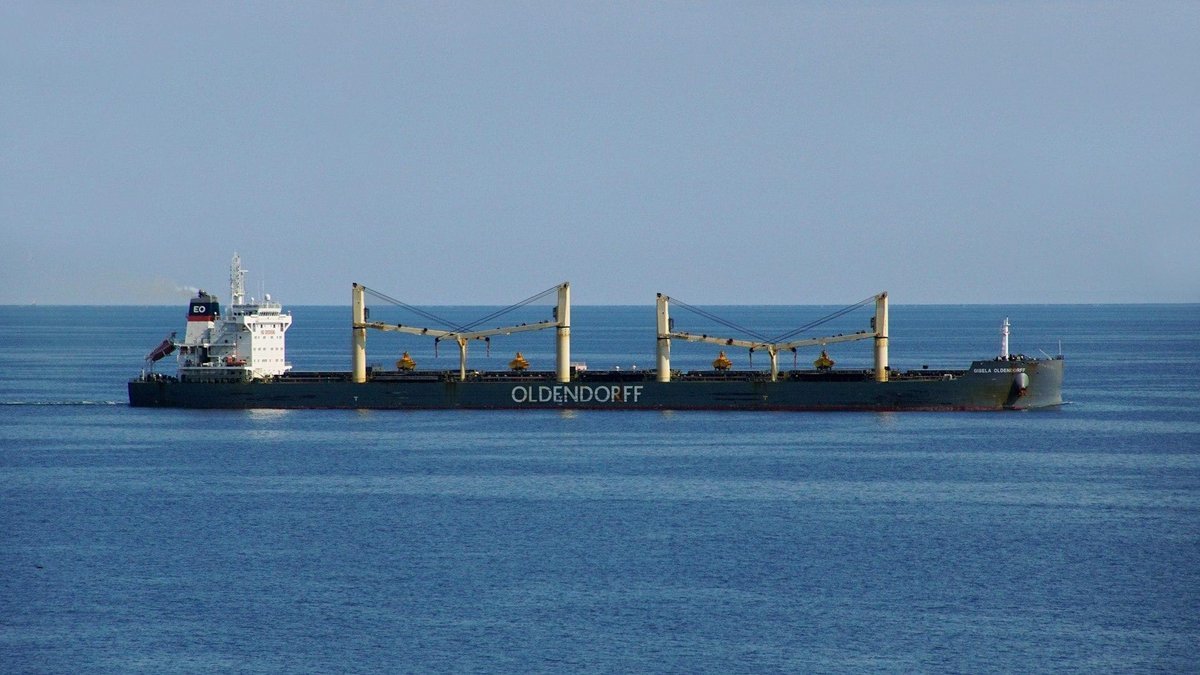
SFL Corporation is scaling Orca AI’s navigation technology to 44 vessels, moving the system from a five-ship trial to a fleet-wide standard for its diversified portfolio. The expansion integrates real-time computer vision with shore-based safety management, signaling a shift toward centralized risk monitoring for the New York-listed owner.
The agreement covers vessels across SFL’s shipping segments, including container ships, car carriers, tankers, bulkers, gas carriers, and offshore energy assets. The rollout also extends to future newbuildings and vessels acquired through sale and purchase transactions. This follows an initial deployment on five vessels in 2025, which SFL tested for a year to gather feedback from crews and shore-based technical managers.
The Orca AI system uses computer vision to provide bridge teams with 360-degree visual coverage, identifying hazards in areas that are difficult to monitor directly. Crucially, the technology transmits navigational data to shore teams, allowing them to review specific events and identify recurring risks across the fleet. While the system provides decision-making tools, SFL confirmed that the master and bridge team retain full responsibility for navigational decisions.
Why it matters
The move by SFL turns AI navigation from a bridge-level aid into a corporate risk-management tool. By connecting onboard data to shore-based teams, SFL is ending the operational isolation of the bridge. Shore teams can now audit navigational performance and identify safety trends across different vessel types, moving the burden of risk monitoring from a single master to a centralized management structure.
The inclusion of the entire SFL portfolio shows that AI-assisted navigation is no longer a niche application for high-value container ships. SFL’s fleet is largely tied to long-term charters, and implementing this technology across bulkers, tankers, and gas carriers suggests that the safety and insurance benefits are now viewed as segment-agnostic. For charterers, this provides an additional layer of verified safety monitoring on the assets they hire.
SFL’s decision to include future newbuildings and sale and purchase acquisitions in the deal indicates that AI integration is becoming a standard part of its technical management package. This suggests that as SFL grows its fleet, the ability to immediately plug new assets into a centralized safety monitoring platform is a priority for maintaining operational consistency across a diverse fleet.
What to watch
The next trigger will be the integration of the system into SFL’s upcoming newbuilding deliveries and how the data collected from these 44 vessels influences the company’s future safety assessments and operational requirements for its technical managers. SFL’s implementation will likely serve as a benchmark for other diversified owners weighing the cost of fleet-wide AI adoption against the benefits of shore-side oversight.
Source: Container News