

SEFE and Trafigura Expand Gas Supply Deal to 150 TWh
Germany’s SEFE scales up gas procurement with Trafigura, securing 150 TWh through 2031 under a state-backed loan guarantee scheme.
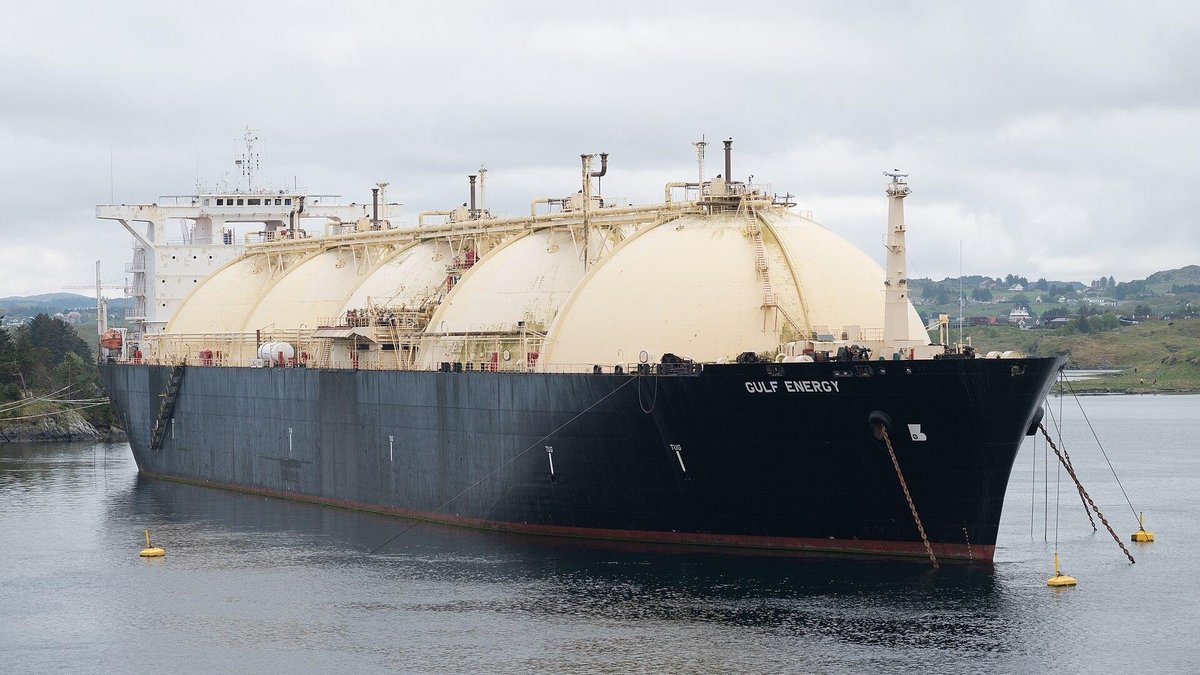
Germany’s Securing Energy for Europe (SEFE) has significantly expanded its long-term gas procurement strategy, signing a 150 TWh supply agreement with Trafigura to bolster European energy security through 2031.
The new contract, which begins November 1, 2026, secures 30 TWh of natural gas annually over a five-year period. This represents a substantial volume increase over the existing four-year agreement, which provided approximately 23 TWh per year and is set to expire in October 2026.
Sovereign Backing and Strategic Sourcing
A critical component of the deal is its qualification for cover under Germany’s United Loan Guarantee Scheme (UFK). By integrating the contract into the German Federal Government’s raw materials strategy, SEFE is effectively utilizing state-backed financial protections against commercial and political risks to ensure the flow of strategically important commodities.
The gas will be sourced from Trafigura’s global portfolio rather than a single fixed asset. For the maritime and LNG carrier markets, this portfolio approach suggests that Trafigura will maintain high operational flexibility in cargo origins, likely requiring a sophisticated mix of chartered tonnage to manage deliveries into European terminals from various global liquefaction hubs.
This flexibility allows SEFE to diversify its procurement beyond specific regional dependencies. The agreement follows SEFE’s recent move to secure its first multi-year Canadian LNG deal, which will draw supplies from the country’s northwest coast once that project becomes operational.
The transition from a 23 TWh to a 30 TWh annual commitment underscores Germany’s shift toward locking in firm, long-term volumes to avoid the volatility of the spot market. As SEFE matures into its role as a state-owned entity, these large-scale, portfolio-backed contracts are becoming the cornerstone of the country’s energy import infrastructure.
Source: Offshore Energy