Scrap Yards Face Challenges Dismantling Shadow Fleet | Mariner News
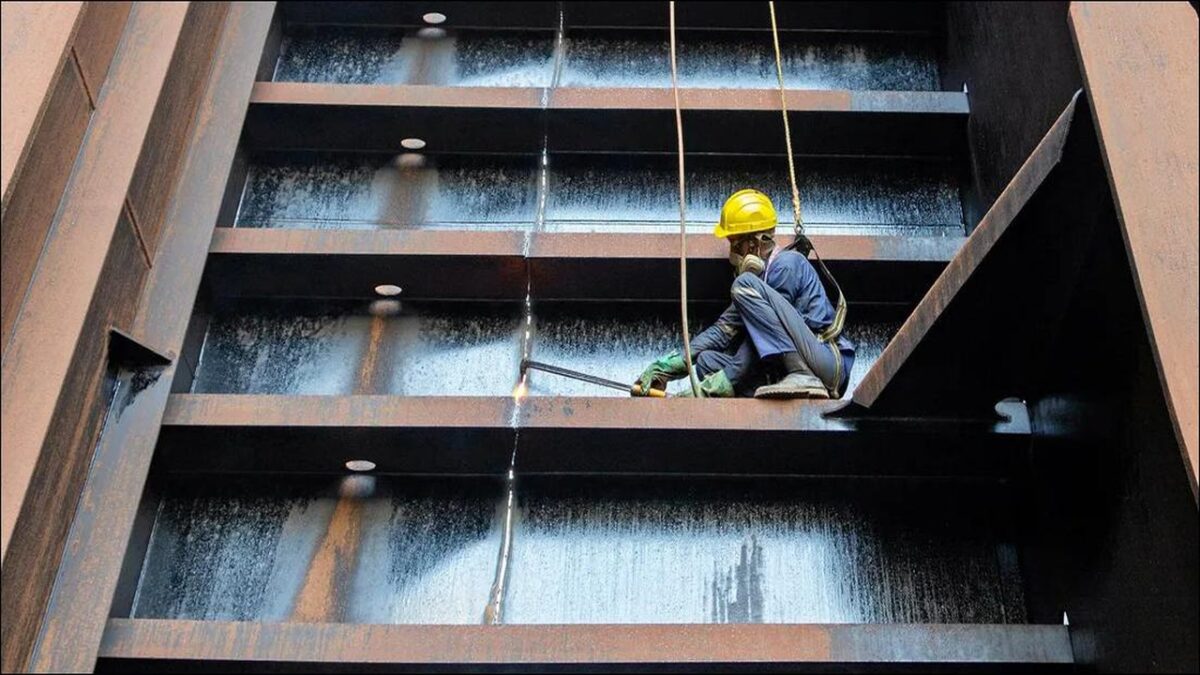
Scrap yards globally face significant apprehension over dismantling the shadow fleet of vessels. These ships, often operating outside conventional maritime regulations, pose unique challenges for recycling facilities. As these older ships reach their end-of-life, their complex decommissioning becomes a critical concern, highlighting major environmental and safety implications for the maritime industry.
Risks in Shadow Fleet Dismantling
A primary worry for shipbreaking operations stems from the unknown history and potential contamination of these illicit vessels. Many shadow fleet ships likely carried dangerous cargo or accumulated hazardous materials like asbestos and heavy fuel without proper documentation. This lack of transparency escalates risks for workers and the environment, making compliant and safe dismantling difficult and costly.
Sustainable Ship Recycling Challenges
Ensuring sustainable ship recycling for the shadow fleet is a monumental task. Many traditional scrap yards lack the infrastructure and oversight to handle such contaminated vessels responsibly. The informal sector, where some might end up, further exacerbates concerns about waste disposal, coastal pollution, and worker safety. This situation demands a global effort to prevent an environmental catastrophe.
Addressing concerns about shadow fleet dismantling requires robust international cooperation, enhanced surveillance, and investment in modern, sound ship recycling facilities. Implementing stricter regulations and supporting green practices are crucial steps to manage these enigmatic vessels responsibly, ensuring a safer, cleaner future for maritime decommissioning.