Scorpio Tankers Sells 3 Vessels for $130M | Mariner News
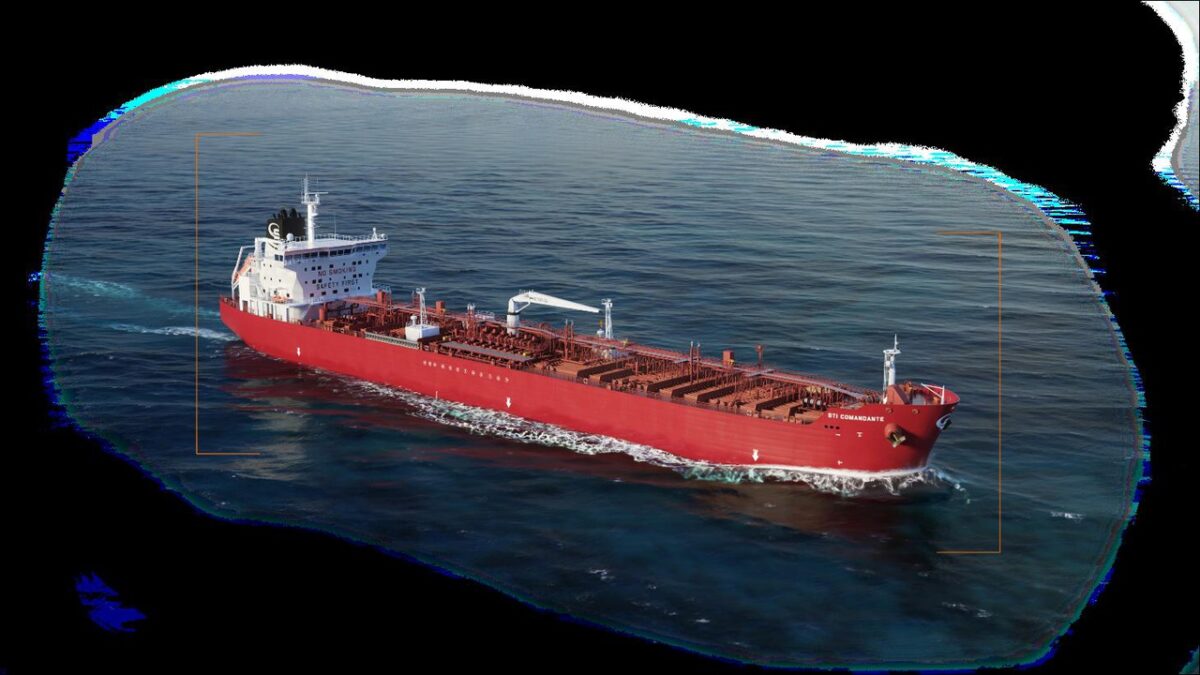
Scorpio Tankers, a prominent player in the maritime industry, has made a significant financial maneuver, announcing the sale of three of its vessels for an aggregate sum of USD 130 million. This strategic divestment marks a notable step for Scorpio Tankers as it continues to optimize its fleet and enhance its financial robustness. The transaction underscores the company’s proactive approach to asset management within the dynamic global shipping landscape, particularly within the product tanker sector where Scorpio Tankers holds a substantial presence. Such a substantial sale of three ships for USD 130 million is not merely a transaction; it represents a carefully calculated decision aimed at securing long-term stability and operational efficiency.
This divestiture is set to inject considerable liquidity into the company’s balance sheet, providing greater flexibility for future strategic initiatives. While the specific names or types of the vessels involved were not immediately detailed, industry analysts speculate they are likely older units within the fleet, consistent with a broader strategy of maintaining a modern and technologically advanced portfolio. The move by Scorpio Tankers aligns with a common industry practice among major shipping lines to periodically refresh their fleets, disposing of older, less fuel-efficient tonnage in favor of newer, more compliant, and economical vessels. This ensures that the company remains competitive in a market increasingly driven by environmental regulations and demands for higher operational performance. The capital acquired from the sale provides Scorpio Tankers with ample resources to either reduce existing debt, finance new environmentally friendly builds, or pursue other investment opportunities that align with its core business objectives.
Strategic Financial Implications of the Vessel Sale
The sale of these three tankers for USD 130 million carries profound financial implications for Scorpio Tankers. Primarily, it will significantly bolster the company’s cash reserves, potentially allowing for accelerated debt repayment. Reducing leverage is a key objective for many shipping companies, particularly in volatile market conditions, as it improves financial resilience and reduces interest expenses. This strategic financial strengthening can also enhance the company’s credit profile, leading to more favorable terms for future financing needs. Furthermore, increased liquidity provides a buffer against unforeseen market downturns and empowers the company to seize opportune investments, whether in new vessel acquisitions, technology upgrades, or other strategic expansions.
From an asset management perspective, the divestment allows Scorpio Tankers to shed vessels that may be approaching the end of their optimal operational lifespan or requiring substantial capital expenditure for maintenance and regulatory compliance. By selling these assets at what is perceived to be a favorable market valuation, the company effectively captures value from its existing fleet before depreciation significantly erodes it. This proactive approach to fleet optimization is critical for maintaining a competitive edge. It reflects a commitment to efficient capital allocation, ensuring that every asset contributes optimally to the company’s profitability and long-term sustainability. The timing of such a sale also indicates a keen understanding of the prevailing market conditions, suggesting that management identified a window where asset values were conducive to achieving a strong return on these vessels.
Understanding the Current Tanker Market Landscape
Scorpio Tankers’ decision to sell three ships for USD 130 million must be viewed within the context of the broader global tanker market. The sector has experienced various cycles of demand and supply, influenced by geopolitical events, global oil consumption patterns, and environmental regulations. Recently, the market for secondhand vessels has shown resilience, with asset values holding firm or even appreciating in certain segments due to limited newbuild capacity and increasing demand for energy transportation. This robust secondhand market likely played a pivotal role in the timing and successful execution of Scorpio Tankers’ asset disposition strategy.
Factors such as the ongoing energy transition, shifts in trade routes, and the implementation of stricter emissions standards (like IMO 2020 and future EEXI/CII regulations) are continually reshaping the tanker industry. These pressures incentivize shipping companies to invest in modern, fuel-efficient, and lower-emission vessels. Consequently, older, less efficient tankers become less attractive, making their timely sale a prudent financial and operational decision. Scorpio Tankers’ move therefore reflects an adaptive strategy to navigate these complex market dynamics, ensuring its fleet remains aligned with future industry requirements. The sale can be seen as capitalizing on current market conditions while preparing for an evolving regulatory and operational environment. It’s a testament to the fact that astute fleet management requires constant evaluation of market trends and asset performance.
Scorpio Tankers’ Fleet Optimization and Future Vision
This latest transaction is a continuation of Scorpio Tankers’ well-documented strategy of dynamic fleet management and capital recycling. The company has a history of actively managing its fleet through a combination of newbuild orders, selective sales, and strategic acquisitions to maintain a modern, diversified portfolio of product tankers. This focus on modernization ensures operational efficiency, reduces fuel consumption, and enhances environmental performance, all critical factors in today’s shipping environment. By divesting these three vessels, Scorpio Tankers is refining its operational footprint, potentially moving towards a fleet that is younger on average, thereby reducing maintenance costs and improving overall reliability.
Looking ahead, the proceeds from this USD 130 million sale could be strategically deployed to fund new investments in cutting-edge vessels equipped with advanced technologies, such as dual-fuel engines or carbon capture readiness. Such investments are crucial for meeting future decarbonization targets and staying ahead of regulatory curves. Scorpio Tankers’ future vision likely includes a commitment to sustainable shipping practices, positioning itself as a leader in environmentally responsible maritime transport. The sale is not just about reducing fleet size, but about enhancing its quality and future-proofing its operations. This forward-looking approach ensures the company remains resilient and profitable in a rapidly changing industry, providing long-term value to its shareholders and stakeholders.
Broader Impact on the Tanker Shipping Sector
While this particular sale by Scorpio Tankers is significant for the company itself, it also contributes to the broader narrative of fleet rationalization and modernization within the tanker shipping sector. Such high-value transactions signal ongoing activity in the secondhand market and reflect the confidence of buyers in the long-term prospects of the tanker industry. As major players like Scorpio Tankers optimize their fleets, it can influence vessel supply dynamics, potentially impacting freight rates and asset values across the sector. The market’s absorption of three vessels for a substantial sum indicates robust demand for quality tonnage, even as the industry grapples with environmental mandates and geopolitical uncertainties.
Furthermore, the capital freed up by such sales can enable companies to invest in technologies that drive the industry towards a more sustainable future. This includes research and development into alternative fuels, energy-saving devices, and digital solutions for operational efficiency. The strategic moves by leading companies like Scorpio Tankers often set precedents and influence the investment decisions of other operators in the segment. Their actions provide valuable insights into market health and future direction. By actively engaging in asset optimization, Scorpio Tankers exemplifies the proactive strategies required to thrive in a capital-intensive and highly regulated industry. This commitment to strategic financial management and fleet modernization reinforces its position as a key force in the global product tanker market, promising continued innovation and adaptability in the years to come.