Scan Global Warns: Global Shipping Bottlenecks to Linger | Mariner News
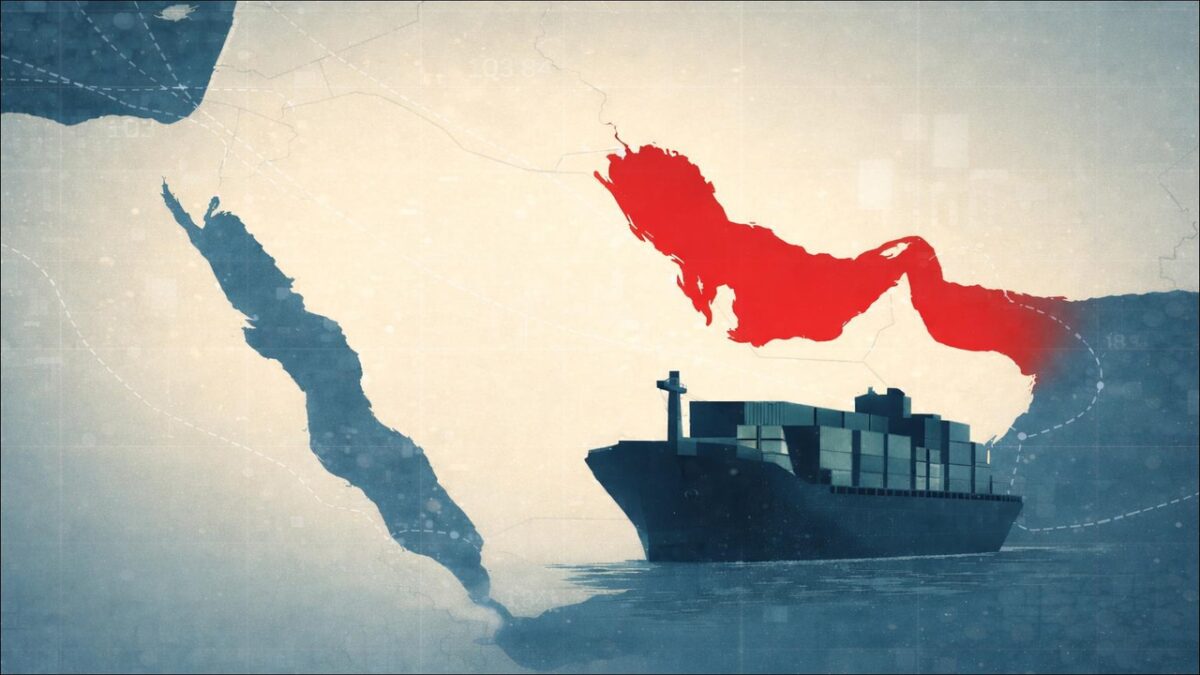
The global shipping landscape is once again grappling with significant challenges, as logistics giant Scan Global Logistics warns that persistent global shipping bottlenecks could extend for many months. The ongoing escalation of hostilities in the Middle East has emerged as a primary catalyst, triggering widespread disruptions across vital maritime trade routes. These geopolitical tensions are not only causing unexpected delays and rerouted voyages but are also instigating a cascade of operational complexities that impact everything from container positioning to the final cost borne by consumers. As shipping lanes in crucial regions become increasingly perilous, the intricate web of global commerce faces unprecedented strain, forcing industry players to adapt rapidly to a volatile environment.
Allan Melgaard, CEO of Scan Global Logistics, a prominent player in the global logistics sector, has voiced significant concerns, anticipating that the war in the Middle East will profoundly affect global supply chains for the foreseeable future. His assessment underscores a grim reality: the efficient movement of goods, once largely predictable, is now subject to the whims of geopolitical turmoil. The ripple effect of these disruptions is far-reaching, manifesting in everything from increased war surcharges passed on to customers to a fundamental imbalance in the distribution of essential shipping assets like containers. Businesses and consumers alike are feeling the squeeze, as the cost and reliability of international freight continue to fluctuate dramatically.
Geopolitical Tensions Fueling Maritime Disruptions
The current surge in global shipping bottlenecks is largely attributable to the escalating conflict in the Middle East. This volatile situation has necessitated significant route diversions, particularly impacting traffic through the Red Sea and Suez Canal, a critical artery for maritime transport connecting Asia and Europe. Vessels are now forced to navigate longer, more expensive routes around the Cape of Good Hope, adding weeks to transit times and significantly increasing fuel consumption and operational costs. These extended voyages reduce the effective capacity of the global container fleet, as ships are tied up for longer periods, exacerbating existing supply chain disruptions.
Beyond rerouting, the increased security risks in certain maritime zones have led to the imposition of additional war surcharges by carriers. These charges are inevitably passed on through the logistics chain, ultimately burdening importers, exporters, and end consumers. Such surcharges, while necessary for mitigating operational risks for shipping lines, contribute to the inflationary pressures on goods and services, making international trade more costly and less predictable. The complex interplay of security concerns and commercial imperatives creates a challenging environment for all stakeholders in the global logistics network.
Another critical consequence is the widespread misplacement of ships and containers. When vessels are forced to alter their schedules and routes unpredictably, the carefully choreographed ballet of global container shipping collapses. Containers designed to be unloaded at one port might arrive weeks late or be diverted to an entirely different hub, creating a severe imbalance. Ports experience increased congestion as unexpected arrivals overwhelm their capacities, while other ports face acute shortages of empty containers needed for outbound cargo. This inefficient positioning of essential assets creates significant delays and drives up the cost of repositioning containers, further entrenching the global shipping bottlenecks.
The Economic Toll of Prolonged Bottlenecks
The ongoing global shipping bottlenecks are exacting a heavy economic toll on businesses worldwide. Companies are facing soaring freight rates, driven by reduced capacity, longer transit times, and additional surcharges. This directly impacts their profit margins and often necessitates price adjustments for consumers. Small and medium-sized enterprises (SMEs), in particular, are vulnerable, as they often lack the leverage or financial reserves of larger corporations to absorb these escalating costs or negotiate favorable terms with carriers. The unpredictability of delivery schedules also complicates inventory management, leading to either costly overstocking or disruptive stockouts.
Consumers, too, are directly affected by the ripple effects of these maritime challenges. Increased shipping costs translate into higher retail prices for a vast array of imported goods, from electronics and apparel to foodstuffs and raw materials. This contributes to broader inflationary pressures, eroding purchasing power and potentially slowing economic growth. The supply chain disruptions also lead to product shortages and reduced availability, limiting consumer choices and impacting overall satisfaction. The interconnectedness of global trade means that a problem in one part of the world rapidly transmits its impact to distant markets.
The volatility in global freight rates and shipping reliability also deters long-term investment and planning. Businesses become hesitant to commit to expansion plans or new product launches when the cost and timeline for transporting goods remain uncertain. This can stifle innovation and economic development. The necessity for urgent, short-term solutions often overshadows strategic long-term initiatives, hindering progress towards more resilient and sustainable supply chain models. The current climate demands extraordinary adaptability and robust risk management strategies from all participants in the global economy.
Scan Global Logistics Navigating Uncharted Waters
For major logistics providers like Scan Global Logistics, navigating these complex and evolving global shipping bottlenecks presents an unprecedented operational challenge. Their core business relies on efficient and predictable cargo movement, which is currently in short supply. The need to constantly re-evaluate routes, renegotiate contracts, and find alternative solutions for their clients demands immense flexibility and robust logistical infrastructure. This includes leveraging extensive global networks, advanced tracking systems, and a deep understanding of geopolitical dynamics to anticipate potential disruptions and minimize their impact.
Scan Global Logistics, along with other freight forwarders, must absorb a significant portion of the increased operational burden. This involves not only managing the financial impact of higher costs but also dedicating substantial resources to communication with clients, providing real-time updates, and devising contingency plans. The logistical complexity of repositioning containers, securing scarce vessel space, and coordinating multiple modes of transport (sea, air, land) under shifting conditions tests the limits of their operational efficiency and adaptability. Maintaining customer satisfaction amidst widespread delays and rising costs is a delicate balancing act.
Furthermore, the current environment necessitates a proactive approach to risk management. This involves closely monitoring geopolitical developments, assessing their potential impact on specific trade lanes, and building diversified transport strategies. Scan Global Logistics is likely investing heavily in data analytics and predictive modeling to anticipate bottlenecks and optimize resource allocation. Their role as an intermediary between shippers and carriers becomes even more crucial during times of crisis, as they bridge information gaps and facilitate solutions in a highly fragmented and dynamic market.
Building Resilience in Global Supply Chains
In response to the persistent global shipping bottlenecks, businesses are increasingly focusing on building greater resilience into their supply chain strategies. This involves moving away from the purely cost-driven ‘just-in-time’ models that prioritize efficiency above all else, towards more diversified and robust ‘just-in-case’ approaches. Diversification might include utilizing multiple suppliers from different geographic regions, exploring alternative shipping routes, or incorporating a mix of transportation modes to reduce dependency on any single point of failure. The goal is to create a supply chain that can bend, but not break, under pressure.
Technological adoption plays a crucial role in enhancing supply chain resilience. Advanced analytics, artificial intelligence, and blockchain technology can provide greater visibility into the movement of goods, enable more accurate forecasting of demand and potential disruptions, and streamline documentation processes. Real-time tracking and predictive tools empower businesses to react more quickly to unforeseen events, reroute shipments, and adjust inventory levels dynamically. Investing in these digital capabilities is no longer a luxury but a necessity for maintaining competitive advantage in a volatile global trade environment.
Furthermore, fostering strong, collaborative relationships with logistics partners, suppliers, and carriers is paramount. Open communication and mutual understanding can help mitigate the impact of disruptions, as partners work together to find solutions rather than assigning blame. This might involve sharing risk, pooling resources, or developing joint contingency plans. Forging these deeper partnerships creates a more robust ecosystem, where information flows freely, and responses to global shipping bottlenecks are coordinated and effective. Prioritizing transparency and trust can transform challenges into opportunities for strengthening the entire logistics network.
The Future Outlook for Maritime Transport
The immediate outlook for global shipping bottlenecks suggests a prolonged period of instability, with the Middle East conflict remaining a key determinant. Even if hostilities were to de-escalate, the ripple effects on container positioning, port congestion, and freight rates would likely persist for several months as the system recalibrates. The shipping industry operates on long lead times, and it takes considerable effort and time to restore equilibrium once it has been disrupted. Therefore, businesses should prepare for continued volatility throughout the year and possibly beyond, requiring ongoing vigilance and strategic adaptation.
Longer term, these recurring disruptions might accelerate fundamental shifts in global trade patterns and supply chain design. There could be a renewed push towards regionalization or ‘nearshoring,’ where production and sourcing are brought closer to consumer markets to reduce reliance on extended maritime routes. While not a complete overhaul, such shifts could reduce the overall volume of long-haul container shipping and lessen exposure to distant geopolitical risks. This move would require significant investment in local manufacturing capabilities and infrastructure, but the resilience benefits could outweigh the initial costs.
Innovation in vessel technology and port operations will also be critical. Developing more fuel-efficient ships, optimizing port turnaround times through automation, and enhancing digital connectivity across the logistics chain can help absorb some of the shocks from future disruptions. The maritime industry’s commitment to sustainability, for instance, might also be impacted, as diversions and slower steaming due to congestion could increase emissions. However, the drive for efficiency inherently aligns with environmental goals, suggesting that technological advancements could address both operational resilience and ecological responsibility in the evolving landscape of global maritime transport.
In conclusion, the warning from Scan Global Logistics about the enduring nature of global shipping bottlenecks due to the Middle East conflict serves as a critical alert for the entire international trade community. The cumulative effects of rerouted vessels, war surcharges, and misplaced containers are creating a protracted period of high freight rates and unreliable delivery schedules. Businesses must proactively implement robust supply chain resilience strategies, embrace technological advancements, and foster strong partnerships to navigate this complex environment.
The era of predictable, cost-optimized global logistics is temporarily on hold, replaced by a landscape demanding agility, adaptability, and a strategic embrace of uncertainty. While the challenges are significant, they also spur innovation and the development of more robust and sustainable global supply chain models for the future.