Salalah Port Drone Crash: Shipping Security Concerns | Mariner News
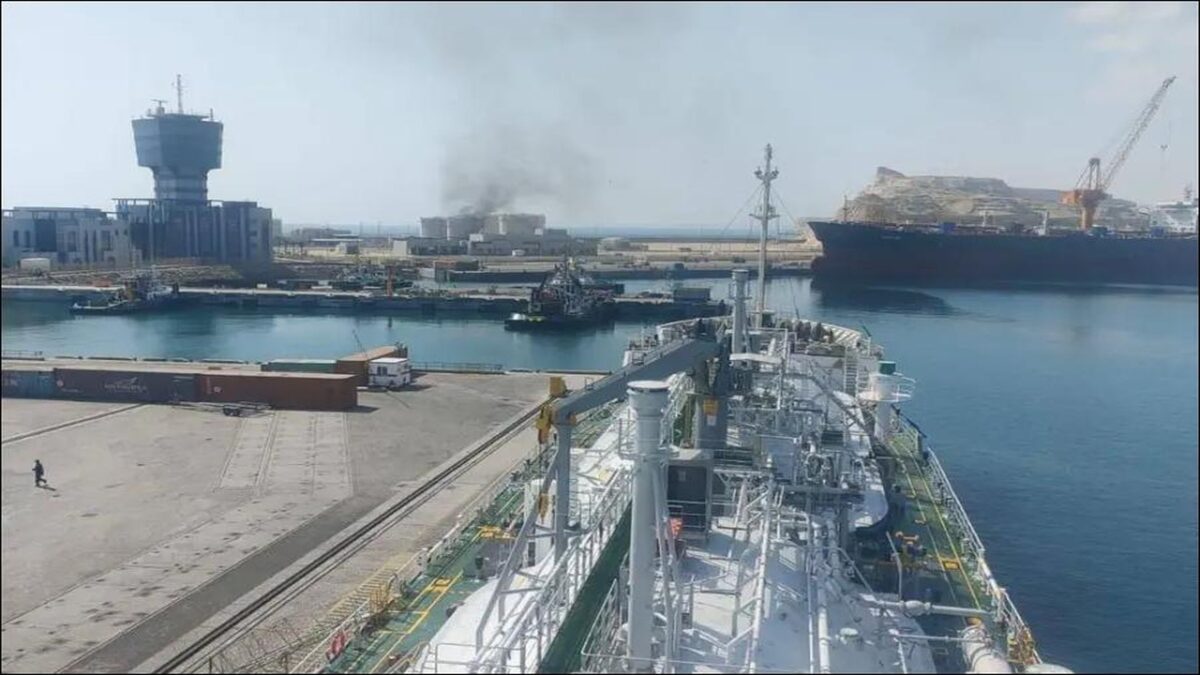
The tranquil waters off Oman’s strategic Salalah Port were disrupted recently by a significant security event, as a drone crash incident reported at Salalah Port brought into sharp focus the escalating threats facing maritime operations in the broader Gulf region. While initial reports indicate no casualties or material damage, the very occurrence of such an incident at a vital shipping hub underscores profound implications for port security, global trade routes, and the intricate network of international shipping that relies on stability in this volatile region. This incident serves as a stark reminder of the ongoing geopolitical tensions that increasingly spill over into the commercial maritime domain, necessitating heightened vigilance and robust security protocols from all stakeholders.
Salalah Port, a critical gateway for global container traffic, bulk cargo, and bunker operations, plays an indispensable role in regional and international commerce. An event of this nature, even without immediate severe consequences, sends ripples of concern throughout the maritime industry, affecting everything from insurance premiums to logistical planning. The incident, involving the interception of two drones and the crash of a third, adds to a growing list of security challenges that demand immediate and sustained attention. Understanding the specifics of this event, its broader context, and the necessary responses is crucial for maintaining the integrity and safety of maritime trade.
Escalating Maritime Tensions in the Gulf Region
The drone crash incident at Salalah Port is not an isolated event but rather a symptom of a much larger, more complex geopolitical landscape marked by heightened tensions across the Gulf region. Reports from state-backed Oman News Agency (ONA) confirmed the interception of two drones and the crash of a third near the port, though authorities quickly reassured that there was no immediate impact on port operations. However, this incident closely followed another reported drone attack at the Port of Duqm in Oman, where a bunker terminal was reportedly targeted. These events collectively paint a troubling picture of an increasingly militarized maritime environment.
Analysts point to the broader regional dynamics, particularly Iran’s intensified strikes on oil and strategic infrastructure in neighboring Gulf countries. These actions are often framed as responses to perceived US and Israeli attacks, leading to a dangerous cycle of escalation. Tehran has explicitly launched drone and missile attacks against states in the region that host US military bases, further exacerbating instability. The strategic importance of Omani ports, situated at the mouth of the Strait of Hormuz, makes them particularly vulnerable to such actions, turning commercial arteries into potential flashpoints.
This pattern of attacks poses significant challenges to regional stability and international shipping. The threat of unmanned aerial vehicles (UAVs) introduces a new layer of complexity to maritime security, requiring sophisticated countermeasures and real-time intelligence sharing. For the shipping industry, these developments translate into increased operational risks, potential delays, and the urgent need for enhanced protective measures, impacting global supply chains reliant on these vital maritime corridors.
Details of the Salalah Port Drone Incident
The specifics of the Salalah Port incident provided by the Oman News Agency and corroborated by local sources offer critical insights. On Tuesday, a drone reportedly crashed in the vicinity of Salalah Port, following the successful interception of two other drones mid-air. The ONA report, while confirming the events, was quick to reassure the public and international stakeholders that no casualties or material damage were recorded as a result of the incident. A local source, speaking to Ship & Bunker, further confirmed that authorities had asserted there was no impact on the port due’ to the incident, suggesting minimal immediate disruption to its busy operations.
This rapid assessment from Omani authorities is crucial for maintaining confidence in the port’s capabilities and its role in global shipping. The ability to intercept two drones before they reached their intended target highlights a degree of preparedness, although the third drone crashing near the port still underscores a potential vulnerability that needs addressing. The location of the crash near the port, even if not directly on its infrastructure, creates an area of concern for ongoing safety and security assessments. Such close proximity necessitates a thorough investigation to ascertain the drone’s origin, intended target, and capabilities.
The swift communication regarding ‘no casualties or material damage’ helps mitigate immediate panic within the shipping community. However, the presence of these aerial threats, regardless of their immediate impact, represents a significant shift in the operational risk assessment for vessels navigating through and docking at Salalah. This information will undoubtedly influence security advisories, insurance premiums, and the overall perception of safety in Omani waters, emphasizing the need for robust defense mechanisms against evolving aerial threats.
Implications for Port Operations and Maritime Trade
The drone crash incident at Salalah Port carries significant implications for port operations and the broader maritime trade ecosystem, even in the absence of physical damage. While immediate reports indicate no direct impact on the port, the psychological and operational ramifications are undeniable. Vessel operators, logistics companies, and cargo owners become more cautious, potentially re-evaluating routes, schedules, and the ports they choose to frequent. This increased caution can lead to higher operational costs, longer transit times, and potential disruptions to global supply chains that rely on the efficiency and predictability of major ports like Salalah.
For bunker operations, a critical service provided at Salalah and other regional ports, the implications are particularly acute. The earlier attack on a bunker terminal at Duqm Port serves as a stark reminder of the vulnerability of energy infrastructure. Any perceived threat to these facilities can lead to supply chain jitters, affecting fuel availability, pricing, and the overall stability of marine fuel markets. Shipping companies might face challenges in securing fuel, or encounter higher premiums for insurance coverage in areas deemed high-risk, directly impacting their profitability and operational continuity.
Furthermore, the incident might prompt stricter security measures at the port, including enhanced surveillance, drone detection systems, and access controls. While necessary, such measures can sometimes lead to increased waiting times and administrative hurdles for vessels, impacting port turnaround times and overall efficiency. The long-term impact hinges on the frequency and severity of future incidents, as sustained threats could fundamentally alter shipping patterns and investment in the region, compelling the industry to adapt to a new paradigm of enhanced vigilance and security expenditure.
Enhancing Maritime Security Measures
In the wake of the drone crash incident at Salalah Port, enhancing maritime security measures becomes an imperative for all stakeholders. Ports, shipping companies, and national authorities must collaborate to implement advanced security protocols that address the evolving nature of aerial threats. This includes investing in sophisticated drone detection and neutralization systems, which can identify, track, and potentially disable unauthorized UAVs before they pose a threat. Radar systems, acoustic sensors, and electromagnetic countermeasures are becoming essential components of a comprehensive port security framework.
Beyond technological solutions, proactive intelligence gathering and sharing are paramount. Regional cooperation among Gulf states, international maritime organizations, and intelligence agencies is crucial for understanding the intent and capabilities of potential aggressors. Sharing real-time threat intelligence allows for anticipatory measures, enabling ports and vessels to adjust their security posture and mitigate risks effectively. Establishing robust communication channels for rapid response and coordinated action during incidents is also vital for containing potential damage and ensuring the safety of personnel and assets.
Training and readiness drills for port security personnel and vessel crews are equally important. Equipping staff with the knowledge and skills to identify suspicious activities, respond to drone threats, and implement emergency procedures can significantly enhance overall resilience. The implementation of internationally recognized best practices for maritime security, such as those outlined by the International Maritime Organization (IMO) and other bodies, provides a strong foundation for building an impenetrable defense against various threats, including sophisticated drone attacks. This holistic approach combining technology, intelligence, and human preparedness is key to safeguarding vital maritime infrastructure.
The Broader Economic Ripple Effect on Shipping
The drone crash incident at Salalah Port, while contained, carries the potential for a significant broader economic ripple effect on the global shipping industry. Any perceived instability in critical maritime choke points or major ports in the Gulf region can lead to immediate reactions in global markets. One direct consequence is the likely increase in insurance premiums for vessels operating in the region. War risk insurance surcharges, already a concern for shipping lines, could see further escalation, directly impacting the operational costs for carriers and indirectly raising freight rates for consumers worldwide.
Moreover, the incident can influence shipping routes and patterns. If the perceived risk escalates, some shipping companies might opt for longer, alternative routes to avoid the Gulf, even if it means increased fuel consumption and longer transit times. Such rerouting would have a cascading effect on global supply chains, causing delays, higher transportation costs, and potential disruptions to the timely delivery of goods. Given Oman’s strategic position as a bridge between East and West, any enduring instability could significantly alter established trade arteries, impacting major economies reliant on these efficient maritime corridors.
Investor confidence in maritime infrastructure projects within the region could also be affected. Long-term investment in port expansions, logistics hubs, and energy terminals requires an environment of predictability and security. Frequent security incidents could deter foreign direct investment, hindering economic development and job creation. Thus, the incident at Salalah, even with no immediate material damage, serves as a crucial reminder that maritime security is inextricably linked to global economic stability and the smooth functioning of international trade, demanding concerted efforts from the international community to safeguard these vital lifelines.
In conclusion, the drone crash incident reported at Salalah Port serves as a potent reminder of the complex and evolving security challenges confronting the maritime industry in the Gulf. While Omani authorities have swiftly managed the immediate aftermath, emphasizing no casualties or material damage, the underlying geopolitical tensions that fuel such incidents remain a profound concern. This event, alongside the earlier attack at Duqm, underscores the critical need for enhanced security measures, robust intelligence sharing, and concerted international cooperation to protect vital maritime infrastructure and ensure the unimpeded flow of global trade. The shipping industry must remain vigilant, adaptable, and proactive in adopting advanced safeguards to navigate these turbulent waters and safeguard the future of maritime commerce.