

Saildrone Wins Court Challenge Over US Navy MUSV Procurement
A US court has overturned the Navy's exclusion of Saildrone from a $2.1 billion unmanned vessel program, setting a major legal precedent.
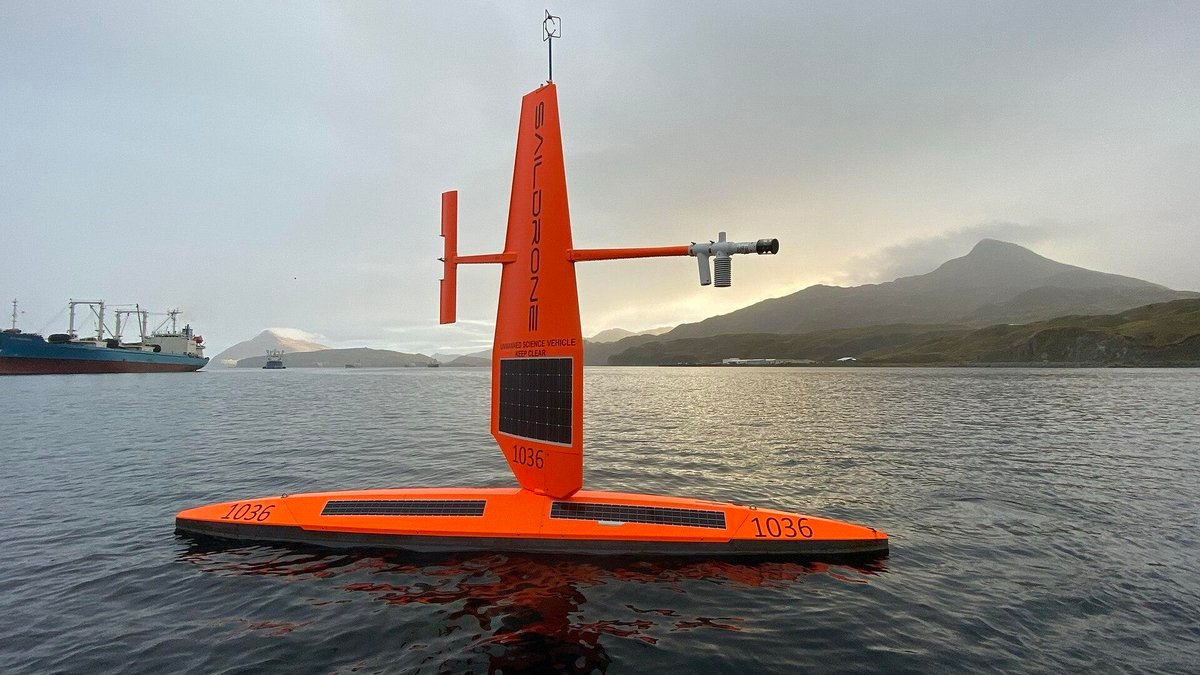
Saildrone has successfully challenged the U.S. Navy’s procurement process for its Medium Unmanned Surface Vessel (MUSV) program, with a federal judge ruling that the service acted arbitrarily in excluding the company from competition.
The ruling by Judge Philip S. Hadji of the U.S. Court of Federal Claims halts the Navy from committing more than $1.5 billion of the program’s $2.1 billion budget to production until Saildrone’s proposal is reevaluated. The court found that the Navy engaged in disparate treatment and acted in an arbitrary and capricious manner when it deemed Saildrone’s entry non-compliant across its evaluation criteria.
Judicial Oversight of Fast-Track Procurement
The decision carries implications far beyond the immediate MUSV contract. It addresses the Pentagon’s increasing reliance on Other Transaction (OT) authorities, a procurement vehicle designed to speed up the acquisition of new technologies by bypassing certain traditional federal acquisition regulations.
The government argued that the court lacked the jurisdiction to hear challenges to OT prototype competitions. By rejecting this claim, the court has established that these high-value fast-track programs are not beyond judicial review, provided they are sufficiently connected to ultimate procurement goals. This provides a critical legal pathway for maritime technology firms to challenge the fairness of selection processes that now steer billions of dollars in defense spending.
The Navy’s MUSV program has faced scrutiny for its complexity, with previous reports describing the selection process as disorganized. In September, the Navy awarded initial orders for 10 vessels each to Galliano Marine Services, HII, and Saronic Technologies. The court has now ordered the Navy to promptly reevaluate Saildrone’s proposal using the same criteria applied to these successful bidders.
While Saildrone secured a rare victory for a small contractor, the court denied a similar protest from Blue Water Autonomy, finding the Navy’s evaluation of that company’s proposal was reasonable. Saildrone CEO Richard Jenkins stated the company is now focused on returning to the development of maritime autonomy for the fleet following the litigation.
Source: The Maritime Executive