Russian Oil Tanker Struck by Drone in Black Sea | Mariner News
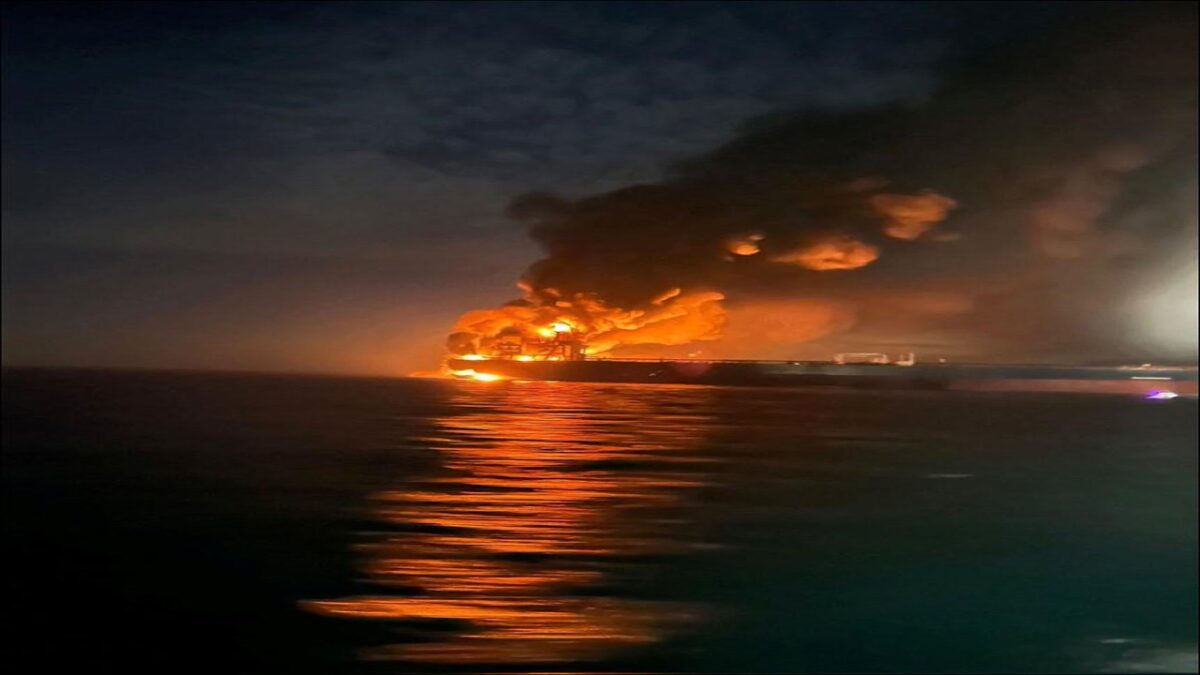
The tranquility of the crucial Black Sea maritime corridor was shattered recently when a tanker carrying Russian oil was reportedly struck by a drone in international waters near the Bosphorus Strait. This alarming maritime incident immediately ignited concerns across global energy markets and heightened anxieties about shipping safety in an already volatile region. The drone attack on a commercial vessel underscores the escalating risks faced by oil transport and commercial shipping lanes amidst ongoing geopolitical tensions. This event is not just an isolated incident but a stark reminder of the fragile security environment impacting vital trade routes and the global supply chain for crude oil. As investigations unfold, the implications for Black Sea shipping, energy security, and international relations are becoming increasingly clear, prompting discussions on the future of maritime security in this critical gateway.
The Incident Unfolds: A Detailed Account of the Attack
The exact circumstances surrounding the drone strike on the Russian oil tanker remain under investigation, but initial reports indicate the vessel, identified as carrying crude oil, sustained damage after being targeted in the Black Sea. The proximity of the attack to the Bosphorus Strait, a narrow and strategically vital waterway linking the Black Sea to the Mediterranean, amplifies the seriousness of the event. While the extent of the damage to the oil tanker was not immediately catastrophic, preventing a major environmental disaster, the psychological impact on shipping operators and crews navigating these treacherous waters is significant. This targeted maritime attack represents a dangerous escalation, pushing the boundaries of conventional warfare into critical commercial arteries.
The incident has sparked urgent calls for heightened vigilance and protective measures for vessels transiting the region. Naval authorities and maritime security experts are closely monitoring the situation, acknowledging the potential for similar drone incidents to recur. The choice of target, an oil tanker facilitating Russian oil exports, suggests a clear intent to disrupt economic lifelines and exert pressure within the ongoing conflict. This particular shipping incident has brought the issue of unmanned aerial vehicle (UAV) attacks against commercial maritime targets into sharp focus, demanding a re-evaluation of current security protocols for energy transport.
Escalating Risks in Black Sea Shipping Lanes
The Black Sea has long been a significant arena for international trade and geopolitical maneuvering, acting as a crucial conduit for oil and gas transport, grain, and other commodities. The Bosphorus Strait and the Dardanelles form the only sea passage between the Black Sea and the Mediterranean, making them chokepoints of immense strategic importance. Recent events, including this drone strike on a tanker, highlight a worrying trend of increasing dangers for commercial vessels operating in these sensitive shipping lanes. These waterways are essential for global supply chains, and any disruption can have far-reaching economic consequences.
Prior to this tanker attack, there have been various reports of naval activity, naval blockades, and mine threats that have severely impacted shipping operations in the region. The persistent threat posed by unmanned drones introduces a new layer of complexity, making maritime security assessments more challenging for shipping companies and insurance providers. The incident underscores that no vessel, regardless of its cargo or flag, can be considered entirely safe within certain zones of the Black Sea, particularly those associated with the movement of Russian crude oil. This creates an environment of elevated risk for all maritime commerce passing through these critical sea lanes.
Geopolitical Ramifications and Regional Instability
The drone strike on the Russian oil tanker carries profound geopolitical implications, directly impacting the intricate web of regional power dynamics. It serves as a stark reminder of the ongoing conflict’s extension into the maritime domain, specifically targeting economic assets crucial to one of the belligerents. This naval incident will undoubtedly heighten tensions between the involved nations and could provoke retaliatory actions, further destabilizing the already fragile Black Sea region. The international community is watching closely, concerned about the potential for wider escalation and the disruption of international shipping.
Türkiye, as the custodian of the Bosphorus Strait under the Montreux Convention, finds itself in an increasingly difficult position, tasked with ensuring safe passage while managing escalating threats. The incident near its territorial waters highlights the challenges of maintaining neutrality and guaranteeing the security of global trade routes when neighboring conflicts spill over. The targeting of an oil tanker signals a significant shift in tactics, potentially expanding the scope of the conflict to include direct attacks on economic infrastructure, which could have ripple effects on global energy security and stability. Diplomatic efforts to de-escalate tensions and secure maritime navigation are now more critical than ever.
Impact on Global Energy Markets and Oil Transport
The news of a Russian oil tanker being struck by a drone immediately sent ripples through global energy markets. While the physical damage might have been contained, the psychological impact on market sentiment and oil prices can be substantial. Investors and traders react to perceived risks to supply chains, especially those involving major crude oil exporters like Russia. Any threat to the uninterrupted flow of Russian oil from the Black Sea, which is a significant export hub, can lead to increased volatility in prices and concerns about energy security.
Beyond immediate price fluctuations, the incident will likely drive up insurance premiums for all vessels, particularly oil tankers, operating in the Black Sea and adjacent high-risk zones. Shipping companies may face higher operational costs, and some might even reconsider routes or opt for longer, safer alternatives, which further increases transportation costs and transit times. This adds another layer of complexity to the already strained global supply chain for petroleum products. The viability and security of Black Sea crude oil exports are now under intense scrutiny, impacting not only Russia’s revenue but also global consumers dependent on these supplies.
Enhancing Maritime Security and Naval Defense
In response to the growing threat of drone attacks and other maritime security risks in the Black Sea, there is an urgent need for enhanced naval defense strategies and technologies. Protecting oil tankers and other commercial vessels from unmanned aerial vehicles requires a multi-faceted approach involving advanced surveillance, early warning systems, and defensive capabilities. Shipping companies and international organizations are exploring options ranging from deploying onboard security teams to implementing advanced anti-drone technologies, such as jammers or interceptors. The traditional methods of maritime protection are being rapidly updated to address these modern threats.
International cooperation among naval forces and mariner safety organizations is paramount. Sharing intelligence, coordinating patrols, and developing common protocols for responding to drone incidents can significantly improve the overall security posture of the region. Discussions are also underway regarding potential maritime corridors designated as “safe zones” or requiring enhanced escort for vulnerable tanker traffic. The incident involving the Russian oil tanker serves as a wake-up call, emphasizing that proactive and adaptive maritime defense strategies are essential to safeguard global trade routes and ensure the unhindered flow of vital commodities like crude oil.
The Future of Oil Shipping Through Volatile Waters
The recent drone strike on a Russian oil tanker in the Black Sea near the Bosphorus Strait undeniably casts a long shadow over the future of oil shipping through these volatile waters. The incident, a stark reminder of the evolving nature of threats in maritime environments, compels the shipping industry and international bodies to reassess the sustainability and security of established trade routes. For oil transport specifically, the financial implications, stemming from higher insurance premiums and increased security operational costs, could force a re-evaluation of economic viability for certain routes. This is particularly relevant for tanker operations in regions exposed to heightened geopolitical risks.
Looking ahead, the industry may witness a strategic shift towards alternative shipping lanes or even a greater reliance on overland pipeline infrastructure, where feasible, to mitigate the risks associated with maritime drone attacks. However, such changes are complex, costly, and often come with their own set of challenges, including environmental concerns and political approvals. The long-term impact on Russian oil exports via sea will largely depend on how effectively maritime security can be restored and maintained, and whether credible deterrence against future attacks can be established. The incident fundamentally alters the risk profile for Black Sea maritime commerce, requiring innovative solutions to ensure the continued, safe, and efficient global distribution of crude oil.
Conclusion
The drone strike on the Russian oil tanker in the Black Sea near the Bosphorus Strait represents a pivotal moment in contemporary maritime security. It underscores the increasingly complex and dangerous environment in which oil transport and commercial shipping operate, particularly in geopolitically charged regions. This event has far-reaching consequences, impacting not only the immediate safety of tanker crews and the integrity of energy supply chains but also exerting significant pressure on global energy markets and international relations.
Ensuring the security of vital trade routes like the Black Sea shipping lanes is paramount for global economic stability. The incident demands a collaborative and robust response from the international community, emphasizing enhanced maritime defense, technological innovation, and diplomatic efforts to de-escalate regional tensions. As the world grapples with these evolving threats, the need for adaptive shipping safety protocols and unwavering commitment to safeguarding maritime commerce becomes ever more critical. The future flow of crude oil and other essential goods hinges on our collective ability to navigate these turbulent waters safely and securely.