Russian LNG Carrier Arctic Metagaz Fire in Mediterranean | Mariner News
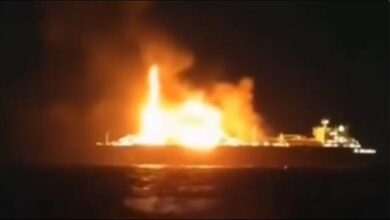
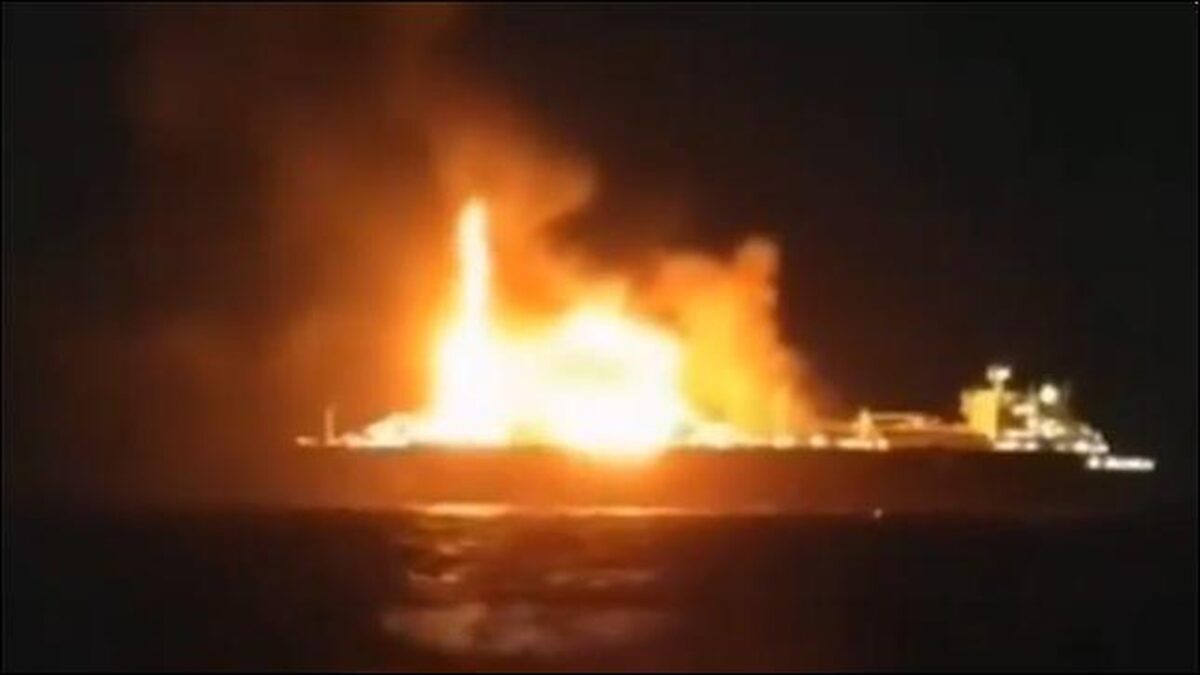
The tranquil waters of the Mediterranean Sea have been disrupted by an alarming development: a Russian LNG carrier, the Arctic Metagaz, has reportedly caught fire. This significant maritime incident raises immediate concerns about safety, environmental impact, and geopolitical tensions. Initial reports from reliable sources indicate that the 138,028 cubic meter Russia-flagged liquefied natural gas (LNG) carrier is experiencing an onboard fire, with the critical status of its crew currently unknown. This event underscores the inherent risks in global shipping, particularly for vessels operating in volatile regions and those potentially linked to international sanctions.
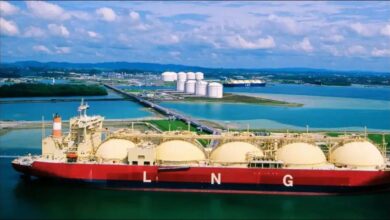
The Arctic Metagaz, a vessel of considerable size and strategic importance for energy transport, was last pinpointed off the coast of Malta on Monday, prior to the distressing reports emerging on Tuesday. Its journey, originating from Murmansk over the past month, places it on a common route for Russian energy exports. The incident has quickly drawn international attention, not only due to the inherent dangers of an LNG carrier fire – given the highly flammable nature of its cargo – but also because of the broader context of regional instability. The maritime community, stakeholders in the energy sector, and international observers are keenly awaiting further details and official confirmations regarding the cause and extent of the blaze.
The Incident Unfolds: A Closer Look at the Arctic Metagaz Fire
The unfolding crisis involving the Russian LNG carrier Arctic Metagaz has sent ripples through the international maritime industry. According to reports, the 138,028 m3 vessel, flying the Russian flag, is grappling with a serious fire onboard. The precise location and conditions of the incident are still being verified, but its last known position off Malta on Monday indicates the event occurred in the busy Mediterranean shipping lanes. This area is crucial for global trade and energy transport, making any maritime incident involving such a large vessel a matter of grave concern. The lack of immediate information regarding the crew’s welfare only adds to the urgency and seriousness of the situation.
The vessel’s recent movements, as tracked by shipping data service VesselsValue, show its passage from Murmansk to Malta in the preceding weeks. This routine journey for an LNG tanker has tragically turned into an emergency, highlighting the unpredictable nature of marine operations. An LNG carrier fire presents unique challenges due to the specific properties of its cargo, demanding specialized firefighting responses and posing potential risks of explosion or widespread environmental damage if not contained swiftly and effectively. The international maritime community is closely monitoring the evolving circumstances, hoping for a safe resolution for the crew and the vessel.
Suspected Attack and Geopolitical Dimensions
Adding a layer of complexity and geopolitical tension to the Arctic Metagaz incident is the strong suggestion that the vessel may have been targeted. One of the sources cited in initial reports indicated the possibility of an attack by a Ukrainian naval drone. While unconfirmed, this speculation immediately thrusts the maritime incident into the spotlight of the ongoing conflict and raises critical questions about maritime security in international waters. Such an attack, if verified, would represent a significant escalation in naval warfare and could have far-reaching implications for commercial shipping routes and insurance premiums across the globe.
Compounding these concerns, the Arctic Metagaz is notably listed on both US and UK sanctions lists. This status could complicate international efforts to provide assistance or conduct investigations, as well as influencing the narrative surrounding the incident. The involvement of a sanctioned vessel in a potential attack scenario in the Mediterranean Sea intertwines maritime safety with geopolitical strategy, making the investigation into the cause of the fire not just a technical inquiry but also a matter of international diplomacy and security. The implications for other Russian-flagged or sanctioned vessels operating worldwide are considerable, potentially prompting a review of security protocols and transit routes.
Maritime Safety and LNG Shipping Risks
The reported Russian LNG carrier fire serves as a stark reminder of the inherent risks associated with LNG shipping and maritime operations in general. Transporting liquefied natural gas, a highly volatile and cryogenic cargo, requires stringent safety protocols, advanced vessel designs, and well-trained crews. An uncontrolled fire on an LNG tanker can lead to catastrophic consequences, including massive explosions, widespread environmental pollution, and significant loss of life. The challenges of combating such fires at sea are immense, often requiring specialized equipment and coordination from multiple international entities.
This particular incident underscores the need for continuous vigilance in maritime safety, especially in congested or geopolitically sensitive areas like the Mediterranean. Beyond the immediate danger of fire, concerns also extend to potential structural damage to the vessel, the integrity of its containment systems, and the possibility of cargo spills. The safety of seafarers, who brave these dangers daily, is paramount. This event will undoubtedly prompt reviews within the LNG shipping industry regarding emergency response procedures, crew training for crisis situations, and the adequacy of current maritime security measures to protect these vital energy carriers from both accidental and intentional threats.
Broader Impact on Global Energy and Shipping Markets
The Arctic Metagaz fire in the Mediterranean has the potential to trigger significant ripple effects across global energy and shipping markets. LNG carriers play a crucial role in the international energy supply chain, transporting natural gas to demand centers worldwide. An incident involving such a vessel, especially one linked to a major energy producer like Russia, can introduce uncertainty into energy markets, potentially influencing gas prices and supply reliability. While one vessel’s disruption may not halt global supply, it highlights vulnerabilities and can prompt market participants to reassess risks associated with specific routes or vessel types.
Furthermore, this maritime incident could impact shipping insurance premiums, particularly for vessels transiting high-risk areas or those with connections to sanctioned entities. Insurers may re-evaluate risk assessments, leading to higher operational costs for carriers. The incident also casts a spotlight on the broader implications for international maritime law and the principle of freedom of navigation, especially if the fire is definitively linked to hostile action. The interplay of sanctions, geopolitical tensions, and an actual maritime casualty creates a complex scenario that could influence future shipping patterns, vessel flagging, and the overall economics of the global LNG trade, pushing industry stakeholders to consider alternative routes and enhanced security measures.
Investigations and The Way Forward for Maritime Security
As the world watches the unfolding situation with the Russian LNG carrier Arctic Metagaz, the immediate focus shifts to managing the emergency and subsequently, to a thorough investigation. Determining the precise cause of the fire—whether accidental, mechanical, or the result of an external attack—is paramount. This investigation will likely involve international maritime authorities, flag state representatives, and potentially military intelligence agencies, given the suspicions of a drone strike. The challenges in gathering evidence from an active incident at sea, particularly in a politically charged environment, are formidable, but crucial for understanding the full scope of what transpired.
The findings of such an inquiry will not only hold implications for accountability but will also inform future maritime security strategies. If a naval drone attack is confirmed, it would necessitate a re-evaluation of defensive measures for commercial shipping, particularly in zones where geopolitical conflicts spill over into maritime domains. The incident serves as a critical case study for the entire shipping industry, emphasizing the evolving threats vessels face—from traditional accidents to sophisticated acts of aggression. Ensuring the safety of vessels, cargo, and crew in an increasingly complex global landscape requires continuous adaptation, robust intelligence sharing, and concerted international cooperation to safeguard the vital arteries of global commerce.