Russia Sends Second Oil Tanker to Cuba Amid US Blockade | Mariner News
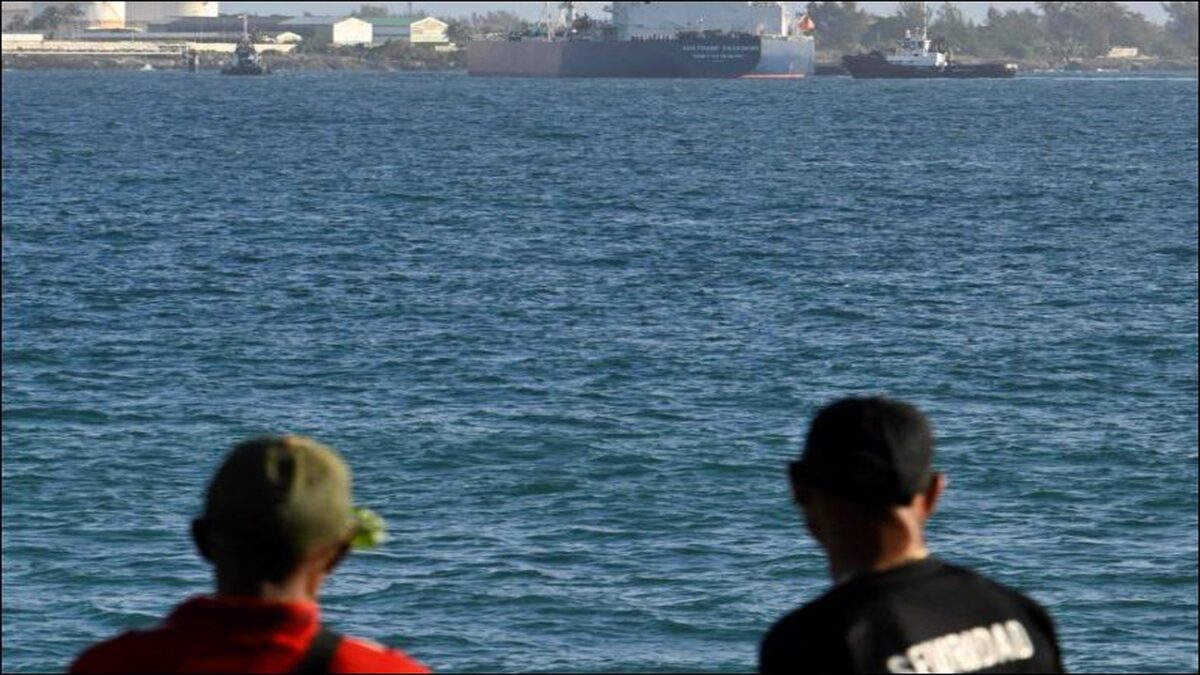
In a bold defiance of the protracted U.S. energy blockade on Cuba, Russia is reportedly preparing to dispatch a second crude oil tanker to the island nation. This critical development follows the recent arrival and unloading of the sanctioned tanker Anatoly Kolodkin in Matanzas, Cuba, a delivery that demonstrably pierced the de facto energy embargo enforced by the Trump administration. The maritime executive’s report underscores a significant shift in global energy politics, highlighting Russia’s increasing willingness to challenge U.S. foreign policy and support its allies. The planned second Russian Cuba oil tanker delivery signals a crucial lifeline for Cuba, which has been grappling with severe fuel shortages, plunging the nation deeper into an acute economic crisis exacerbated by tightened American sanctions. This strategic maneuver by Moscow not only provides much-needed relief to a struggling socialist regime but also sends a powerful geopolitical message about the shifting dynamics of international trade and influence, particularly in vital energy sectors. The global community watches closely as this maritime engagement unfolds, analyzing its potential impact on international relations, energy security, and the ongoing saga of Cuba’s challenging future.
Navigating Geopolitical Waters: Russia’s Maritime Strategy
Russia’s decision to send a second oil tanker to Cuba is a calculated move within a broader geopolitical chess game. For decades, Cuba has been a strategic ally for Moscow, a relationship that has seen periods of both intense support and relative distance. With the recent tightening of U.S. sanctions against Havana, Russia sees an opportunity to reassert its influence in a region traditionally viewed through the lens of American dominance. This bold step demonstrates Russia’s readiness to leverage its energy resources and maritime capabilities to challenge established power structures and reinforce alliances with nations facing Western isolation. The initial successful delivery by the Anatoly Kolodkin served as a vital precedent, proving the operational feasibility and political will behind such endeavors.
This overt support for Cuba, delivered via a crude oil tanker, resonates deeply with Russia’s foreign policy objectives of diversifying global partnerships and demonstrating its capacity to act independently on the world stage. It’s a clear signal to both Washington and other international players that Russia will not be deterred by unilateral sanctions when pursuing its strategic interests. The strategic use of its merchant fleet for these energy shipments underscores the critical role of maritime transport in geopolitical power projection. By providing essential fuel, Russia is not only offering humanitarian aid but also solidifying economic ties and political goodwill, positioning itself as a reliable, albeit controversial, partner for nations navigating complex international pressures.
Furthermore, Russia’s actions can be interpreted as a direct response to what it perceives as overreach by the U.S. in global affairs. The consistent pressure exerted by the U.S. on Cuba’s energy supply, including discouraging other nations from supplying crude oil, creates a vacuum that Moscow is keen to fill. This proactive stance highlights Russia’s ambition to foster a multipolar world order, where countries can forge alliances and conduct trade without fear of punitive measures from a dominant superpower. Such maritime operations are not merely commercial transactions; they are declarations of intent, shaping the narrative of global power dynamics and challenging the efficacy of economic blockades as instruments of foreign policy.
The implications of these Russian Cuba oil deliveries extend beyond the immediate energy supply; they symbolize a renewed commitment to ideological allies and a challenge to the Monroe Doctrine in the Americas. As Moscow continues to project its influence through energy diplomacy, the frequency and scale of such tanker deliveries will be closely monitored, serving as a barometer for the evolving relationship between these nations and the broader contest for global leadership. Each crude oil shipment reinforces a narrative of defiance against U.S. pressure, encouraging other nations to reconsider their alignment in the face of similar economic coercion, thereby complicating the future landscape of international maritime trade.
Cuba’s Energy Crisis: A Nation Under Pressure
Cuba’s energy sector is critically dependent on imported fuel oil, primarily for its power generation and transportation infrastructure. Historically, Venezuela played a pivotal role in supplying discounted crude oil to the island under the leadership of Nicolas Maduro. However, with the U.S.-backed change in Venezuelan leadership in January, that vital lifeline was severed, plunging Cuba into an unprecedented energy crisis. This dramatic shift created an immediate and severe deficit in crude oil supplies, compounding the long-standing challenges posed by the U.S. embargo. The island nation, already facing economic hardships, found its energy security critically compromised, leading to widespread disruptions across all sectors of society.
The ramifications of this profound energy shortage have been devastating for the Cuban populace. Extended and frequent power outages have become a daily reality, disrupting homes, businesses, and essential services. The transportation sector has been particularly hard hit, with public and private transport curtailments making daily commutes and logistics incredibly challenging. Even basic municipal services, such as trash pickup, have suffered, underscoring the deep and pervasive impact of the fuel scarcity. The lack of reliable fuel supply affects everything from food production and distribution to healthcare, threatening to unravel years of social development and further straining an already fragile economy.
In desperation, Cuba attempted to secure crude oil from other sources, including Mexico, but these efforts were reportedly thwarted by the Trump administration, which actively turned away attempted tanker deliveries. This aggressive enforcement of the de facto energy blockade intensified Cuba’s isolation and deepened its humanitarian crisis. The scarcity of fuel oil has not only led to economic stagnation but has also fueled social discontent, putting immense pressure on the current regime to find immediate and sustainable solutions for its energy needs. The urgency for reliable crude oil shipments is paramount, as the nation teeters on the brink of a more profound collapse, making the Russian Cuba oil deliveries a temporary, but critical, relief.
The absence of a consistent and affordable energy supply directly impedes Cuba’s ability to maintain its economic activities and ensure basic living standards for its citizens. Industries struggle with operational costs, agriculture is impacted by fuel shortages for machinery, and the tourism sector, a crucial source of foreign currency, faces significant hurdles. The energy crisis is not merely an inconvenience; it is an existential threat to the nation’s stability and development, highlighting Cuba’s extreme vulnerability to external energy shocks and geopolitical pressures. The strategic importance of any crude oil tanker reaching Cuban shores cannot be overstated in this dire context.
The U.S. Blockade: Intentions and Ramifications
The de facto U.S. embargo on energy shipments to Cuba is explicitly aimed at weakening the current socialist regime and initiating a transition to new leadership and economic policies on the island. This long-standing policy, which has seen various iterations and levels of enforcement, seeks to pressure Havana by denying it essential resources, particularly the fuel oil necessary for its economy and infrastructure. The U.S. strategy posits that by creating economic hardship, it can foster internal dissent and compel the government to undertake significant political reforms, ultimately aligning Cuba more closely with democratic principles and free-market economics, as perceived by Washington.
The implementation of this blockade extends beyond direct prohibitions. It involves extensive diplomatic pressure, financial sanctions, and the threat of secondary sanctions against any entities, including maritime shipping companies, that engage in transactions involving the supply of crude oil to Cuba. This creates a chilling effect, deterring most international tanker operators and energy suppliers from risking punitive measures by the U.S. Treasury Department. The turning away of attempted tanker deliveries from Mexico, as mentioned, exemplifies the comprehensive nature of this enforcement, demonstrating the U.S.’s resolve to tightly control Cuba’s access to vital energy resources and sustain its economic isolation.
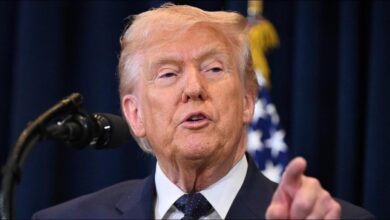
However, the Trump administration’s posture regarding the Anatoly Kolodkin’s initial delivery introduced a peculiar inconsistency. President Trump himself confirmed that he had allowed the vessel to pass, stating, “If a country wants to send some oil into Cuba right now, I have no problem. I prefer letting it in, whether it’s Russia or anybody else.” This statement created confusion about the administration’s actual commitment to the blockade, raising questions about the motivations behind such a seemingly contradictory stance. It suggested a degree of flexibility, perhaps driven by a desire to avoid an even deeper humanitarian crisis or to manage international perceptions of the embargo’s severity, even as the broader policy of economic pressure remained firmly in place. This complex approach complicates the global understanding of the U.S.’s intentions.
The legal and ethical ramifications of such a de facto energy blockade are subjects of ongoing debate within international law and human rights circles. Critics argue that these measures disproportionately affect the civilian population, leading to humanitarian suffering without necessarily achieving the stated political objectives. The legality of extraterritorial sanctions that deter third-country trade with a sovereign nation is frequently challenged, yet the U.S. continues to assert its right to implement such policies. The effectiveness of the blockade itself is also a contentious point; while it undeniably inflicts economic pain, it has historically solidified the Cuban regime’s resolve and prompted it to seek alternative alliances, as evidenced by the recent Russian Cuba oil deliveries, inadvertently pushing Cuba further into the arms of geopolitical adversaries.
Operational Challenges and Limited Relief for Cuba
While the arrival of Russian crude oil tankers offers a much-needed reprieve, the operational challenges inherent in these deliveries mean that the relief for Cuba will be both small and slow to materialize. The crude oil delivered to Matanzas, a key port, is not immediately ready for consumption. It must first be transported overland to refineries located in Havana, a logistical hurdle that adds significant time, cost, and complexity to the process. Cuba’s aging infrastructure for transportation and refining further exacerbates these delays, meaning that the benefits of the incoming fuel will not be felt instantaneously across the island. The journey from port to power plant, and then to the consumer, is fraught with inefficiencies that dilute the immediate impact of the shipments.
Experts have cautioned that while these tanker deliveries are symbolically significant and provide some respite, they are far from a comprehensive solution to Cuba’s chronic energy deficit. The volume of crude oil delivered by one or even two tankers is insufficient to meet the island’s vast energy demands for an extended period. Cuba requires a consistent and substantial supply of fuel to power its grid, operate its transportation networks, and support its industries. These shipments, therefore, act more as a stopgap measure, temporarily alleviating the most acute shortages rather than resolving the underlying structural issues of energy insecurity that plague the nation.
Furthermore, the refining process itself is complex and resource-intensive. Crude oil quality varies, and Cuban refineries must adapt to the specific characteristics of the Russian oil. This requires skilled labor, spare parts, and additional energy, all of which are scarce resources on the island. Once refined, the fuel then needs to be distributed across the country, a task made difficult by a dilapidated road network and a shortage of functional transport vehicles. The entire supply chain from the arrival of the crude oil tanker to its final use is a delicate and often inefficient operation, reducing the overall benefit that might otherwise be expected from such crucial deliveries.
The limited impact also stems from the deep economic crisis Cuba is enduring. Even with fuel, other sectors of the economy remain severely constrained by a lack of investment, access to foreign currency, and the broader effects of sanctions. The crude oil provides vital energy, but it cannot single-handedly stimulate widespread economic recovery or resolve systemic issues. Thus, while the sight of a tanker unloading in Matanzas offers a glimmer of hope, the long-term prognosis for Cuba’s energy security remains precarious, underscoring the need for sustained and diversified energy solutions rather than intermittent emergency shipments of crude oil. The nation’s vulnerability highlights the ongoing challenge of securing consistent fuel supply amidst intense geopolitical pressure.
Future Outlook: The Global Energy Chessboard
The ongoing saga of Russia’s crude oil deliveries to Cuba signifies a critical juncture in global energy politics and international relations. Looking ahead, it is highly probable that Russia will continue to provide support to Cuba, potentially through further tanker deliveries, solidifying its role as a strategic energy partner in the face of U.S. opposition. This sustained engagement would not only reinforce bilateral ties but also serve as a powerful symbol of resistance against unilateral sanctions, potentially encouraging other nations to similarly challenge perceived U.S. hegemony in maritime trade and energy supply chains. The frequency and scale of future Russian Cuba oil shipments will be a key indicator of Moscow’s commitment and its capacity to sustain such operations.
The United States’ response to these continuing Russian crude oil shipments will be crucial. Washington could choose to tighten existing sanctions, impose new measures against entities involved in these deliveries, or engage in more robust diplomatic efforts to deter future shipments. However, a highly aggressive stance risks escalating tensions and further alienating allies who may view the blockade as unduly harsh. Alternatively, the U.S. might need to re-evaluate the effectiveness of its blockade policy, considering whether it truly achieves its political objectives or merely pushes Cuba closer to geopolitical rivals, thereby undermining long-term regional stability. The strategic calculus for the U.S. is complex, balancing its desire for regime change against the potential for creating deeper humanitarian crises and strengthening adversary alliances.
For international maritime trade, these events highlight the increasing politicization of global shipping routes and energy supplies. Tanker operators, insurers, and financial institutions will face heightened scrutiny and pressure when contemplating engagements with sanctioned nations or those under de facto blockades. This environment creates uncertainty and increases risks for the shipping industry, potentially fragmenting established trade networks and forcing new, less transparent supply chains to emerge. The precedent set by Russia’s actions might embolden other nations to challenge similar restrictions, leading to a more complex and contentious landscape for global maritime commerce and energy security.
Cuba’s long-term energy strategy will undoubtedly evolve in response to these geopolitical currents. While Russian crude oil provides immediate relief, Havana must continue to explore diversified energy sources, including renewable energy projects, to reduce its vulnerability to external shocks and geopolitical pressures. Investing in modernizing its energy infrastructure, improving refining capabilities, and exploring domestic energy resources will be essential for achieving genuine energy independence. The Russian Cuba oil lifeline, while vital now, must be viewed as part of a broader, more sustainable strategy for national energy security.
Ultimately, the situation underscores how energy resources and maritime access remain crucial battlegrounds in the global contest for influence and sovereignty. The saga of the Russian Cuba oil deliveries will continue to shape the narrative of global maritime geopolitics, influencing not only the future of Cuba but also the broader dynamics of international relations and energy policy. This ongoing geopolitical maritime chess match will have lasting implications for how nations navigate economic coercion and ensure their energy resilience in an increasingly multipolar world.