Red Sea Opening to Strain Europe’s Feeder Operators | Mariner News
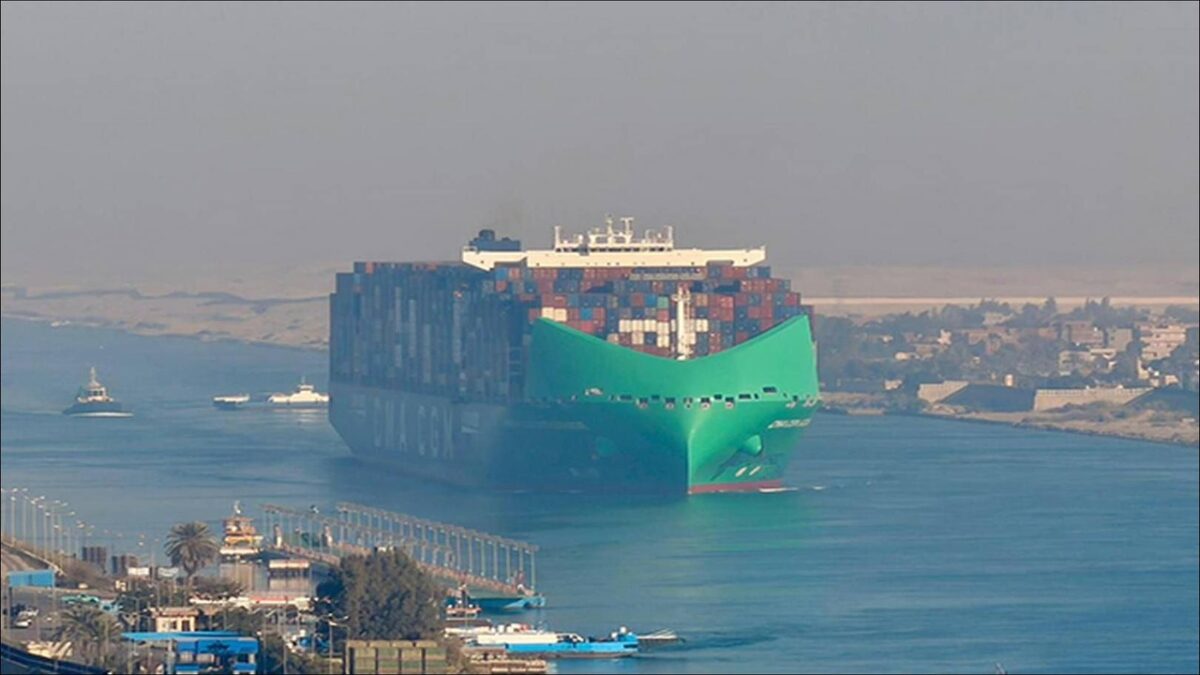
The much-anticipated Red Sea opening for regular shipping routes is poised to create significant competitive pressures for feeder and niche operators across Europe. After months of diversions around the Cape of Good Hope, the return to Suez Canal transit will redefine maritime logistics and cargo flow, directly impacting regional services that have adapted to altered schedules and increased demand. This strategic shift demands careful navigation from European shipping companies.
Shifting Dynamics for European Feeder Operators
European feeder operators, vital for connecting smaller ports to major hubs, could experience reduced cargo volumes. During periods of Red Sea disruption, mainline vessels often offloaded cargo at fewer, larger European ports, increasing transshipment demand for feeders. With direct Suez routes resuming, major carriers may bypass some feeder hubs, optimizing their networks and potentially decreasing feeder reliance. This change in global shipping routes requires strategic adjustments from regional services and port authorities.
Challenges for Niche Maritime Services
Niche operators in Europe, specializing in specific routes or cargo types, also face an evolving landscape. Increased capacity and more direct routes from global carriers through the Red Sea could intensify competition for certain freight. These smaller, specialized shipping lines must innovate and focus on unique value propositions to retain market share amidst the reconfigured global supply chains. Adaptability will be key to navigating this new maritime reality, especially for intra-Europe shipping.
The expected “opening” signifies a return to pre-disruption norms but with new lessons learned. While offering efficiency benefits for global trade, it presents a critical juncture for European feeder and niche operators to re-evaluate strategies, streamline operations, and identify new opportunities within a rapidly changing maritime environment. This period will test the resilience of regional shipping services.