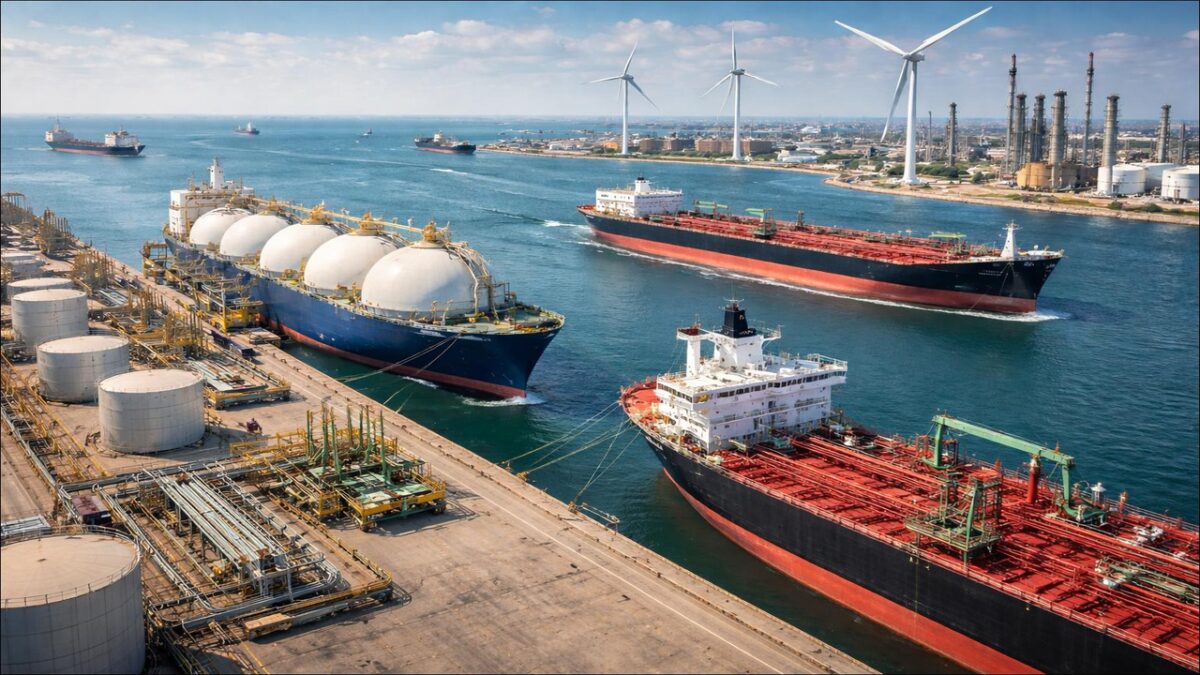
Qatari LNG Supply Heightens Global Carrier Surplus | Mariner News
The global liquefied natural gas (LNG) market is bracing for a significant shift as Qatar, a leading exporter, prepares to unleash a substantial increase in its production capacity. This anticipated surge in Qatari LNG supply arrives at a precarious time for the energy sector, particularly exacerbating existing LNG sector challenges, most notably the persistent LNG carrier surplus that has been weighing on the shipping industry. Stakeholders across the energy value chain are closely monitoring these developments, anticipating profound impacts on freight rates, vessel utilization, and the delicate balance of supply and demand in the global LNG market.
Industry experts suggest that this expansion by Qatar Energy, a pivotal player in natural gas liquefaction, could dramatically reshape trade routes and pricing dynamics. The timing is crucial, as the world navigates complex geopolitical landscapes and a fluctuating appetite for natural gas, a transitional fuel in the global energy mix. The confluence of increased supply from the Middle East and an already swollen fleet of LNG carriers presents a unique dilemma, pushing the global LNG market into a period of heightened uncertainty and intense competition. The implications stretch beyond just shipping, influencing investment decisions, contract negotiations, and the broader strategic outlook for natural gas as a cornerstone of future energy security.
Qatar’s Ambitious North Field Expansion to Boost LNG Output
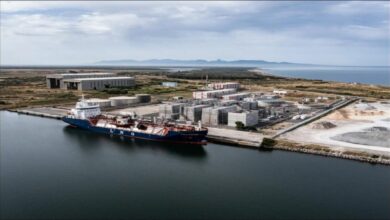
Qatar’s strategic vision for its natural gas reserves is encapsulated in the massive North Field Expansion project, an undertaking set to cement its position as a dominant force in the global LNG market. This multi-phase project aims to significantly increase the nation’s LNG production capacity from 77 million tonnes per annum (mtpa) to an impressive 126 mtpa by 2027. Such a colossal jump in output represents a substantial addition to the world’s liquefaction capabilities, injecting a considerable volume of new supply into an already competitive market. The ambitious scale of this expansion highlights Qatar’s long-term commitment to natural gas as a primary energy source, leveraging its vast reserves to meet growing international demand, particularly from Asian and European markets seeking reliable energy alternatives.
This increased Qatari LNG supply is not merely about volume; it also signifies a push for greater market share and influence. Qatar Energy has been actively signing long-term supply agreements with various international buyers, often tying these deals to investments in new LNG carrier tonnage. These agreements provide a stable base for the additional output but also mean that a significant portion of the new supply will likely be transported on new, dedicated vessels, further complicating the dynamics of the spot shipping market. The strategic timing of these expansions, coming online in phases over the next few years, will test the resilience of the global energy market and the preparedness of the shipping industry to absorb such a substantial influx of liquefied natural gas. The development underscores a critical moment for the energy sector, emphasizing the need for robust infrastructure and flexible logistics to handle the burgeoning trade volumes.
The Persistent LNG Carrier Overcapacity Dilemma
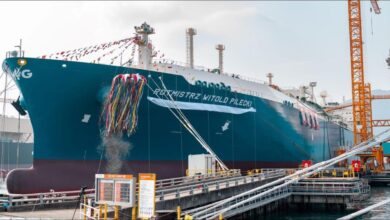
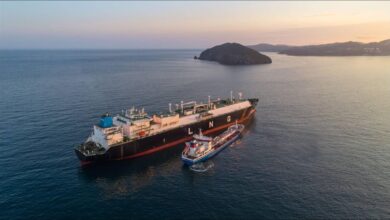
The LNG shipping market has been grappling with an escalating overcapacity issue for several years, a challenge that Qatari’s impending supply boost is poised to worsen. A significant wave of newbuild orders placed during periods of higher charter rates and optimistic demand forecasts has led to a substantial expansion of the global LNG carrier fleet. Many of these vessels, ordered by both speculative owners and those with long-term charters tied to new liquefaction projects, are now entering service, creating a glut of available tonnage. This situation has driven down spot charter rates and reduced vessel utilization, putting considerable financial pressure on shipowners and operators across the maritime logistics sector.
The current LNG carrier surplus reflects a disconnect between the anticipated growth in LNG trade and the actual pace of new project commissioning and global energy demand fluctuations. While natural gas demand is projected to grow, the rate of new liquefaction capacity coming online has not always aligned perfectly with the delivery schedules of new vessels. Furthermore, older, less fuel-efficient vessels are finding it increasingly difficult to secure employment, intensifying competition for cargo among the modern, larger, and more environmentally friendly ships. The influx of additional Qatari LNG supply, while offering more cargo opportunities overall, will likely be absorbed by a mix of new, dedicated vessels and existing tonnage, potentially maintaining, or even depressing, spot market rates as the number of available ships continues to outpace immediate requirements for flexible transport.
Market Implications for Global LNG Trade and Natural Gas Prices
The considerable increase in Qatari LNG supply is set to send ripples throughout the global LNG trade, fundamentally altering the supply-demand balance and influencing natural gas prices worldwide. With a major producer significantly expanding its export capabilities, the market will likely see increased competition among suppliers, potentially leading to downward pressure on spot LNG prices. This could be a boon for importing nations seeking cheaper energy, but it might pose challenges for other existing and nascent LNG export projects that rely on higher prices to justify their operational costs and investment returns. The strategic flexibility offered by Qatari exports, particularly with its ability to serve both Asian and European markets, will also intensify competition among regional trading hubs.
Moreover, the expanded supply could reshape traditional trade routes and procurement strategies. Buyers might gain more leverage in contract negotiations, pushing for shorter-term deals, greater destination flexibility, and more competitive pricing structures. This shift could accelerate the move away from rigid, long-term, oil-indexed contracts towards more market-responsive pricing, characteristic of a maturing and increasingly liquid global natural gas market. For energy market dynamics, the stability of Qatar’s long-term contracts provides a baseline, but the sheer volume of additional gas entering the market is likely to increase overall market volatility and price sensitivity, requiring agile responses from all participants to navigate the evolving landscape.
Intensifying Pressure on LNG Shipping Economics
The existing LNG carrier surplus already places considerable strain on shipping economics, and the impending Qatari LNG supply expansion is poised to escalate these pressures. While theoretically, more LNG production means more cargo to transport, the reality for the shipping industry is complex. A significant portion of Qatar’s new production capacity will be allocated to newbuild vessels tied to long-term charters, many of which have been ordered by Qatar Energy itself or its joint venture partners. This means that a large part of the increased cargo volume may not immediately translate into higher demand for the already oversupplied independent fleet operating in the spot market.
This scenario could lead to sustained low spot charter rates, making it difficult for independent shipowners to cover operational costs, debt servicing, and generate healthy returns on investment. Vessel utilization rates, a critical metric for profitability, are also likely to remain subdued, particularly for older, less efficient vessels that might face increasing competition from newer, more technologically advanced carriers. The economic squeeze could force some shipowners to consider lay-ups, accelerated vessel retirements, or even financial restructuring. The industry might also witness a push for greater efficiency and innovation in vessel design and propulsion systems, as operators strive to reduce fuel consumption and operational expenses to maintain competitiveness in a challenging freight market. The future profitability of maritime logistics in the LNG sector hinges on finding equilibrium between vessel supply and cargo demand, a balance that Qatar’s expansion will undoubtedly perturb.
Strategic Responses and Future Outlook for the LNG Sector
In response to the multifaceted challenges posed by the Qatari LNG supply surge and the persistent carrier surplus, stakeholders across the LNG sector are exploring various strategic responses. For shipowners, this might involve a renewed focus on fleet optimization, investing in dual-fuel or ammonia-ready vessels for future-proofing, and aggressively seeking long-term employment opportunities to mitigate spot market volatility. Consolidation within the shipping industry could also become more prevalent as smaller players struggle to compete. Producers, meanwhile, will need to balance their supply strategies, potentially diversifying their buyer base and refining their pricing mechanisms to remain competitive in a saturated market. The emphasis will be on securing reliable off-take agreements while maintaining flexibility to respond to unforeseen market shifts.
Looking ahead, the long-term outlook for natural gas demand remains robust, driven by energy transition efforts and the need for reliable baseload power. However, the path to that future is fraught with potential market volatility and geopolitical influences. The role of LNG in global energy security will continue to be paramount, but the industry must adapt to a more dynamic and competitive environment. Innovation in areas like carbon capture, utilization, and storage (CCUS) and the development of greener shipping solutions will also play a crucial role in shaping the industry’s sustainability credentials and long-term viability. The coming years will be a definitive test of the LNG sector’s resilience and adaptability, as it navigates the twin pressures of increased supply and an ample shipping fleet, striving to maintain stability and growth in an evolving global energy landscape.