Precious Shipping Secures $49.8M Japanese Lease for Bulkers | Mariner News
In a significant move poised to bolster its financial standing and operational flexibility, Thailand’s Precious Shipping Public Company Limited (PSL) has successfully sealed a substantial $49.80 million Japanese operating lease with call option (JOLCO) for four of its dry bulk vessels. This strategic financing initiative underscores the evolving landscape of shipping finance and Precious Shipping’s proactive approach to fleet management and capital optimization within the competitive global dry bulk sector.
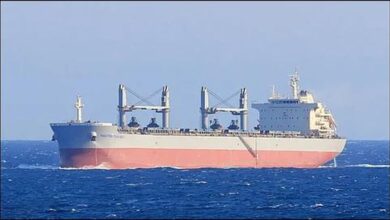
The deal, executed through four of PSL’s wholly owned Singapore subsidiaries – Precious Glories, Precious Wisdom, Precious Sparks, and Precious Bridges – involves four key dry bulk vessels: the 2015-built Vipha Naree (38,851-dwt), the 2016-built Viyada Naree (38,716-dwt), and the 2012-built Baranee Naree (56,441-dwt) and Daranee Naree (56,588-dwt). These vessels are crucial components of Precious Shipping’s fleet, and their continued operation under the Singapore flag highlights the company’s commitment to maintaining its established operational framework while leveraging innovative financial instruments.
The JOLCO transaction is a sophisticated financial arrangement wherein the vessels are sold to special purpose companies established in the Marshall Islands specifically for this deal. Subsequently, these vessels are bareboat chartered back to Precious Shipping’s subsidiaries for a fixed period. This structure allows PSL to secure long-term financing for these valuable assets while critically retaining full operational control and the option to repurchase the vessels, blending the benefits of ownership with the flexibility of leasing.
Understanding the Japanese Operating Lease with Call Option (JOLCO)
The Japanese Operating Lease with Call Option, or JOLCO, represents a highly sought-after and complex form of maritime finance that has gained considerable traction within the shipping industry. At its core, a JOLCO arrangement combines elements of an operating lease with a purchase option, offering distinct advantages to both the lessor and the lessee. For the lessor, typically a consortium of Japanese investors, the primary appeal lies in tax benefits derived from depreciation allowances and other fiscal incentives within Japan’s financial regulatory framework. This allows them to offer competitive lease rates.
For shipping companies like Precious Shipping, JOLCO provides access to long-term, often lower-cost financing compared to traditional bank loans or equity raises. It’s an attractive option for asset-heavy industries such as shipping, enabling companies to manage their balance sheets more efficiently by converting capital expenditures into operational expenses. Furthermore, by retaining a call option, the lessee maintains the strategic flexibility to repurchase the vessel at a predetermined price at the end of the charter period, effectively hedging against market fluctuations and ensuring fleet continuity.
This innovative structure facilitates asset acquisition and modernization without requiring significant upfront capital outlay, making it a powerful tool for fleet expansion and renewal. The JOLCO market is particularly robust for vessels with long economic lives, such as dry bulk carriers, tankers, and container ships, where the depreciation benefits can be maximized over an extended period. The intricate legal and financial structuring involves multiple jurisdictions and entities, requiring specialized expertise to navigate the complexities and ensure compliance with international maritime and financial regulations.
Precious Shipping’s Strategic Fleet Enhancement and Operational Control
Precious Shipping’s decision to utilize a JOLCO for these four dry bulk vessels is a testament to its forward-thinking strategic planning. The vessels involved – Vipha Naree, Viyada Naree, Baranee Naree, and Daranee Naree – are integral to the company’s operational capacity within the dry bulk segment. These vessels, ranging from Handysize to Panamax, are crucial for transporting a variety of commodities globally, including grains, coal, iron ore, and other dry bulk cargoes.
By opting for a bareboat charter-back arrangement, Precious Shipping ensures that the operational management, crewing, and commercial deployment of these vessels remain entirely under its control. This seamless continuation of operations is vital for maintaining service levels to clients and leveraging existing operational efficiencies. The Singapore flag, under which the vessels continue to operate, further reinforces the group’s established maritime presence and adherence to international shipping standards.
This approach allows PSL to de-risk its balance sheet while accessing capital for future investments or maintaining liquidity. In a capital-intensive industry like shipping, such financing mechanisms are pivotal for sustaining growth and adapting to market cycles. The long-term nature of the financing also provides stability, reducing exposure to short-term market volatility and interest rate fluctuations, which are significant concerns for global shipping companies.
The Role of Singapore Subsidiaries in Global Shipping Finance
The involvement of Precious Shipping’s Singapore subsidiaries – Precious Glories, Precious Wisdom, Precious Sparks, and Precious Bridges – highlights Singapore’s preeminent position as a global maritime hub and a preferred jurisdiction for shipping finance and operations. Singapore offers a robust legal framework, a strong financial ecosystem, and a wealth of maritime expertise, making it an attractive base for international shipping companies.
Operating through Singapore-domiciled entities provides Precious Shipping with numerous advantages, including access to a sophisticated banking and financial sector, favorable tax regimes, and a highly skilled maritime workforce. The consistent operation of these vessels under the Singapore flag also signifies adherence to high operational and safety standards, which can enhance charterer confidence and contribute to premium freight rates. This strategic choice of jurisdiction facilitates complex international transactions like JOLCOs, streamlining the process and ensuring legal certainty across multiple parties and geographies.
Market Implications and Future Outlook for Dry Bulk Shipping
This $49.80 million Japanese lease deal by Precious Shipping sends a clear signal of confidence in the long-term prospects of the dry bulk shipping market, despite its inherent cyclicality. The dry bulk sector is a foundational pillar of global trade, intrinsically linked to industrial production, infrastructure development, and agricultural output worldwide. While market conditions can fluctuate, the fundamental demand for dry bulk commodities remains robust, driven by urbanization and industrialization in emerging economies.
For Precious Shipping, securing stable, long-term financing for its bulkers positions it advantageously to navigate market shifts and capitalize on upward trends. It allows the company to maintain a modern and efficient fleet, which is critical for competing effectively on freight rates and operational costs. Such sophisticated financing arrangements also reflect a broader trend in maritime finance, where traditional bank lending is complemented by diverse, innovative capital sources, including export credit agencies, private equity, and specialized lease structures like JOLCOs.
The global shipping industry is continuously evolving, facing challenges such as decarbonization, geopolitical tensions, and supply chain disruptions. Companies that can strategically manage their assets and finances, like Precious Shipping through this JOLCO deal, are better equipped to adapt to these changes and maintain a competitive edge. This deal not only strengthens Precious Shipping’s operational capabilities but also contributes to the overall resilience and financial sophistication of the dry bulk shipping sector, offering a model for sustainable growth and fleet management in a dynamic global economy.
Advantages of Innovative Shipping Finance for Fleet Modernization
The adoption of innovative financial instruments like the Japanese Operating Lease with Call Option offers multi-faceted advantages for fleet modernization and strategic asset management in the shipping industry. Beyond securing capital, these mechanisms provide significant flexibility and risk management benefits. For one, they allow shipping companies to acquire or retain advanced, fuel-efficient vessels without tying up significant portions of their equity, thus preserving capital for other strategic investments or unforeseen operational needs. This capital efficiency is paramount in a sector characterized by high asset values and volatile market conditions.
Moreover, JOLCOs can often result in lower overall financing costs compared to conventional debt, due to the attractive tax efficiencies leveraged by Japanese investors. This reduction in the cost of capital directly impacts a company’s bottom line, improving profitability and strengthening its competitive position. The bareboat charter structure further ensures that the operational risk and responsibility remain with the shipping company, allowing them to benefit directly from their operational expertise and market knowledge.
Finally, the option to repurchase the vessels at the end of the lease term provides a critical element of long-term control. It allows Precious Shipping to react to future market conditions, either by reacquiring the vessels if market values are favorable or allowing the lease to expire if strategic priorities shift. This blend of financial leverage, operational control, and strategic flexibility makes JOLCOs an indispensable tool for forward-thinking dry bulk shipping companies looking to optimize their fleet and capital structure in a complex global trade environment.