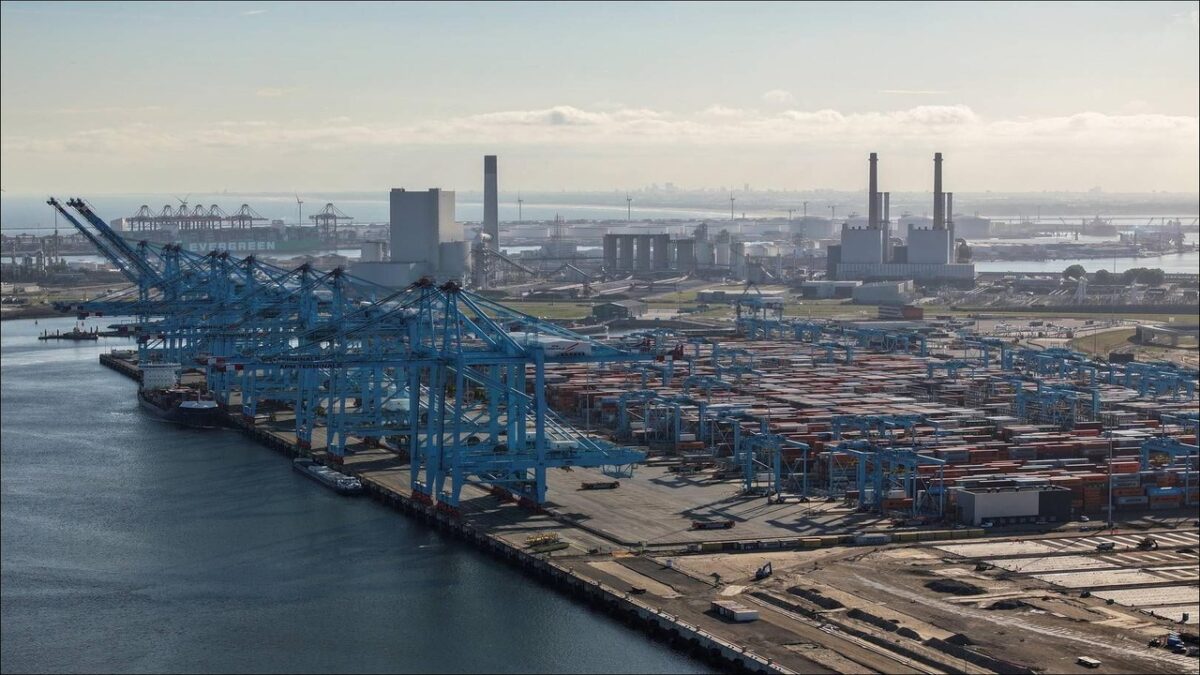
Port of Rotterdam Reports Sliding Cargo Volumes | Mariner News
The Port of Rotterdam, Europe’s largest seaport and a vital artery in global logistics, has announced a challenging year marked by significant decreases in its overall cargo volumes. This downturn in Port of Rotterdam volumes reflects broader economic headwinds and shifts in global trade patterns, posing critical questions about the resilience and adaptability of major maritime hubs. The port, a bellwether for international commerce, experienced a notable dip across various cargo segments, signaling a period of considerable adjustment for the shipping industry and its stakeholders. This comprehensive analysis delves into the specifics of Rotterdam’s performance, the underlying causes, its impact on the maritime sector, and the strategic responses being implemented to navigate these turbulent waters.
Understanding the Decline in Rotterdam Cargo Volumes
The official figures reveal a clear picture of reduced activity, with the Port of Rotterdam cargo decline being multifaceted rather than isolated to a single sector. This challenging period saw overall throughput drop by a notable percentage compared to previous years, impacting the port’s critical role as a gateway to Europe. The decline wasn’t uniform, with some segments experiencing steeper falls than others, reflecting specific market dynamics and consumer behaviors. This performance starkly contrasts with the robust growth seen in earlier periods, underscoring the volatility inherent in global trade.
Several factors converged to create this difficult environment. Geopolitical instability, including ongoing conflicts and trade disputes, contributed to heightened uncertainty in supply chains. Additionally, inflationary pressures across major economies led to reduced consumer spending and industrial production, directly impacting the demand for goods transported through the port. High energy costs further compounded operational expenses for shipping lines and logistics providers, influencing freight rates and route optimizations.
Global Economic Slowdown and Maritime Trade Challenges
Rotterdam’s experience is not unique but rather emblematic of the wider maritime trade challenges faced by the global shipping industry. The slowdown in the Chinese economy, a pivotal player in global manufacturing and trade, sent ripples across international supply chains. European economies, grappling with energy crises and cost-of-living increases, saw a contraction in both imports and exports, directly affecting the flow of goods through key hubs like Rotterdam.
Moreover, shifts in manufacturing strategies and a push towards regionalization or nearshoring also played a role, albeit a more nascent one. Companies are reassessing long, complex supply chains in favor of more resilient, localized networks, potentially altering traditional shipping routes and port traffic. This strategic realignment, coupled with declining global demand, created an unfavorable climate for consistent cargo growth at major transshipment points.
Impact Across Key Cargo Segments
Breaking down the overall Port of Rotterdam volumes reveals varying degrees of impact across different cargo categories. Container throughput, often considered a primary indicator of global trade health, saw a significant reduction. This was largely due to decreased consumer demand for manufactured goods, overstocked inventories, and capacity adjustments by shipping lines, leading to blank sailings and reduced port calls. The impact was felt across both import and export container movements.
Similarly, dry bulk cargo, including iron ore, coal, and agricultural products, also experienced a downturn. Reduced industrial output in Europe led to lower demand for raw materials like iron ore and coal. While agricultural bulk often shows resilience, overall economic sentiment and inventory adjustments contributed to its decline. The energy transition also continued to weigh on coal volumes, aligning with long-term strategic shifts away from fossil fuels.
Liquid bulk, encompassing crude oil, oil products, and chemical products, presented a mixed picture. While some segments saw marginal increases due to geopolitical realignments and strategic stockpiling, the overall trend reflected subdued industrial activity and fluctuating energy prices. Gas volumes, particularly LNG, remained relatively stable or even saw increases in specific periods due to Europe’s urgent need to secure alternative energy sources following geopolitical events, yet this was not enough to offset declines in other areas.
Strategic Responses and Future Outlook for Europe’s Largest Port
In response to these maritime trade challenges, the Port of Rotterdam Authority is actively pursuing strategies to enhance its resilience and prepare for future growth. Key initiatives include continued investment in digital infrastructure to optimize port operations, improve efficiency, and reduce turnaround times. Automation and smart logistics solutions are being championed to maintain Rotterdam’s competitive edge as a leading European trade hub.
Sustainability remains a central pillar of the port’s strategy, with significant investments in renewable energy projects, shore power facilities, and the development of alternative fuels for shipping. These initiatives not only align with global environmental goals but also aim to future-proof the port against evolving regulatory landscapes and market demands. The port is positioning itself as a leader in hydrogen infrastructure, anticipating future energy needs.
Looking ahead, while the immediate outlook presents challenges, there is cautious optimism for a gradual recovery in Port of Rotterdam volumes. Economic forecasts suggest a potential stabilization and modest growth in global trade, though much depends on geopolitical stability and effective management of inflationary pressures. The port emphasizes its long-term vision, focusing on diversification, innovation, and strong partnerships to navigate the complexities of the global market. Its strategic location and extensive multimodal connections continue to underscore its enduring importance in the global supply chain. The port’s adaptability and proactive measures are crucial for reaffirming its status as a vital hub for international commerce and a key driver of economic activity in Europe.