

Port of Long Beach hits record container efficiency as GHG emissions rise
Long Beach records its lowest emissions per container despite record volumes, but rising greenhouse gases signal new pressure on vessel operators.
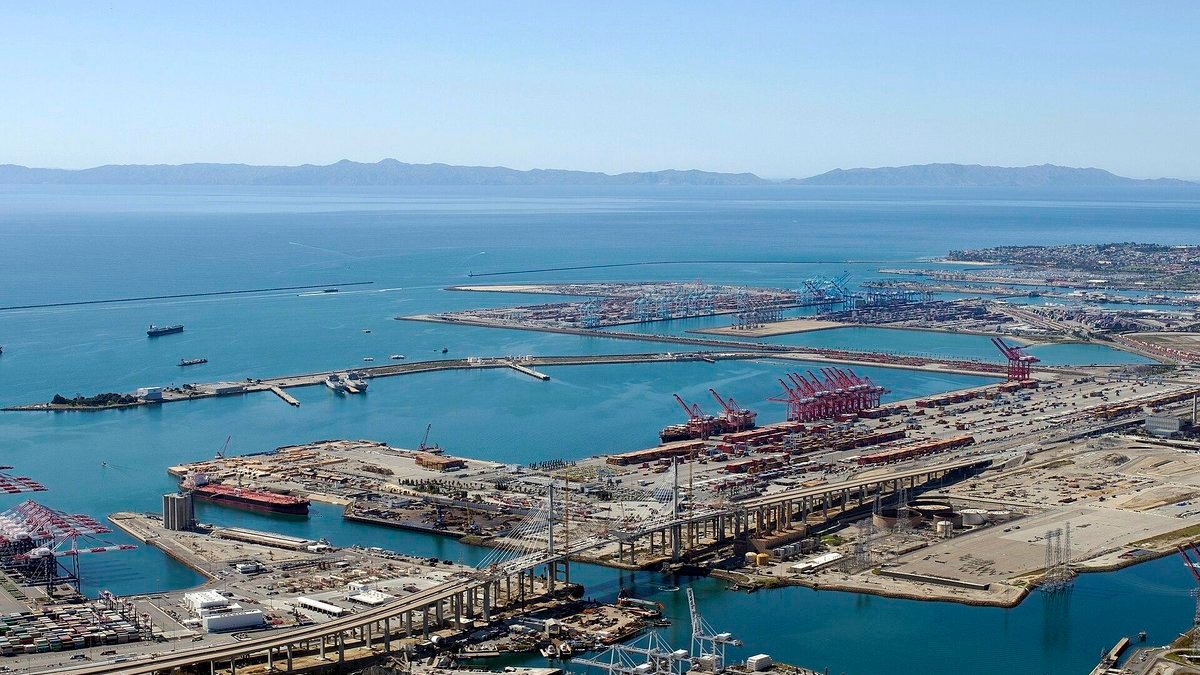
The Port of Long Beach has reached its lowest-ever emissions per container, proving that terminal efficiency can outpace volume growth even as absolute greenhouse gas levels begin to climb. While the port handled a record 9.9 million TEUs, the 2025 emissions inventory shows that the push for a zero-emissions future now rests on accelerating vessel and truck technology.
According to the port’s latest data, diesel particulate matter fell 7%, nitrogen oxides 9%, and sulfur oxides 9% compared to the previous year. Greenhouse gases dropped 6% year-on-year, but remain 9% higher than 2017 levels, a period during which container throughput grew by 31%.
Strategic investment in zero-emissions equipment and more frequent calls by cleaner ships drove the reductions. Use of shore power and emissions-control barges rose 11%, while Tier III engines were fitted on 21% of vessel calls. On the landside, 95% of the drayage fleet now meets model year 2014 standards or newer, but zero-emissions models make up only 2% of the fleet.
Why it matters
Carriers are under the microscope. Only 21% of vessel calls currently feature Tier III engines, the cleanest available. As the port prepares to update its Green Ship Incentive Program, owners of older tonnage risk losing out on financial benefits or facing higher operational hurdles compared to those with modern fleets.
The landside transition is lagging. While the vast majority of trucks are relatively modern, the 2% share for zero-emissions models is a bottleneck. This gap suggests that terminal operators and trucking companies will face intensifying pressure to adopt zero-emissions infrastructure as the port launches new truck utilization and voucher programs to force the pace of change.
Decoupling works, but absolute targets are the real test. Since 2005, the port has slashed diesel soot by 91% and sulfur oxides by 98% while growing throughput by 47%. However, the 9% rise in greenhouse gases since 2017 shows that incremental gains in engine efficiency are being offset by sheer volume, making the port’s upcoming zero-emissions infrastructure plan a critical roadmap for future terminal investments.
What to watch
The launch of the updated Green Ship Incentive Program and the new truck utilization incentive program over the next year will likely widen the cost gap between Tier III vessels and the rest of the fleet.
Source: Container News