Petrobras Baker Hughes: Brazil’s Offshore Engine Security Locked Down
PETROBRAS AND BAKER HUGHES: A LONG-TERM ANCHOR FOR BRAZIL’S ENERGY ARTERIES
Brazil’s energy sector, a linchpin of global crude and refined product supply, just saw its operational backbone stiffened. Petrobras, the national oil giant, has inked a substantial 60-month service agreement with Baker Hughes, an energy technology powerhouse, to maintain critical turbomachinery across 19 Floating Production, Storage, and Offloading (FPSO) vessels offshore Brazil and at the sprawling Replan refinery. This is not merely a contract; it is a five-year operational insurance policy, a calculated move to secure the physical flow of hydrocarbons that underpins both Brazil’s economy and a significant portion of the global commodity market. For shipowners, port authorities, and commodity traders, this agreement casts a long shadow, indicating a fortified supply line and a calculated bet on asset longevity.
THE HEART OF BRAZIL’S OFFSHORE ENGINE ROOM
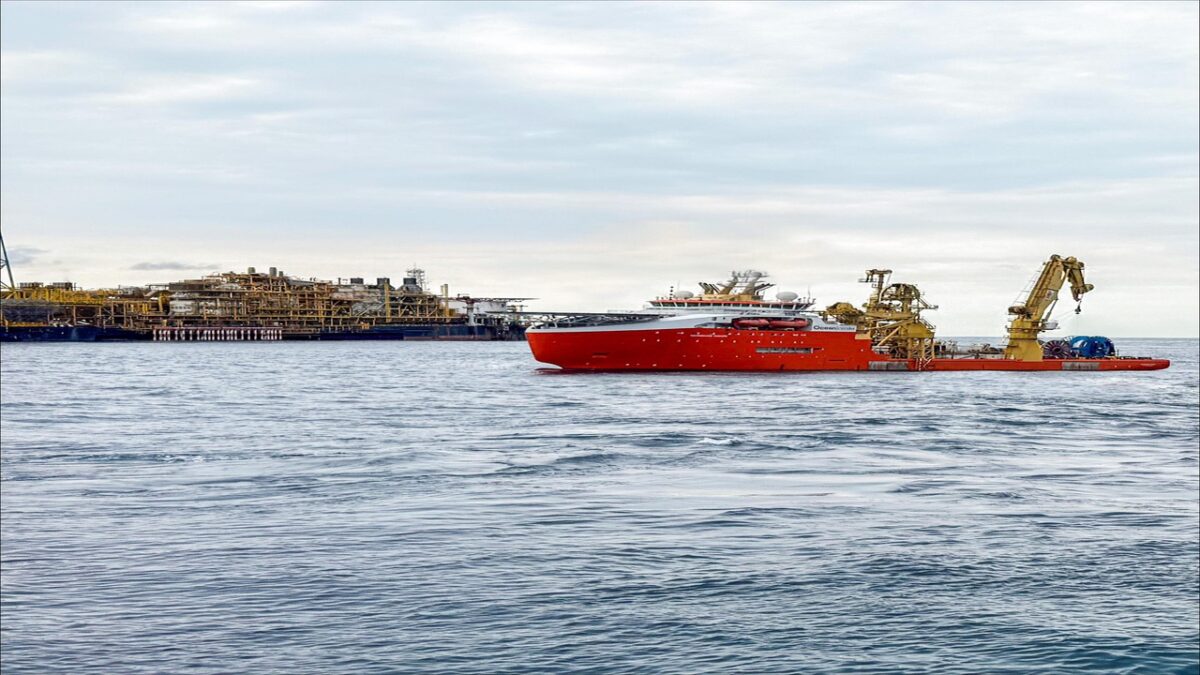
Floating Production, Storage, and Offloading vessels are more than just ships; they are mobile oil fields, complex ecosystems of drilling, processing, and export infrastructure. Central to their function are the turbomachinery units, specifically the aeroderivative gas turbines like the LM2500 and LM6000 models cited in the Baker Hughes agreement. These aren’t auxiliary engines; they are the prime movers for a spectrum of critical operations:
1. Power Generation: Providing the immense electrical power required to run pumps, compressors, and living quarters across the vast deck of an FPSO. Consistent power directly translates to sustained production rates.
2. Gas Compression: Essential for reinjecting associated natural gas back into reservoirs to maintain pressure, thus maximizing crude oil recovery. It also prevents wasteful flaring, a key environmental concern.
3. Crude Processing: Driving separators, pumps, and other equipment that process raw well fluids—separating oil, gas, and water before the crude is stored and eventually offloaded to shuttle tankers.
Any unscheduled downtime in these turbines translates immediately into lost barrels of crude. Given the typical 150,000 to 200,000 barrels per day (bpd) capacity of a large FPSO, even a single day’s outage can cost Petrobras tens of millions of dollars in deferred revenue. Multiply that across 19 vessels, and the cumulative risk of unserviced machinery becomes staggering. This agreement, spanning a half-decade, aims to mitigate that risk with surgical precision, guaranteeing a steady operational pulse for these critical assets.
REPLAN: THE ON-SHORE ANCHOR OF REFINED SUPPLY
The agreement extends beyond the high seas to include Petrobras’s Replan refinery in Paulínia, São Paulo, one of Brazil’s largest and most complex refining complexes. Here, turbomachinery serves a different but equally vital purpose. Turbines power large compressors in catalytic cracking units, drive pumps for product transfer, and generate steam for various processes crucial to converting crude oil into gasoline, diesel, jet fuel, and petrochemical feedstocks.
Replan’s output feeds a substantial portion of Brazil’s domestic fuel demand. Disruptions there ripple through the national economy, impacting everything from road freight costs to aviation fuel prices. A robust maintenance strategy for its turbomachinery ensures consistent throughput, stabilizing the supply chain for refined products and directly influencing Brazil’s energy security. For traders tracking regional fuel markets, Petrobras’s move to shore up Replan’s operational integrity signals a commitment to predictable supply, reducing the premium often associated with perceived scarcity or operational risk.
THE 60-MONTH GAUNTLET: WHY FIVE YEARS MATTERS
Five years is a significant commitment in the volatile energy sector. It moves beyond short-term fixes and positions the relationship as a true partnership focused on lifecycle management. This long-term horizon offers several advantages:
Predictive Maintenance Optimization: Baker Hughes gains an extended window to implement sophisticated predictive maintenance algorithms, using historical data and real-time telemetry to anticipate component failures long before they occur. This shifts maintenance from reactive repair to proactive, scheduled intervention, minimizing unscheduled shutdowns.
Supply Chain Certainty: Securing a five-year spares and services agreement with an Original Equipment Manufacturer (OEM) like Baker Hughes de-risks the supply chain for specialized components. In a world still grappling with post-pandemic logistical snarls and geopolitical tensions impacting manufacturing, locking in access to genuine parts for LM2500 and LM6000 turbines is a strategic advantage.
Knowledge Transfer and Continuous Improvement: Over five years, Baker Hughes’ engineering advisory services can integrate deeply with Petrobras’s operational teams, fostering knowledge transfer and implementing continuous improvement protocols tailored to the unique conditions of Brazil’s offshore basins and the Replan facility.
Financial Stability: For Petrobras, converting potentially erratic capital expenditures (CAPEX) for emergency repairs into predictable operational expenditures (OPEX) under a service agreement provides greater budget stability and frees up capital for other strategic investments.
TECHNICAL DEPLOYMENT: BEYOND THE WRENCH TURN
The scope of “essential maintenance, repairs, and engineering advisory services” is far more intricate than a simple checklist. It encompasses:
Scheduled Overhauls: Adhering to manufacturer-specified intervals for major inspections and component replacements, often requiring partial or full dismantling of the turbine. This demands specialized lifting gear, cleanrooms, and a highly trained workforce.
Unscheduled Repairs: Rapid mobilization of expert field service engineers and diagnostic tools to address unexpected failures, often in remote offshore locations, necessitating complex logistics for personnel and parts.
Condition Monitoring: Deployment of advanced sensor suites and data analytics platforms to track parameters like vibration, temperature, exhaust gas composition, and rotor speed in real-time. Anomalies trigger alerts, enabling early intervention.
Upgrades and Modernization: Engineering advisory services extend to recommending and implementing performance enhancements, efficiency upgrades, or regulatory compliance modifications (e.g., emissions reduction technologies) that prolong asset life and improve operational metrics.
Software and Controls: Maintaining and upgrading the sophisticated control systems that govern turbine operation, ensuring optimal performance, safety interlocks, and seamless integration with the FPSO’s or refinery’s overall process control network.
This is not a generic service; it is OEM-level technical depth, critical for maintaining equipment that operates at extreme temperatures and rotational speeds, where marginal performance degradation can lead to catastrophic failure.
THE NON-OBVIOUS FRICTION
While the direct benefits of this agreement are clear, its second-order effects expose underlying frictions within the maritime and energy complex, frictions that astute operators will note:
1. Marine Insurance Underwriting Shifts: For the FPSOs themselves, as classified vessels, operational reliability directly impacts Hull & Machinery (H&M) and Protection & Indemnity (P&I) insurance premiums. A demonstrably robust, OEM-backed maintenance program signals reduced mechanical breakdown risk to underwriters, potentially leading to more favorable terms for Petrobras. Conversely, for shuttle tanker operators loading crude from these FPSOs, the enhanced uptime means fewer weather-induced demurrage claims, but also a more predictable schedule for their crews and vessels, optimizing their own operational windows. Insurers weigh the quality of maintenance; this agreement weighs heavy.
2. Crew Fatigue Cycles and Onboard Safety: Unscheduled equipment failures on an FPSO force crews into reactive, high-stress work cycles. Emergency repairs extend shifts, disrupt rest patterns, and elevate safety risks. A proactive, predictable maintenance schedule, underpinned by this agreement, smooths out these demands. It translates directly to better crew welfare, reduced human error potential, and a safer working environment. This is a subtle but profound impact often overlooked by those outside the operational sphere.
3. Capital Allocation and Investment Signaling: By offloading the substantial, specialized turbomachinery maintenance burden to Baker Hughes, Petrobras frees up internal capital and engineering resources. This allows the state-owned enterprise to focus its investment power on exploration, new field development, or strategic energy transition projects, rather than being bogged down in complex equipment upkeep. For competitors, it signals where Petrobras is choosing to deploy its core capital—on future growth, assured by operational stability.
4. Global Supply Chain Vulnerability for Proprietary Parts: The deal, while providing certainty, also highlights the inherent vulnerability of complex energy infrastructure to disruptions in the OEM’s global supply chain. While Baker Hughes commits to a 60-month service, a major geopolitical event or raw material shortage could still impact lead times for highly specialized, proprietary components. This agreement hedges against some risks but does not eliminate the systemic dependence on a few key manufacturers for critical equipment. Traders must factor this concentrated risk into long-term outlooks.
5. The Energy Transition Paradox: While the global narrative pushes away from fossil fuels, the reality is that current energy demand requires maximizing the efficiency and environmental performance of existing hydrocarbon assets. These gas turbines, particularly the LM2500 and LM6000, are key to reducing methane emissions (by compressing gas for reinjection rather than flaring) and improving overall energy efficiency on FPSOs. This agreement is a pragmatic step towards making fossil fuel production as ‘clean’ and efficient as possible in the interim, a necessary bridge in the energy transition that few discuss openly.
EDITOR OPINION: A PRAGMATIC BET ON PHYSICAL REALITY
This agreement is not a mere transaction; it is a hard-nosed, pragmatic investment in physical reality. In an era where digital speculation often eclipses tangible assets, Petrobras has locked down the nuts and bolts of its core revenue streams. The 60-month commitment with Baker Hughes for its critical turbomachinery on FPSOs and at Replan signifies a clear, unvarnished recognition of several truths:
First, that reliable energy production, whether crude oil offshore or refined products on land, hinges on the relentless operational integrity of highly complex mechanical systems. These gas turbines are not optional; they are the beating heart of these facilities. Their uptime directly equates to national wealth and global commodity stability.
Second, that OEM expertise, particularly for specialized aeroderivative turbines like the LM2500 and LM6000, remains indispensable. Attempting to manage such intricate maintenance in-house, especially across diverse, remote offshore assets, often proves to be a false economy, leading to higher downtime and greater long-term costs. Petrobras is buying certainty and specialized knowledge, not just spare parts.
Third, that securing consistent energy supply requires long-term strategic foresight. A five-year contract in the offshore and refining sectors is a declaration of intent. It tells the market that Petrobras expects these assets to run hard and reliably for the foreseeable future, anchoring Brazil’s position as a critical energy producer. For shipowners, this translates into more stable cargo flows and predictable port calls for shuttle tankers. For commodity traders, it reinforces confidence in Brazil’s output figures, allowing for more precise forward planning.
This deal is a robust declaration to the physical constraints of energy production and the enduring value of expert engineering. It’s an investment in the tangible, securing the very arteries that pump energy into the global economy, and it sends a clear message: Brazil’s oil and gas production will not be allowed to falter due to neglected machinery. This is fundamental operational intelligence for anyone moving cargo or valuing futures.
CONCLUSION
The Baker Hughes and Petrobras agreement secures the operational integrity of 19 FPSOs and the Replan refinery for the next five years. It’s a strategic move to ensure consistent energy output, stabilize supply chains, and mitigate the myriad risks associated with complex turbomachinery in harsh operating environments. For the maritime sector, this translates to more predictable crude offloading schedules and stable refined product availability. For commodity markets, it signals reinforced stability from a key global producer. This agreement is a textbook example of how expert service contracts on critical infrastructure deliver tangible, second-order benefits that extend far beyond the immediate signatories, shaping market dynamics and operational realities across the entire energy value chain.