Peninsula Tanker Damaged in Iranian Attack | Mariner News
In a concerning development for global maritime security, a Peninsula-chartered tanker has sustained ‘minor damage’ following an Iranian attack. This incident, involving the 7,998 DWT tanker Hercules Star, highlights the escalating geopolitical tensions in vital shipping lanes, particularly around the Strait of Hormuz. The event underscores the critical vulnerabilities faced by the shipping industry and its personnel, emphasizing the urgent need for enhanced maritime protection and international cooperation to safeguard global supply chains and the lives of seafarers. Such maritime incidents invariably send ripples through oil markets and bunker fuel dynamics, impacting everyone from bunkering firms to the end consumer.
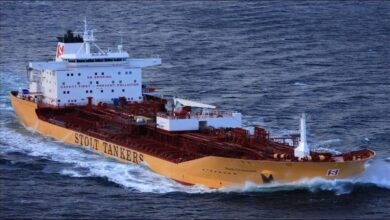
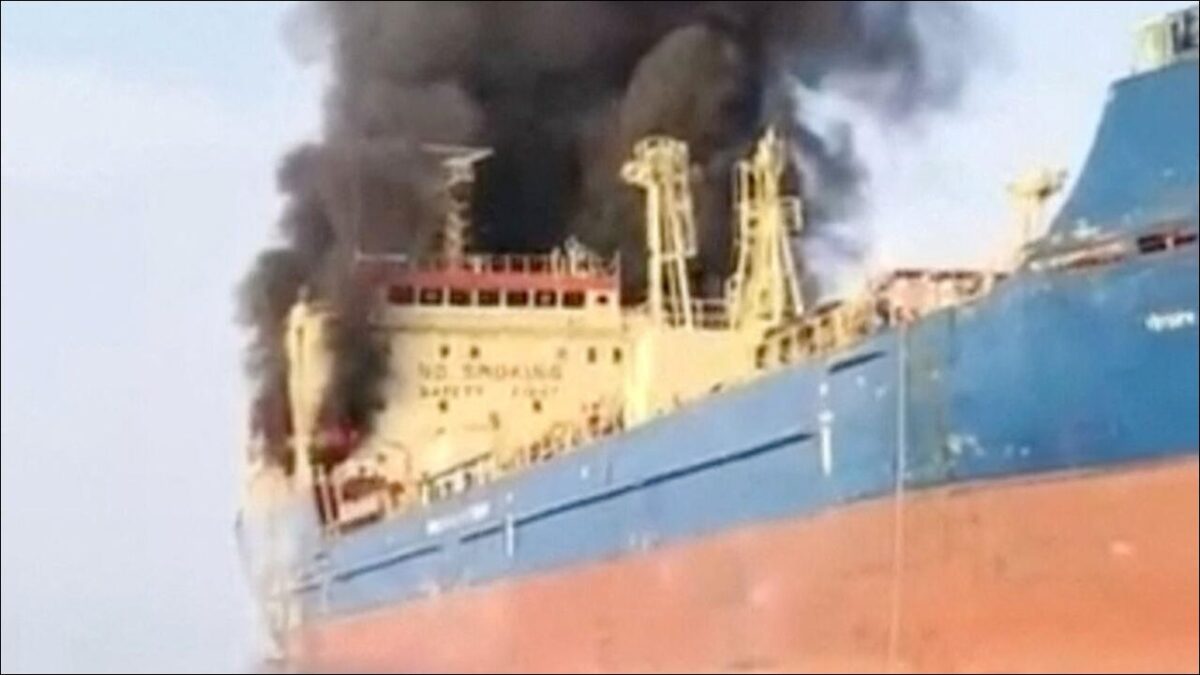
The attack on the Peninsula-chartered vessel serves as a stark reminder of the persistent threats in a region crucial for global trade. The Hercules Star, chartered by the renowned bunkering firm Peninsula from its sister company Hercules Tanker Management, was reportedly struck by an unknown projectile near Mina Saqr in the UAE. While the damage was fortunately minor and, crucially, no pollution occurred, the psychological and operational impact on tanker operations cannot be underestimated. The vessel’s crew, demonstrating remarkable professionalism and resilience, managed to navigate the tanker safely back to anchorage in Dubai, a testament to their training and courage in the face of danger. This rapid response minimized potential further risks, yet the underlying threat to maritime safety remains a primary concern for the entire shipping industry.
Details of the Incident: The Hercules Star Attack
On a quiet Sunday morning, the Hercules Star, a 7,998 DWT tanker essential for bunkering operations, became the latest casualty in the volatile waters near Mina Saqr, UAE. The vessel, integral to Peninsula’s extensive maritime logistics, reportedly sustained damage from an unidentified projectile. This event underscores the delicate balance of maritime security in a region riddled with geopolitical risks.
Representatives from Peninsula and Hercules Tanker Management swiftly confirmed the incident, reassuring stakeholders that the tanker’s crew remained safe and unharmed. Their composure and skill in an emergency situation allowed for the vessel’s secure return to its anchorage in Dubai. The quick assessment revealed only ‘minor damage,’ a fortunate outcome that prevented any environmental catastrophe, particularly avoiding oil spills or hazardous material releases.
This immediate return to port and the quick containment of the situation speak volumes about the stringent safety protocols and emergency preparedness of tanker operators like Peninsula. Despite the alarming nature of the Iranian attack, the integrity of the Hercules Star was maintained, and its operational recovery is anticipated to be swift. However, the incident highlights ongoing challenges for vessel operators navigating these critical international waterways.
The Broader Geopolitical Context: Rising Tensions in the Region
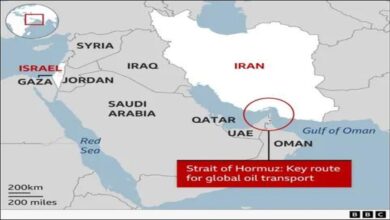
The attack on the Hercules Star is not an isolated event but rather a symptom of heightened geopolitical tensions in the Middle East. Occurring just days after reports of a broader conflict outbreak involving Iran, it contributes to a troubling pattern of maritime aggression in and around the Strait of Hormuz. This narrow choke point, through which a significant portion of the world’s oil supply passes, has historically been a flashpoint for international disputes and maritime threats.
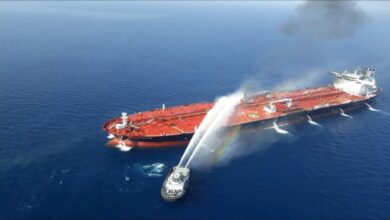
Numerous vessels have faced attacks in this critical waterway over recent years, ranging from drone strikes to limpet mine incidents, significantly increasing maritime risk for tanker shipping and other commercial traffic. These acts of aggression jeopardize energy security and stability across global supply chains, affecting nations far beyond the immediate region. The international community consistently monitors these maritime incidents, often calling for de-escalation and adherence to international law to ensure safe passage for all vessels.
Such continuous threats demand a coordinated international response, including enhanced naval patrols and intelligence sharing among nations dependent on secure shipping routes. The unpredictability of these maritime attacks necessitates robust risk management strategies from shipping companies, bunkering firms, and vessel operators alike. The goal remains to protect seafarers and maintain the free flow of global trade without succumbing to regional instability.
Impact on Maritime Security and Shipping Operations
The ripple effects of an Iranian attack on a Peninsula-chartered tanker extend far beyond the immediate damage. For the shipping industry, such incidents directly translate into increased insurance premiums for vessels transiting high-risk areas, a significant operational cost that can impact freight rates and, ultimately, consumer prices. Tanker operators are forced to re-evaluate shipping routes, potentially leading to longer transit times and higher fuel consumption, further straining global supply chains.
Maritime security protocols become more stringent, often requiring enhanced onboard security personnel or the implementation of advanced defensive measures, all contributing to the escalating cost of vessel operations. The constant threat to crew safety is perhaps the most profound impact, as seafarers face immense psychological pressure navigating these dangerous waters. This can lead to crew shortages, as some individuals may be hesitant to work on vessels in high-risk zones.
Moreover, the geopolitical uncertainty creates volatility in the oil markets and directly impacts the bunker fuel market. Bunkering firms like Peninsula must navigate these fluctuations, securing fuel supplies and managing prices amidst an unpredictable landscape. The incident underscores the fragility of maritime trade in the face of state-sponsored aggression and calls for a collective effort to reinforce international law and protect innocent commercial traffic from maritime threats.
Peninsula’s Response and Future Outlook for Tanker Operations
Following the Iranian attack on the Hercules Star, Peninsula has been quick to respond, prioritizing the safety and well-being of its crew above all else. The immediate return to Dubai anchorage and the transparent communication regarding the ‘minor damage’ underscore the company’s commitment to responsible vessel operations and transparency. Such swift action helps mitigate panic and stabilize perceptions within the shipping community and oil markets.
Looking ahead, Peninsula, like other leading bunkering firms and tanker operators, will undoubtedly intensify its risk assessment and maritime security protocols. This might include exploring alternative shipping routes, enhancing vessel hardening measures, or investing in advanced surveillance and communication technologies to better protect its tankers and their crews. The incident serves as a powerful catalyst for re-evaluating and strengthening operational resilience in volatile regions.
The long-term outlook for tanker operations in the Strait of Hormuz and surrounding waters will depend heavily on the broader geopolitical landscape. While the region remains indispensable for global oil trade, shipping companies will likely advocate for stronger international naval presence and diplomatic solutions to de-escalate tensions. Peninsula’s continued operations will be a testament to the resilience and adaptability required to navigate these complex maritime challenges, ensuring the continuity of global supply chains despite persistent maritime threats.
Economic Repercussions: Oil Markets and Global Supply Chains
The attack on the Peninsula-chartered tanker immediately sent ripples through oil markets, contributing to an already upward trend in prices. News of a tanker sustaining damage in a critical shipping lane near Iran naturally fuels speculation about potential supply disruptions, leading to an increase in crude oil prices – a phenomenon observed with oil hitting a six-month high in related reports. This volatility directly impacts global economies, raising concerns about energy security and consumer costs.
For the bunker fuel market, the implications are equally significant. With uncertainty surrounding shipping routes and the safety of vessel operations, the cost and availability of bunker fuel can become erratic. This directly affects shipping companies’ operating expenses, which are ultimately passed down through global supply chains to end-users. The ripple effect can be felt in everything from manufacturing costs to the price of goods on supermarket shelves.
These maritime incidents underscore the interconnectedness of global trade and geopolitical stability. Any threat to the free flow of maritime commerce, especially in critical choke points like the Strait of Hormuz, has far-reaching economic consequences. Governments and international bodies are often compelled to intervene, not only for maritime security but also to mitigate the economic fallout and protect global energy security from escalating maritime threats.
Ensuring Crew Safety and Vessel Integrity
The exemplary conduct of the Hercules Star’s crew highlights the paramount importance of comprehensive maritime safety training and robust emergency protocols. In the face of an Iranian attack, their ability to calmly assess the situation, secure the vessel, and safely return to Dubai anchorage prevented a potentially catastrophic outcome. This incident serves as a crucial case study for the shipping industry, emphasizing that investing in seafarer welfare and advanced training is not just a regulatory requirement, but an absolute necessity for vessel integrity and human safety.
Tanker operators and bunkering firms are continuously seeking ways to enhance the physical security of their vessels. This includes implementing better communication systems, advanced vessel tracking capabilities, and potentially physical hardening of vital areas on the tankers. The goal is to provide maximum protection against maritime threats, whether from projectiles, piracy, or other forms of aggression, ensuring that vessels can withstand impacts and maintain operational functionality.
Beyond technological and structural enhancements, the human element remains central to maritime security. Regular drills and realistic simulations prepare seafarers for emergencies, fostering quick decision-making and coordinated responses. International maritime organizations also play a vital role in advocating for crew welfare and establishing guidelines for safe passage in high-risk zones, ensuring that the men and women who keep global trade moving are adequately protected against the growing array of maritime incidents.
The Path Forward: Navigating Risks in Critical Waterways
The Iranian attack on the Peninsula-chartered tanker reinforces the urgent need for a multifaceted approach to maritime security in politically charged waterways. Mitigating these pervasive maritime risks requires sustained international cooperation, including enhanced intelligence sharing among nations, increased naval presence to deter aggression, and robust diplomatic engagement to de-escalate regional tensions. The long-term stability of shipping lanes through the Strait of Hormuz hinges on these collective efforts.
The shipping industry must also continue to evolve, adopting advanced technologies and refining risk management strategies to safeguard vessel operations. This includes leveraging AI for predictive analysis of maritime threats, utilizing sophisticated surveillance systems, and promoting secure data sharing among relevant stakeholders. Such proactive measures are essential for ensuring the safe passage of tankers and other commercial vessels, protecting valuable cargo and, most importantly, the lives of seafarers.
Ultimately, the incident serves as a compelling call to action for all stakeholders in global trade and maritime security. From bunkering firms to international governing bodies, a unified commitment to upholding international law and protecting freedom of navigation is paramount. Only through sustained vigilance, innovation, and diplomacy can the global supply chains remain resilient against the evolving landscape of maritime aggression and ensure that incidents like the Hercules Star attack become rarer, rather than more frequent, occurrences.