Panama Takes Over Key Ports in US-China Canal Rivalry | Mariner News
In a seismic shift reverberating through the global maritime industry, Panama has officially seized control of two strategically vital ports, Balboa and Cristobal, from a Hong Kong-based conglomerate, CK Hutchison. This audacious move unfolds against a backdrop of intensifying U.S.-China rivalry for influence over the crucial Panama Canal, a linchpin of international trade. The primary keyword, Panama ports, immediately highlights the focal point of this developing saga, signaling a significant geopolitical chess match with profound implications for global commerce and supply chains. The decision, culminating from a protracted legal battle, represents a victory for Washington’s efforts to curb Beijing’s growing footprint in strategic global maritime infrastructure, particularly around the indispensable Panama Canal dispute. This action by Panama not only redefines its relationship with a long-standing port operator but also casts a long shadow over future international port concessions and the delicate balance of power on the world’s waterways.
The Heart of the Conflict: Panama Ports and Concessions Under Scrutiny
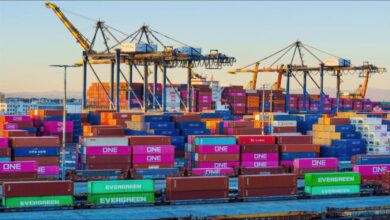
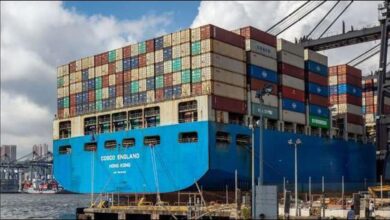
The narrative begins with CK Hutchison, through its subsidiary Panama Ports Company (PPC), which had operated the Balboa and Cristobal terminals near the Panama Canal for nearly three decades. These terminals are not merely commercial hubs; they are strategic gateways for international shipping, facilitating the movement of countless containers, dry cargo, and liquid bulk across the Americas and beyond. The long-term concession agreements were seen by many as foundational to the smooth functioning of the canal’s Pacific and Atlantic entrances.
However, the legal landscape shifted dramatically when Panama’s Supreme Court, in a ruling issued in late January and officially published in February, finalized the annulment of these crucial port concessions. This decision effectively stripped CK Hutchison of its operational rights, accusing the company of various breaches of contract and failure to meet investment obligations. The move by the Panamanian authorities was swift, with reports indicating threats of criminal prosecution against employees who defied orders to vacate the facilities, underscoring the high stakes involved in this legal battle.
Following the annulment, Panama wasted no time in granting temporary licenses to two of the world’s largest shipping companies: the Danish giant Maersk and the Geneva-based Mediterranean Shipping Company (MSC). This move introduces new players into the management of these critical Panama Canal terminals, raising questions about future operational strategies and competitive dynamics. CK Hutchison has vehemently declared Panama’s actions “unlawful,” vowing to pursue national and international legal action against the country, setting the stage for a protracted and complex legal showdown that could reverberate through international arbitration courts and potentially influence future agreements regarding global maritime industry infrastructure.
Geopolitical Currents: US-China Rivalry in the Panama Canal
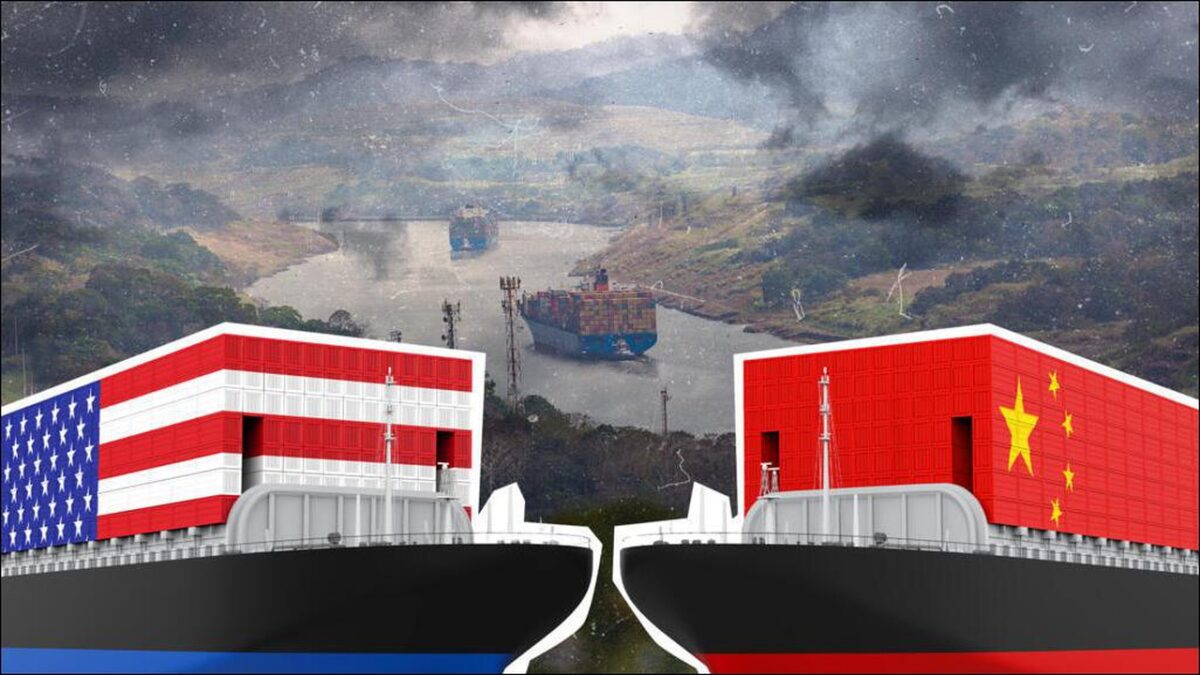
The seizure of these Panama ports is not an isolated event but rather a direct manifestation of the escalating US-China rivalry for global influence, particularly concerning critical trade arteries. The Panama Canal, connecting the Atlantic and Pacific oceans, is a choke point for global trade, especially for container shipping. Both Washington and Beijing recognize its immense strategic value, making control or influence over its adjacent infrastructure a paramount concern.
For the United States, the presence of a Chinese-affiliated company, CK Hutchison, operating key ports at both ends of the canal has long been a source of unease. Washington has consistently advocated for curbing Chinese influence over the Panama Canal, viewing it as a potential national security risk and a challenge to its long-standing dominance in the Western Hemisphere. The Trump administration, in particular, has been vocal about countering China’s burgeoning global infrastructure initiatives, often referred to as the Belt and Road Initiative, which includes significant investments in ports worldwide. The port seizure thus marks a significant win for US foreign policy objectives in the region.
China, on the other hand, views its investments and operational involvement in global ports as crucial for securing its global trade routes and supply chains. Its increasing economic might has been accompanied by a strategic expansion of its maritime footprint, sparking concerns in Western capitals about dual-use capabilities and potential geopolitical leverage. The loss of these strategic assets in Panama represents a setback for Beijing’s maritime strategy, potentially forcing a reassessment of its approach to securing overseas infrastructure projects in the face of heightened international scrutiny and competition. This ongoing contest highlights the intersection of economic interests, national security, and geopolitical maneuvering on a global scale.
Implications for Global Shipping and Supply Chains
The abrupt change in the management of the Balboa and Cristobal Panama ports will undoubtedly send ripples across the global shipping and logistics sectors. These terminals are crucial transshipment points, vital for the efficient movement of goods from Asia to the U.S. East Coast and Europe. The entry of Maersk and MSC, two behemoths in the container shipping industry, suggests a potential shift in operational efficiencies and service offerings at these critical junctures. Their extensive networks and experience could lead to streamlined operations, but also to increased competitive pressure among carriers.
In the immediate term, the transition could pose minor disruptions, but the larger concern lies in the potential for long-term instability in maritime commerce if the legal disputes drag on. Shippers and cargo owners rely on predictable and reliable port operations. Any uncertainty surrounding port management, tariffs, or labor relations could prompt companies to explore alternative shipping routes or re-evaluate their supply chain strategies, potentially impacting transit times and costs. The smooth functioning of the Panama Canal is paramount for global supply chain resilience, making this port development a closely watched event for logistics professionals worldwide.
Furthermore, the involvement of Maersk and MSC, who are significant users of the Panama Canal, could lead to more integrated operations between the canal authority and the port operators. This could foster greater efficiency but also raise questions about competition and potential favoritism. The port operations at Balboa and Cristobal are intrinsically linked to the canal’s overall capacity and efficiency, and any changes in their management directly influence the flow of international trade. This development underscores the interconnectedness of port infrastructure, major shipping lines, and the health of global supply chain networks.
The Legal Labyrinth: CK Hutchison’s Challenge and Panama’s Stance
The legal battle initiated by CK Hutchison against the Panamanian authorities is poised to be a complex and precedent-setting case. The Hong Kong conglomerate maintains that Panama’s decision to cancel the port contracts and grant temporary licenses to competitors was “unlawful.” Their arguments likely hinge on the sanctity of international investment agreements, due process, and the protection of foreign assets. The threat of criminal prosecution against its employees, as stated by CK Hutchison, adds another layer of contention to an already volatile situation, portraying Panama’s actions as overly aggressive and potentially coercive. This legal challenge will test the robustness of international investment law and Panama’s sovereign rights.
Panama, conversely, will likely justify its actions by citing alleged breaches of contract by PPC, possibly related to unmet investment obligations, operational deficiencies, or non-compliance with local regulations. The publication of the Supreme Court ruling in the official gazette finalizes the legal annulment under Panamanian law, providing a domestic legal basis for their actions. The country’s stance emphasizes its right to control its sovereign assets and ensure that vital infrastructure serves national interests, especially in the context of a strategic national asset like the Panama Canal.
This high-profile legal dispute could unfold in various forums, including the International Centre for Settlement of Investment Disputes (ICSID) or other international arbitration bodies, which have the power to award significant damages. The outcome will not only determine the financial fate of CK Hutchison’s investment but also set a significant precedent for other nations contemplating similar actions regarding port concessions and foreign investments in critical infrastructure. It could reshape the landscape of international commercial arbitration and highlight the risks associated with long-term infrastructure contracts in politically sensitive regions, especially when geopolitical tensions run high.
Looking Ahead: The Future of Panama’s Ports and Trade Dynamics
The seizure of the Balboa and Cristobal Panama ports marks a watershed moment in the nation’s history and its role in global maritime affairs. The transition of these critical port operations to new management, particularly with Maersk and MSC now holding temporary licenses, signals a new era for the Panama Canal and the broader maritime industry. The long-term control and management of these terminals will be pivotal in determining Panama’s future as a global logistics hub, shaping its economic trajectory and its standing on the international stage. Will this lead to greater efficiency and investment, or will the ongoing legal battles create prolonged uncertainty?
This event also underscores the increasing weaponization of economic and strategic assets in the context of geopolitical implications. The US-China rivalry is no longer confined to diplomatic rhetoric or trade tariffs; it is playing out directly in the control of critical infrastructure like global trade routes and vital waterways. The outcome of Panama’s bold move will be closely watched by nations worldwide, as it could inspire similar actions in other strategic locations where foreign entities operate key national assets. This could trigger a reassessment of international investment strategies and national sovereignty in an increasingly interconnected and competitive world.
Ultimately, the future of the Panama Canal dispute and its associated port assets remains dynamic. While Panama asserts its sovereignty, the international legal challenges and the strategic interests of global powers will continue to exert influence. The imperative for smooth, efficient, and secure shipping routes through the canal for the benefit of global supply chains remains. This development serves as a powerful reminder of how local legal disputes can quickly escalate into international geopolitical confrontations, fundamentally reshaping the contours of global trade and power dynamics for years to come.