Panama Revokes CK Hutchison Port Deal, Maersk Poised | Mariner News
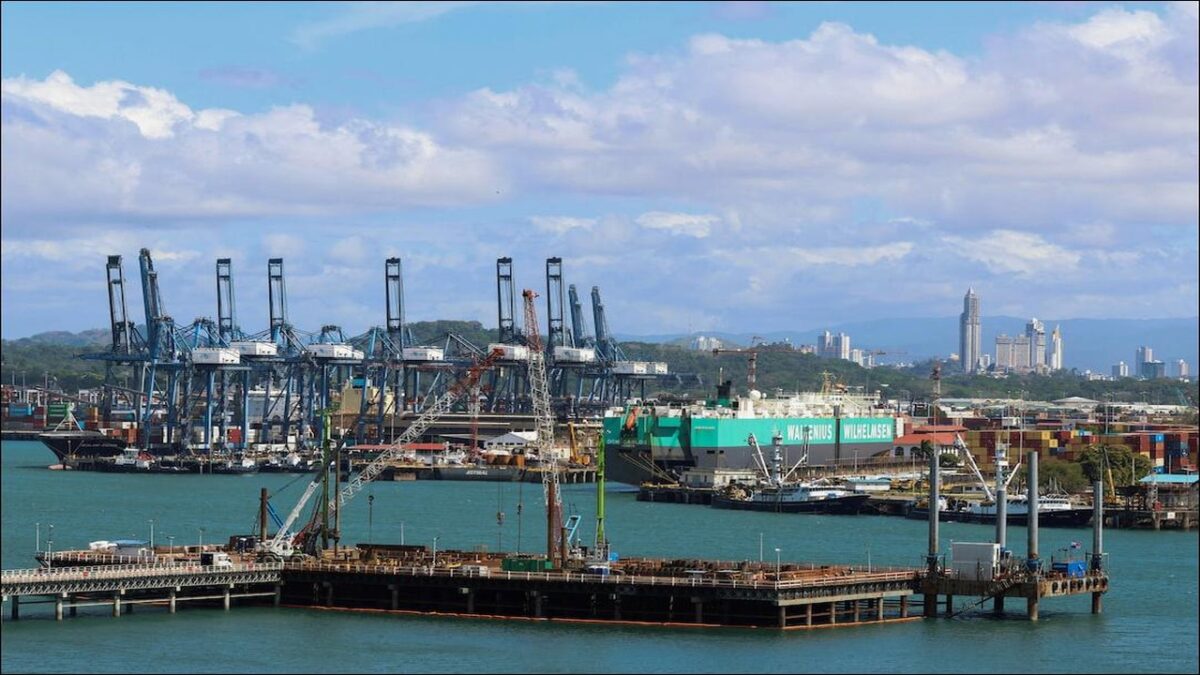
Panama has officially taken a monumental step, fundamentally reshaping the landscape of its crucial maritime infrastructure. In a move that sends significant ripples through the global shipping industry, the nation has formally revoked the long-standing port concessions held by CK Hutchison, a Hong Kong-based conglomerate, for the strategic Balboa and Cristobal terminals. This pivotal decision, finalized through a Supreme Court ruling published in the official gazette, effectively clears the path for Maersk’s APM Terminals to potentially step in, signaling a new era for these vital gateways at either end of the iconic Panama Canal. The cancellation of these Panama port concessions, which CK Hutchison’s subsidiary Panama Ports Company (PPC) had operated for over two decades, marks the culmination of a protracted legal and political process.
This development is not merely a bureaucratic formality; it’s a strategic realignment with profound implications for international trade and logistics. The Balboa and Cristobal ports are not just any terminals; they are critical choke points in global supply chains, handling vast quantities of container shipping traffic transiting the Panama Canal. The Panama Maritime Authority (AMP) has moved swiftly, taking possession of both ports by decree to guarantee the uninterrupted flow of operations, underscoring the national importance of these assets. Alberto Aleman Zubieta, head of the technical transition team, confirmed the AMP’s proactive measures, ensuring stability amidst this significant change. The future management of these essential facilities is now a subject of intense interest across the maritime world, with Maersk’s APM Terminals positioned to play a crucial role in their next chapter.
The Long-Awaited Decision: Unpacking Panama’s Port Ruling
The formal annulment of the Panama port concessions for Balboa and Cristobal terminals came to a definitive close with the Supreme Court ruling’s publication. This ruling brings an end to a period of uncertainty surrounding the contracts held by Panama Ports Company (PPC), a key subsidiary of Hong Kong’s CK Hutchison. For more than two decades, PPC had been the operator of these strategically important facilities, integral to the smooth functioning of global maritime logistics and the efficiency of the Panama Canal’s East and West coasts. The decision reflects Panama’s sovereign right to manage its critical infrastructure, particularly those assets that are fundamental to its economy and its standing in the international shipping arena.
The initial announcement of this intention by Panamanian President Jose Raul Mulino earlier in February set the stage for this week’s official confirmation. The government’s determination to formalize an agreement with APM Terminals, a subsidiary of the global shipping giant Maersk, signals a deliberate shift in port management strategy. This move is not without precedent in the complex world of international concession agreements but highlights Panama’s commitment to optimizing its port operations for national benefit and global trade efficiency. The legal process, while lengthy, underscores the rigorous due diligence undertaken to ensure the transition is legally sound and economically beneficial for the nation.
Furthermore, the Panama Maritime Authority (AMP) is taking a hands-on approach to ensure seamless continuity. Two distinct contracts are being presented to the AMP’s Board of Directors—one for the Port of Balboa and another for the Port of Cristobal—a departure from the single, unified contract previously held. This individualized approach might allow for more tailored management strategies for each port, potentially enhancing operational efficiency and capacity. The transparency and meticulousness with which the AMP is handling this transition are crucial for maintaining confidence among international shipping lines and ensuring that the annulment of the CK Hutchison concessions does not disrupt the critical services provided by these terminals.
Maersk’s Strategic Entry: APM Terminals on the Horizon
The impending involvement of Maersk’s APM Terminals in managing the Balboa and Cristobal ports marks a significant strategic coup for the Danish shipping behemoth. APM Terminals is one of the largest container terminal operators in the world, with a vast network of facilities strategically located across major trade routes. Gaining control, even temporarily, of these critical access points to the Panama Canal would further solidify Maersk’s already dominant position in global logistics and container shipping. For Maersk, this isn’t just about managing ports; it’s about integrating port operations more deeply into its end-to-end supply chain solutions, potentially offering unparalleled efficiency and cost savings to its customers.
The strategic importance of the Balboa and Cristobal ports to Maersk cannot be overstated. These terminals serve as vital transshipment hubs for goods moving between the Atlantic and Pacific oceans, connecting North and South America with Asia and Europe. For a company like Maersk, which operates one of the world’s largest container fleets, having direct or indirect control over these gateways provides immense leverage. It allows for greater operational control, improved vessel turnaround times, and the ability to optimize cargo flow, all of which are critical competitive advantages in the fiercely competitive global shipping industry. The potential to enhance intermodal connections and streamline cargo handling at these pivotal locations could yield substantial benefits.
While Maersk did not immediately offer comment on the matter, the proactive statements from Panamanian officials signal a strong intent to formalize the agreement. This potential partnership aligns with Maersk’s broader strategy of investing in terminal infrastructure to enhance its integrated logistics offerings. For Panama, partnering with a global leader like Maersk’s APM Terminals could bring state-of-the-art technology, operational best practices, and significant investment into the ports, potentially boosting their competitiveness and efficiency on the world stage. This could lead to an upgrading of facilities, improved cargo handling capabilities, and a more robust ecosystem for the Panama Canal shipping corridor, ultimately benefiting global trade flows and strengthening Panama’s position as a maritime hub.
Impact on Panama Canal Shipping and Global Trade
The cancellation of the CK Hutchison concessions and the likely entry of Maersk’s APM Terminals will undoubtedly have a profound impact on Panama Canal shipping and broader global trade dynamics. The Panama Canal is a linchpin of international commerce, and the efficiency of its feeder ports is paramount to its overall performance. A change in management at Balboa and Cristobal could lead to shifts in operational philosophies, potentially influencing port charges, service levels, and the overall competitiveness of the Canal route for shipping lines. For carriers, consistent and efficient port operations are critical for maintaining schedules and optimizing vessel utilization.
This transition offers both opportunities and challenges for the maritime industry. On one hand, a new operator with the global reach and technological prowess of APM Terminals could introduce innovations, streamline processes, and enhance capacity at Balboa and Cristobal. This could translate into faster turnaround times for vessels, reduced congestion, and improved reliability for supply chains. Such improvements would reinforce the Panama Canal’s appeal as a vital East-West maritime corridor. On the other hand, any transition period inherently carries risks of disruption, and stakeholders will be closely watching to ensure that the handover is smooth and that there are no adverse effects on the flow of goods.
Furthermore, the competitive landscape in the region could also see adjustments. Other port operators in the Caribbean and Central America, vying for transshipment business, will be observing these developments closely. An enhanced operational model at Panama’s ports under APM Terminals could either draw more traffic to the region or intensify competition, depending on the specifics of the new agreements and service offerings. Ultimately, the successful management of these ports under new stewardship is crucial not just for Panama’s economic interests, but for the fluidity and resilience of global supply chains that rely heavily on the Panama Canal as a strategic shortcut. This realignment could pave the way for a more integrated and efficient logistics network for shipping lines worldwide.
The Legal Battle and its Resolution: A Timeline of Events
The decision to cancel the Panama port concessions held by CK Hutchison’s PPC was not an overnight one but the culmination of a complex legal and regulatory journey spanning several years. The original concession agreements, dating back decades, had become a point of contention for various reasons, including disagreements over revenue sharing, investment commitments, and the strategic control of national assets. Such long-term contracts in dynamic industries like shipping often come under scrutiny as economic conditions and national priorities evolve. The Panamanian government’s push to reassess these agreements reflects a broader trend among nations to ensure that key infrastructure serves national interests optimally.
Reports of disputes and negotiations regarding the terms of the concession agreements had surfaced periodically over the years. These often centered on the perceived under-utilization of port capacity, the need for modernization, or questions regarding the equitable distribution of profits generated from these highly lucrative operations. For Panama, control over its canal-adjacent ports is not just an economic matter but also one of national sovereignty and strategic importance. The Supreme Court ruling signifies the legal finality of these discussions, effectively closing the chapter on CK Hutchison’s direct operational involvement at Balboa and Cristobal terminals. This legal resolution provides the clarity needed to move forward.
The publication of the ruling in the official gazette serves as the definitive legal act, making the annulment official and indisputable. This meticulous adherence to legal procedures is vital for maintaining international confidence and ensuring that any subsequent agreements, particularly with a global entity like Maersk’s APM Terminals, are built on a solid legal foundation. The government’s determination to follow through with the legal annulment, despite the potential complexities involved in unwinding such significant contracts, highlights the strategic imperative Panama places on regaining full control and optimizing the management of these crucial maritime gateways. This meticulous legal process ensures a legitimate and recognized transition for one of the world’s most vital maritime infrastructure assets.
Future Outlook: Opportunities and Challenges for Panama’s Ports
The future under Maersk’s APM Terminals for the Balboa and Cristobal ports holds a wealth of opportunities, coupled with inherent challenges. The primary opportunity lies in the potential for significant investment and modernization. APM Terminals, known for its technological prowess and operational efficiency, could introduce advanced automation, enhance digital integration, and upgrade existing infrastructure to meet the demands of larger vessels and increasing container volumes. This would not only boost the ports’ throughput capacity but also improve their overall competitiveness in the fiercely contested global transshipment market. Such enhancements are crucial for Panama to maintain its edge as a premier maritime hub.
However, the transition also presents challenges. The immediate task for the Panama Maritime Authority (AMP) and any incoming operator will be to ensure a seamless handover of operations without any disruption to the critical services provided. Managing the workforce transition, integrating new operational systems, and maintaining high levels of security and efficiency will require careful planning and execution. Additionally, Panama will need to navigate the complexities of securing long-term agreements that are mutually beneficial, attracting sustained foreign direct investment while ensuring that national interests and revenue generation are maximized. The delicate balance between attracting international expertise and safeguarding national strategic assets is paramount.
Looking further ahead, the long-term success of these ports under new management will depend on several factors, including global trade growth, the evolving dynamics of shipping alliances, and Panama’s ability to adapt its regulatory framework to support innovation. The strategic location of the Balboa and Cristobal terminals, flanking the Panama Canal, provides an inherent advantage. With robust management, continuous investment, and a forward-thinking approach, these ports could further solidify Panama’s role as a linchpin in global maritime logistics. The reorientation of these critical Panama port concessions could unlock new avenues for economic development and strengthen the nation’s position at the heart of international shipping routes for decades to come, ensuring Panama remains a pivotal player in the global movement of goods.