Orlen Expands LNG Carrier Fleet with Two New Vessels | Mariner News
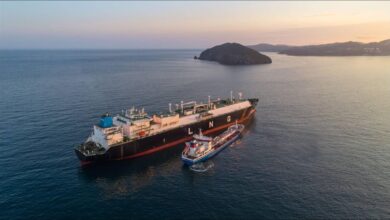
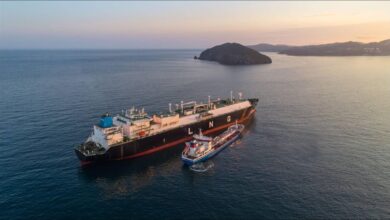
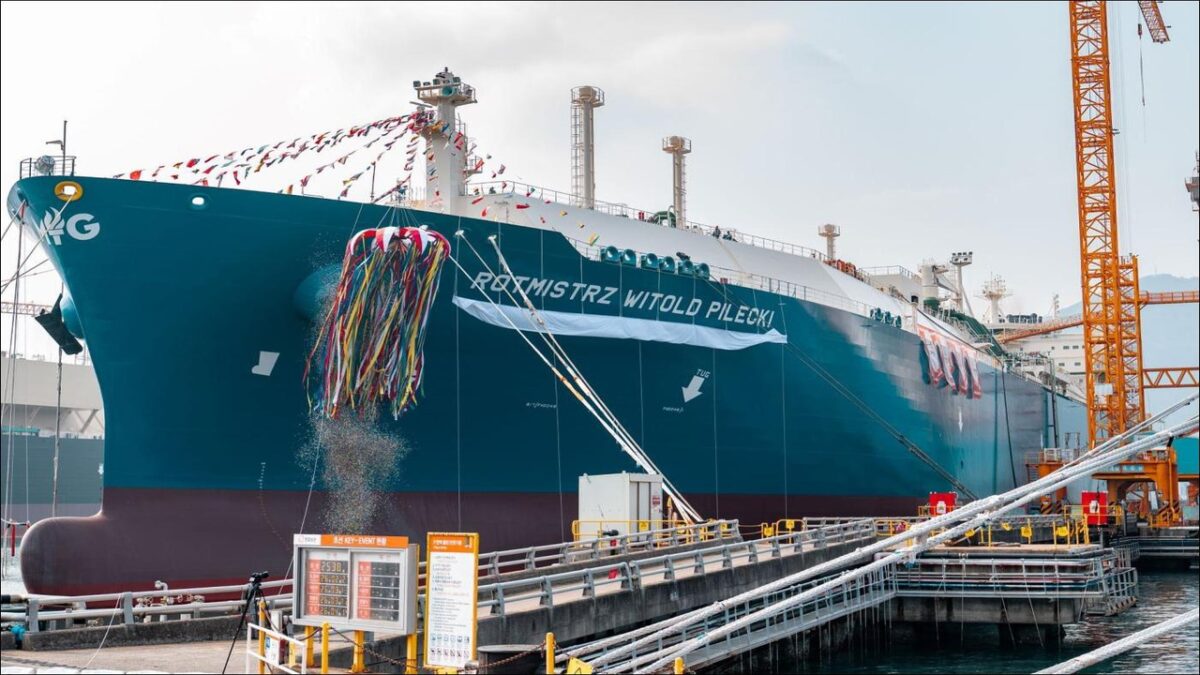
Orlen, the prominent Polish energy conglomerate, has significantly bolstered its maritime capabilities with the addition of two state-of-the-art LNG carriers to its growing fleet. This strategic expansion marks a pivotal moment for the company, solidifying its position in the global natural gas transport sector and reinforcing Poland’s energy security. The new vessels, named Danuta Siedzikówna-Inka and Rotmistrz Witold Pilecki, represent Orlen’s commitment to modernizing its logistics infrastructure and ensuring a reliable supply of liquefied natural gas (LNG).
This latest acquisition brings Orlen’s dedicated LNG fleet to an impressive eight vessels, underscoring a rapid and determined investment in specialized maritime assets. Each of the newly delivered carriers boasts a substantial capacity of 174,000 cubic meters, equating to approximately 70,000 metric tons of LNG per voyage. Such significant capacity enhancements are critical for efficient and cost-effective bulk shipping of natural gas, a cornerstone of contemporary energy markets. The integration of these advanced LNG carriers into Orlen’s operations is expected to streamline its supply chain, reduce reliance on third-party shipping, and provide greater control over its energy import routes, ultimately benefiting consumers and industrial users across the region.
The investment in a robust LNG carrier fleet is a direct response to the evolving geopolitical landscape and the increasing demand for diversified energy sources. By expanding its capacity for natural gas transport, Orlen is not only securing its own energy needs but also contributing to the broader European energy independence agenda. The careful naming of these vessels, honoring Polish national heroes, further emphasizes the strategic importance and national pride associated with these crucial assets. This move positions Orlen as a key player in the maritime gas logistics industry, demonstrating a forward-thinking approach to global energy challenges.
Advanced Technology Driving Efficiency and Sustainability in LNG Shipping
The two new LNG carriers joining Orlen’s fleet are not merely additions in terms of volume but also represent a leap forward in maritime technology and operational efficiency. Central to their advanced design are the dual-fuel engines, a cutting-edge feature that allows the vessels to operate flexibly on both LNG and conventional marine fuels. This dual-fuel capability is a significant advantage, offering environmental benefits by reducing emissions when running on natural gas, which burns cleaner than traditional heavy fuel oils. It also provides operational flexibility, allowing the ships to adapt to fuel availability and pricing fluctuations across different ports and routes, thereby optimizing voyage costs and enhancing their competitive edge in the global shipping market.
Beyond the propulsion system, these modern LNG carriers incorporate a suite of sophisticated technologies aimed at maximizing performance and minimizing environmental impact. One notable innovation is the reliquefaction system, which is designed to recover the boil-off gas – the LNG that naturally evaporates during transit due to changes in temperature and pressure. By reliquefying this gas and returning it to the cargo tanks, the system significantly reduces cargo loss, maximizes the amount of LNG delivered, and prevents the release of methane into the atmosphere, aligning with stricter environmental regulations and promoting more sustainable shipping practices. This closed-loop system is a testament to the industry’s drive towards greener maritime solutions.
Integrated power management systems further enhance the operational intelligence of the vessels. These systems optimize energy consumption across various onboard functions, from propulsion to auxiliary services, ensuring that power is utilized as efficiently as possible. The combination of dual-fuel engines, reliquefaction technology, and smart power management contributes to lower operational costs, improved fuel efficiency, and a reduced carbon footprint, making these LNG carriers exemplary models for future developments in maritime energy transport. Orlen’s commitment to adopting such advanced solutions underscores its dedication not only to robust energy supply but also to responsible environmental stewardship within the shipping industry.
Bolstering Poland’s Energy Security Through Maritime Logistics
Orlen’s expansion of its LNG carrier fleet is a critical component of Poland’s broader strategy to enhance its national energy security and diversify its energy supply sources. For years, Europe has sought to reduce its reliance on pipeline natural gas from single suppliers, and the ability to import LNG via sea lanes has become paramount. By controlling more of its own natural gas transport infrastructure, Orlen directly contributes to this strategic objective, providing a flexible and resilient supply chain that is less susceptible to geopolitical pressures and disruptions.
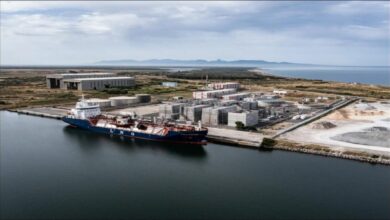
This investment ensures that Poland can reliably source LNG from various global producers, accessing markets like the United States, Qatar, and other growing export hubs. The increased capacity of the Orlen LNG fleet means that larger volumes of liquefied natural gas can be imported more frequently and efficiently, guaranteeing a steady flow to Polish regasification terminals such as the one in Świnoujście. This enhanced logistical capability acts as a vital safeguard, stabilizing domestic energy markets and providing a buffer against potential supply shocks, which is crucial for both industrial operations and residential consumption.
Moreover, the establishment of a robust maritime logistics network for natural gas positions Poland as a key energy hub in Central and Eastern Europe. With a strengthened ability to handle and transport significant quantities of LNG, Orlen facilitates not only domestic consumption but also the potential for re-exporting natural gas to neighboring countries, thereby increasing regional energy cooperation and stability. This strategic foresight transforms Orlen from a mere consumer of energy transport services into a significant player actively shaping the European natural gas supply landscape, with a direct and positive impact on national and regional energy independence.
The Global Impact of Growing LNG Fleets and Future Outlook
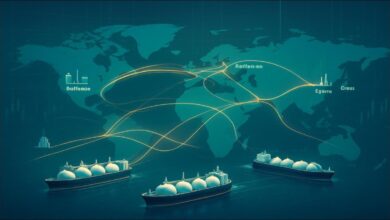
The trend of expanding LNG carrier fleets, exemplified by Orlen’s recent acquisitions, reflects a significant shift in global energy dynamics. As the world transitions towards cleaner energy sources, natural gas is increasingly viewed as a crucial bridge fuel, necessitating robust and efficient maritime transport solutions. The global demand for LNG continues to surge, driven by industrial growth, power generation, and residential heating needs, particularly in regions striving to reduce carbon emissions from coal and oil. This sustained demand is fueling massive investments in LNG production facilities, export terminals, and, consequently, the specialized vessels required for its long-distance transport.
The global shipbuilding industry is witnessing a boom in orders for LNG carriers, with a strong emphasis on larger capacities and environmentally friendly designs. The technological advancements seen in Orlen’s new vessels, such as dual-fuel propulsion and reliquefaction systems, are becoming industry standards, pushing the envelope for sustainable shipping. This widespread adoption of cutting-edge technology not only improves the economic viability of LNG transport but also aligns with international maritime regulations aimed at decarbonizing the shipping sector. As more nations commit to climate goals, the demand for such advanced vessels will only intensify, fostering further innovation and investment in the maritime gas industry.
For companies like Orlen, strategic fleet expansion is not just about meeting current demand but also about positioning themselves for future energy markets. The ability to manage a significant portion of their own LNG supply chain provides a competitive advantage, allowing for greater control over operational costs, scheduling, and risk mitigation. This proactive approach ensures resilience in a volatile global energy landscape and enables Orlen to capitalize on emerging opportunities in the international gas trade. The ongoing growth of LNG fleets worldwide signals a long-term commitment to natural gas as a vital component of the global energy mix, with maritime transport playing an indispensable role in its distribution. The integration of these advanced vessels into Orlen’s operations further solidifies its standing as a leader in comprehensive energy logistics, ready to navigate the complexities and opportunities of the evolving global energy transition.