Oil Prices Flat: Iran Conflict Fears vs. Hopes | Mariner News
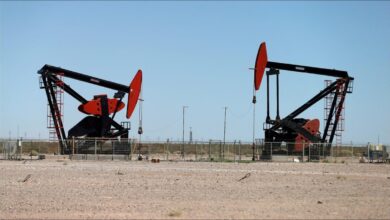
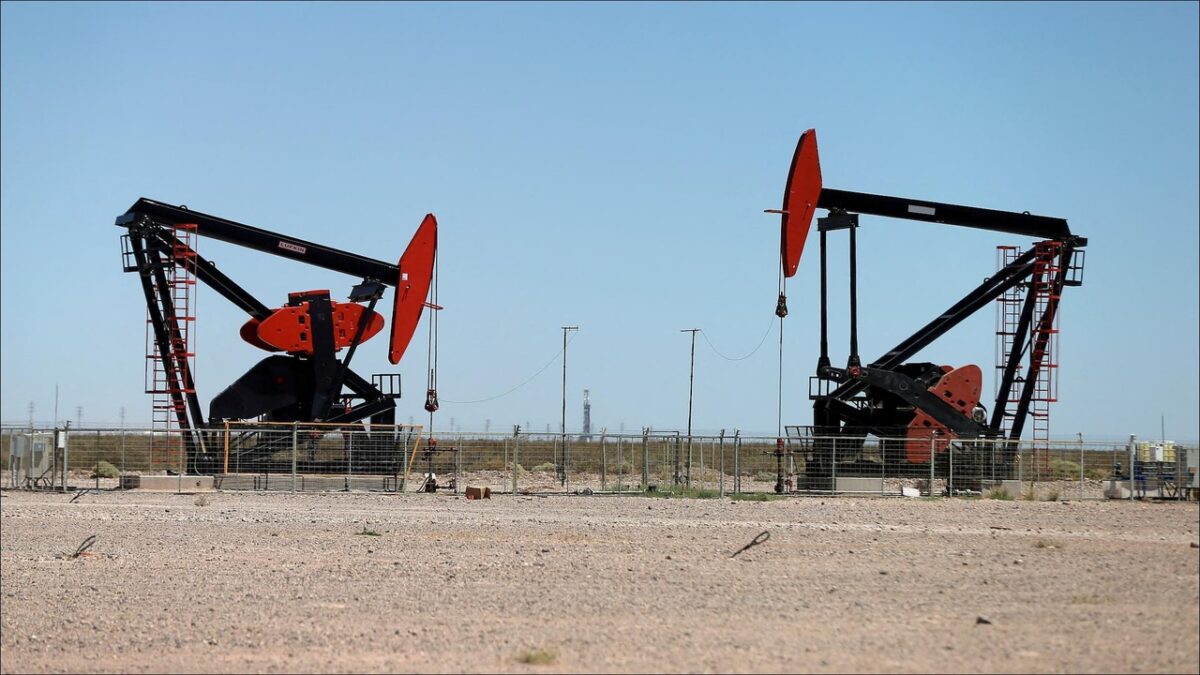
The global oil market currently finds itself in a precarious state, with oil prices remaining surprisingly flat despite escalating geopolitical tensions surrounding the US-Iran conflict. This apparent stagnation masks a profound internal battle within market sentiment: deep-seated fears of a prolonged “forever war” clash directly with optimistic hopes for an early resolution. While crude oil has sustained its highest levels in over a year, daily price movements reflect this intense tug-of-war. The stakes are incredibly high, influencing everything from daily commutes to international trade and energy supply security, underscoring the delicate balance defining modern global energy markets.
Geopolitical Tensions and Global Oil Supply Dynamics
The recent escalation between the United States and Iran has ignited significant concerns across global energy markets. Initial military actions are limited, but wider regional destabilization remains a primary worry for investors. This conflict, marked by strikes and counter-strikes, introduces unprecedented uncertainty regarding oil supply continuity. Pundits draw parallels to past regional conflicts, reminding stakeholders of global supply line fragility and immediate petroleum impact.
Analysts closely monitor rhetoric and actions for clues about the conflict’s trajectory. The “forever war” scenario suggests protracted, intermittent conflict, consistently introducing supply premiums and keeping oil prices elevated. Conversely, an “early end,” perhaps diplomatic, offers hope that market fundamentals might reassert themselves over geopolitical fear. This oscillating sentiment keeps Brent and WTI crude benchmarks from making decisive moves, despite underlying tensions and potential for maritime trade disruption.
Market Volatility and Crude Oil Futures: The $100 Barrel Debate
Despite relatively flat daily oil prices, the market is far from calm. Volatility remains exceptionally high, driven by conflicting narratives of war and peace. Brent crude hovers around $81-$82 per barrel, while West Texas Intermediate (WTI) sees slight upticks, near $74-$75. These figures are snapshots; the real story lies in expert predictions that could propel prices significantly higher. Analysts like Jordan Rizzuto warn of “potential [for] long-lasting energy-supply disruption,” a factor easily pushing crude oil past psychological barriers.
Indeed, the specter of $100 per barrel oil prices looms large. Nikos Tzabouras highlights critical factors: a potential US campaign, Iran’s aim to regionalize the conflict, and the effective shutdown of the crucial Strait of Hormuz chokepoint. These, he argues, could overturn supply-demand dynamics, pushing crude oil higher and bringing the $100 threshold into view. Investment banks like Bernstein and Macquarie Group have already adjusted forecasts, envisioning prices soaring to $120-$150 in extreme, prolonged conflict scenarios, underscoring serious economic fallout and the significant risk premium in petroleum trading.
The Critical Role of the Strait of Hormuz in Global Energy Shipping
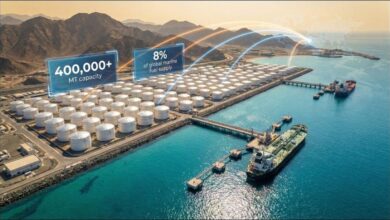
Central to fears of energy-supply disruption is the Strait of Hormuz, a narrow maritime chokepoint connecting the Persian Gulf with the Arabian Sea. This waterway is arguably the world’s most vital oil transit point, with an estimated 20-30% of global seaborne traded crude oil passing through daily. Any significant impediment would have immediate, catastrophic consequences for global energy markets. Iran’s past threats and recent rhetoric regarding regionalizing the conflict naturally cause extreme alarm within shipping and energy sectors.
The vulnerability of this strategic maritime passage means even a perceived threat sends shockwaves, driving up insurance costs for oil tankers and creating logistical nightmares. A full closure, or substantial delays, would severely limit oil availability from major producers like Saudi Arabia and Iraq, impacting global supply chains, manufacturing, and consumer prices. Shipping and maritime trade companies contingency plan for alternative routes; viable options are limited and costly. This underscores the inextricable link between geopolitical stability and efficient flow of vital energy commodities, making protection of this chokepoint paramount for energy security.
Economic Repercussions of Prolonged Conflict on Global Energy Markets
The economic implications of a protracted US-Iran conflict, particularly one impacting oil prices and energy supply, are far-reaching. Sustained high crude oil prices act as a direct tax on global consumers and businesses, eroding purchasing power and increasing operational costs. Higher fuel costs translate to increased transportation expenses, affecting everything from food to manufacturing. This inflationary pressure can stifle growth, potentially pushing vulnerable economies into recession. Central banks, already battling persistent inflation, would face immense pressure to tighten monetary policy, compounding economic woes.
Beyond immediate price shock, prolonged conflict introduces widespread uncertainty, discouraging investment and hindering long-term economic planning. Businesses may delay expansion, reduce hiring, or scale back operations anticipating sustained higher energy costs and decreased consumer demand. Global energy markets are intricately linked to financial markets; instability in one often spills into the other. Investor flight from riskier assets could lead to broader market corrections. Many nations’ reliance on imported petroleum makes them susceptible to supply shocks, potentially causing balance of payment issues. The quest for energy independence and diversified supply sources would gain urgency.
Future Outlook for Crude Oil and Maritime Trade Amidst Uncertainty
The outlook for crude oil and maritime trade remains shrouded in uncertainty, contingent largely on the US-Iran conflict’s de-escalation or escalation. Experts present a spectrum of scenarios: from a quick resolution allowing market fundamentals to regain dominance, to a prolonged regional confrontation with severe implications for energy supply. A swift de-escalation, possibly diplomatic, could see the risk premium dissipate from oil prices, allowing stabilization or even downwards correction as fears subside, offering reprieve for global energy markets and the broader economy.
However, the “forever war” scenario paints a much bleaker picture. Here, oil prices would likely remain elevated, frequently testing and potentially surpassing the $100 per barrel mark. Such a scenario would necessitate significant adjustments across the shipping industry, particularly for oil tankers, as they navigate increased security risks, higher insurance premiums, and altered trade routes. The demand for energy security will drive nations to reassess strategic petroleum reserves and invest more in renewables, though transitions take time. The interplay between geopolitical maneuvers, global demand dynamics, and resilient energy supply chains will dictate market trajectory. Monitoring international diplomacy and military actions will be paramount for stakeholders in the maritime sector and energy sector.
In summary, current flat oil prices hide a volatile tug-of-war between fears of a prolonged US-Iran conflict and hopes for its swift end. This geopolitical tension directly impacts global energy markets, threatening energy supply stability and raising the specter of higher crude oil prices. The Strait of Hormuz’s critical role in maritime trade and oil tanker movements highlights potential disruption severity. Economic repercussions of sustained high energy costs would be profound, affecting inflation and global growth. As the situation evolves, the world watches, understanding that the future of oil prices and the global economy is inextricably linked to resolving this geopolitical challenge. Stakeholders must remain vigilant, adapting to rapid changes and prioritizing resilience.