

Oil and gas lobby pushes contested fuel as shipping groups go quiet
Oil and gas firms push for contested fuel recognition as shipping groups stay quiet before December climate talks.
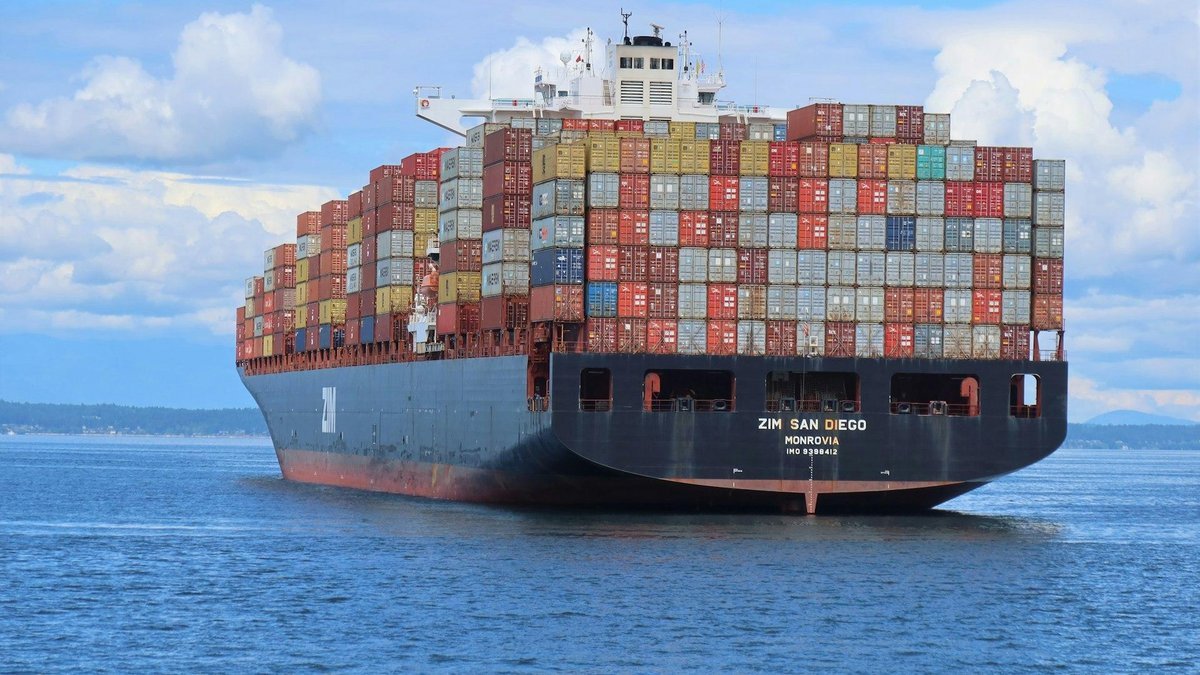
The oil and gas industry is pushing for the recognition of a contested fuel ahead of December’s climate talks, moving to influence the agenda as shipping organizations scale back their public advocacy. This shift in pressure suggests that energy producers are stepping in to shape the regulatory framework while maritime trade bodies remain quiet.
A think tank reports that shipping organizations have become less vocal in the lead-up to the negotiations, noting wavering support for key elements of the climate deal. In their absence, the oil and gas sector is actively seeking formal recognition for a fuel that remains a point of contention within the industry.
Why it matters
The silence from shipping organizations creates a space for energy producers to define which fuels are deemed acceptable for the future fleet. This risks a scenario where the regulatory path is determined by fuel availability and producer interests rather than the operational requirements of shipowners and charterers. When energy suppliers lead the conversation, the focus often shifts toward protecting existing infrastructure and supply chains rather than the technical needs of the vessels themselves.
For owners, this push for a contested fuel could lead to a regulatory environment that favors specific assets over others. If the oil and gas lobby succeeds, it may lock in fuel pathways that require significant capital expenditure, potentially before the maritime industry has reached its own consensus on the most viable long-term solutions. This leaves owners and charterers at risk of investing in technology that meets regulatory approval but fails to provide the long-term decarbonization or cost-efficiency the industry requires.
The wavering support for key elements of the climate deal suggests that the maritime industry is struggling to maintain a unified front. This fragmentation allows outside interests to steer the conversation, potentially leading to a regulatory outcome that prioritizes fuel production over the practicalities of operating a global fleet. For shipowners, the risk is a regulatory framework that is no longer aligned with the industry’s operational realities, creating uncertainty for long-term fleet planning and fuel procurement strategies.
What to watch
The December climate talks will reveal whether this lobbying effort translates into formal policy recognition for the contested fuel.
Source: ShippingWatch