NWSA bets on larger vessels despite 9.6% volume slump

NWSA year-to-date volumes dropped 9.6%, but an October import surge and HMM terminal expansion signal a shift toward larger vessel capacity.
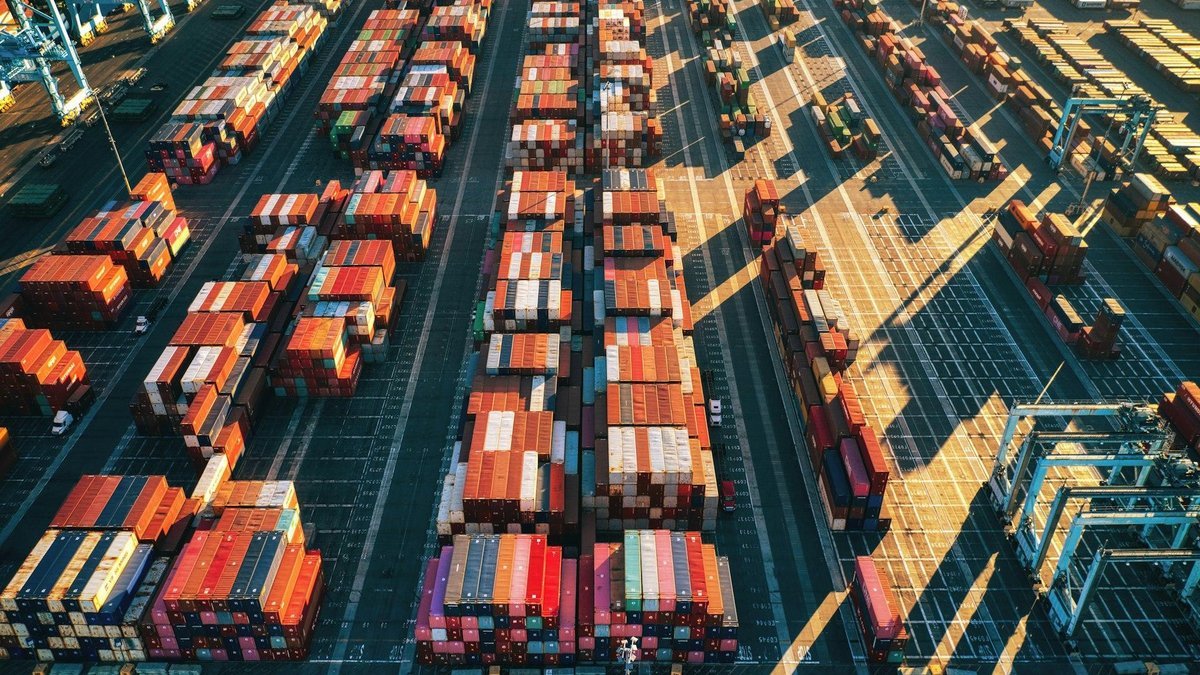
The Northwest Seaport Alliance (NWSA) is preparing Washington United Terminals for larger container vessels even as year-to-date volumes sit 9.6% below last year’s levels. While the first ten months saw total throughput drop to 2,409,441 TEU, a 13.1% surge in October imports and a major capacity expansion by HMM point to a long-term play for trans-Pacific market share.
NWSA reported that full imports and exports fell by 10.1% and 2.8% respectively through October. Domestic container volumes remained nearly flat, down 0.4% compared with YTD 2025, with a slight 0.6% gain in Alaska trade offset by a 5.4% drop in Hawaii cargo.
Washington United Terminals (WUT) is set for a massive overhaul following an $11.4 million federal grant to upgrade mooring bollards and build RTG runways. Separately, HMM will increase the terminal’s capacity from 590,000 TEU to 880,000 TEU, adding four new HD Hyundai Samho units—two ship-to-shore cranes and two RTGs—by 2028.
Why it matters
The WUT expansion is a strategic bet on vessel size. HMM’s investment to boost capacity by nearly 300,000 TEU, combined with federal funding for mooring upgrades, confirms that the terminal is being re-engineered for the industry’s largest ships. For charterers and owners of ultra-large container vessels, this creates a more viable alternative to the San Pedro Bay ports as trans-Pacific loops continue to upscale.
The 13.1% jump in October imports indicates that the year-to-date slump may have bottomed out. While total international and domestic volumes reached 235,210 TEU in October, the double-digit growth in full imports suggests that cargo owners are once again leaning on the Pacific Northwest gateway as a primary entry point.
The port’s auto business is currently surviving on Canadian spillover. NWSA admits that diverted units from Canada are offsetting tariff pressures, which kept auto volumes at 224,416 units despite a 2.2% decline. This leaves the auto segment vulnerable if Canadian congestion eases, as the underlying demand is being masked by these temporary diversions.
Strong industrial demand is the current silver lining for the alliance. Breakbulk volumes grew 12.2% to 345,075 tonnes in the first 10 months, providing a necessary revenue buffer for terminal operators while the container market stabilizes.
What to watch
The 2028 deadline for the delivery and commissioning of the HD Hyundai Samho cranes will mark the point when WUT can fully leverage its 880,000 TEU capacity. The project will increase WUT’s cargo-handling capacity to 880,000 TEU by 2028.