North Korean Shell Shipments to Russia Decline | Mariner News
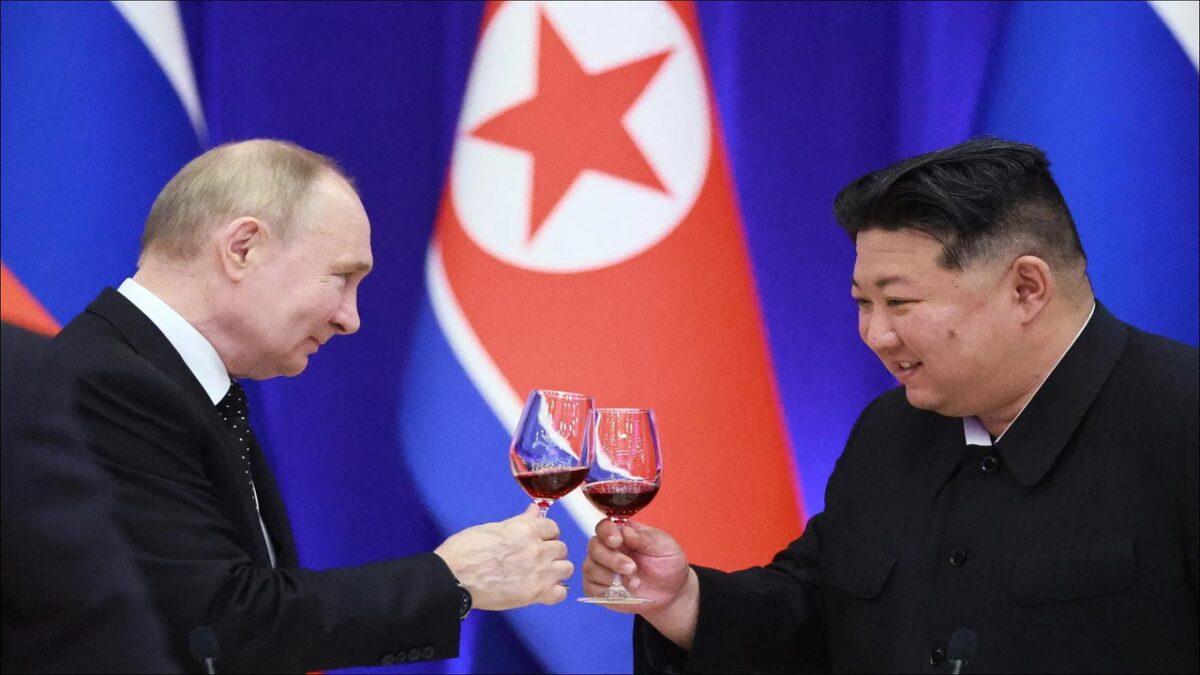
In a significant development for global maritime security and geopolitical analysis, recent findings indicate that North Korean ammunition shipments to Russia, crucial for Moscow’s ongoing conflict in Ukraine, appear to be tailing off. This observed reduction follows months of extensive transfers that saw numerous cargo vessels ferrying vital military supplies across sensitive sea lanes. The detailed analysis, conducted by Egor Feoktistov for the independent Russian research organization the Open Source Centre (OSC), provides an unprecedented look into the intricate web of logistics, identifying key ships, personnel, shipping routes, and the sophisticated deception techniques employed in these illicit operations. The comprehensive review by the OSC highlights not only the scale of these transfers but also suggests a notable decline in their frequency and volume, prompting questions about the future trajectory of military cooperation between Pyongyang and Moscow and its broader implications for international sanctions regimes.
Tracing the Maritime Lifeline: Key Vessels and Operators
The illicit arms trade between North Korea and Russia has relied heavily on a specific fleet of cargo vessels and a network of implicated companies. The OSC report meticulously identified four primary cargo ships central to these ammunition transfers: the Sierra Leone-registered Angara (IMO 9124043) and the Russian-flagged Maia-1 (IMO 9358010), both owned by MG-Flot, alongside the Antigua and Barbados-flagged Maria (IMO 9266566) and the Russian-flagged Lady R (IMO 9161003), owned by Sovfracht. These vessels formed the backbone of the maritime supply chain, facilitating the clandestine movement of shells and other military materials crucial for Russia’s war efforts.
Three of these ships – the Angara, Maia-1, and Lady R – along with their respective owning companies, MG-Flot and Sovfracht, have been placed under sanctions by multiple international jurisdictions due to their involvement in these prohibited transfers. The Maria stands out as the sole exception among the identified vessels, avoiding direct sanctions despite its active participation in the arms-carrying operations. This selective application of sanctions, whether intentional or an oversight, underscores the complexities and challenges inherent in enforcing international embargoes against such evasive networks.
Beyond the vessel owners, the investigation also shed light on the shipping managers facilitating these movements. Two Russian agencies, Sovfracht-Vostok and Dzhamaldin Pashaev, both of which are also under international sanctions, played critical roles in orchestrating the logistics for these North Korean ammunition shipments. Their involvement highlights a broader network of state-backed or state-affiliated entities actively engaged in circumventing international law. This intricate web of ownership and management underscores the deliberate and coordinated effort required to sustain such large-scale illicit arms transfers, revealing a high level of organization and resource allocation dedicated to maintaining this critical supply line to Russia.
Unveiling Deception: Routes, Tactics, and Crew Identification
From the outset of the agreement between Russia and North Korea several months prior, ammunition shipments commenced in earnest in September 2023. The primary origin point for these critical military supplies was the North Korean port of Rajin. From there, the four identified vessels embarked on numerous voyages, initially docking in Vladivostok, Russia, before potentially moving to other undisclosed destinations within Russian territory. Over 100 transits have been completed by these ships, underscoring the relentless pace and significant volume of materiel transferred during the peak period of these operations, directly supporting Russia’s military aggression in Ukraine.
To evade detection and circumvent international scrutiny, the vessels and their operators employed various sophisticated deception techniques. These tactics often included operating with their Automatic Identification System (AIS) transponders switched off, engaging in ‘dark voyages’ to obscure their true locations and intentions, particularly when navigating sensitive international waters. Additionally, the use of false flags, frequently changing registration, or providing misleading manifest documentation were common strategies to obfuscate the nature of their cargo and destinations. Such methods are standard practice in illicit maritime activities and pose significant challenges for global maritime surveillance and enforcement agencies tasked with tracking prohibited transfers.
Remarkably, the OSC report managed to identify multiple crew members and even the captains on board the four implicated ships, primarily through an unexpected source: social media postings. This feat of open-source intelligence is particularly noteworthy given that sailors on these types of sensitive voyages are typically banned from taking mobile phones on board, highlighting a significant security lapse by the operators. Furthermore, the analysis revealed a concerning pattern: many of these identified sailors had previously crewed arms-carrying vessels engaged in the notorious ‘Syrian Express’ run, a maritime route used by Russia to supply military aid to Syria. This background suggests a pool of experienced, perhaps even specialized, personnel accustomed to illicit and high-risk maritime operations, further illustrating the established infrastructure for such clandestine logistics.
The Evolving Dynamics of Arms Transfers: Why the Decline?
The observation that North Korean ammunition shipments to Russia are tailing off prompts a critical examination of the underlying reasons. Several factors could contribute to this notable decline, reflecting a complex interplay of logistical, diplomatic, and strategic considerations. One plausible explanation is the increased international scrutiny and pressure brought to bear on both North Korea and Russia. Heightened surveillance by intelligence agencies and open-source investigators, coupled with expanded sanction regimes, may be making it increasingly difficult and costly for the involved parties to sustain the previous pace of illicit transfers. The detailed exposure of vessels, companies, and even crew members could be acting as a powerful deterrent.
Another significant factor might be logistical hurdles and the potential depletion of North Korean stockpiles suitable for transfer. While North Korea possesses vast quantities of older Soviet-era ammunition, the consistent, high-volume demand from Russia for artillery shells and other munitions might be stretching Pyongyang’s capacity to produce or quickly transfer usable stocks. Transporting such large quantities of ammunition over long distances, particularly under the constant threat of interdiction and monitoring, inherently presents complex logistical challenges that could slow down operations.
Furthermore, changes in Russian demand or strategic shifts in its war efforts in Ukraine could also play a role. Moscow might have received an initial surge of ammunition that met its immediate critical needs, leading to a temporary saturation. Alternatively, Russia could be diversifying its arms procurement sources or intensifying its domestic production, thereby reducing its reliance on North Korean supplies. Diplomatic pressures from various international actors, even those not directly involved in sanctions, could also be quietly influencing the scale of these military transfers, creating a more cautious environment for both nations. The effectiveness of global counter-proliferation efforts, though often slow, can incrementally disrupt and reduce the flow of illicit arms.
Implications for Global Maritime Security and Sanctions Regimes
The observed tailing off of North Korean ammunition shipments carries significant implications for global maritime security and the effectiveness of international sanctions regimes. Firstly, it underscores the persistent challenge posed by state-sponsored illicit trade and the ingenuity employed to circumvent international law. While the decline is a positive indicator, the fact that such extensive transfers occurred for months highlights vulnerabilities in existing monitoring and enforcement mechanisms. The ability of sanctioned entities to operate with relative impunity for an extended period, moving critical military supplies, raises serious questions about the speed and efficacy of international responses.
Secondly, the success of open-source intelligence (OSINT) in exposing this network, including the identification of specific vessels, companies, and even crew members via social media, demonstrates the growing power of non-governmental organizations and independent researchers in tracking and publicizing illicit activities. This development adds a crucial layer of accountability and transparency that traditional intelligence gathering alone might not always achieve, providing valuable data for policymakers and sanctions bodies. It also suggests that future deterrence strategies might increasingly rely on such public exposure to disrupt clandestine operations.
Finally, the situation emphasizes the continuous need for adaptive and robust sanctions enforcement. The identification of a ship like the Maria, participating in these transfers but remaining unsanctioned, points to potential gaps or delays in the implementation of restrictive measures. For sanctions to be truly effective, they must be comprehensive, consistently applied, and capable of quickly adapting to the evolving tactics of those seeking to evade them. The maritime domain, with its vastness and the complexities of international law, remains a critical frontier in the battle against illicit arms proliferation and geopolitical maneuvering, demanding constant vigilance and innovative approaches to maintain global stability.
Conclusion: Monitoring the Future of Illicit Maritime Transfers
The apparent tailing off of North Korean ammunition shipments to Russia represents a notable shift in a critical geopolitical supply chain, offering a glimmer of success for international monitoring efforts. The comprehensive analysis provided by organizations like the Open Source Centre has been instrumental in exposing the clandestine operations, detailing the vessels, companies, routes, and deceptive practices involved in facilitating these prohibited arms transfers. While the decrease in volume is a welcome development, it is imperative that vigilance remains high. The reasons behind this decline are multifaceted, ranging from increased international scrutiny and logistical challenges to potential shifts in demand or supply, all of which contribute to the dynamic nature of illicit maritime activities.
Looking ahead, the international community must continue to enhance its capabilities for tracking and interdicting such illegal trade. This includes strengthening sanctions regimes, improving information sharing between intelligence agencies, and leveraging the power of open-source intelligence to identify and expose future attempts at circumvention. The experience of the North Korea-Russia arms corridor underscores that preventing the flow of military supplies to conflict zones requires a coordinated, multi-faceted approach, combining diplomatic pressure, economic sanctions, and robust maritime surveillance. The global maritime domain remains a vital artery for both legitimate commerce and illicit operations, making its security paramount for geopolitical stability and adherence to international law. Monitoring these developments closely will be key to understanding the evolving landscape of global conflicts and the illicit networks that sustain them, ensuring timely responses to protect international peace and security.