Norden Halts Hormuz Trade: Market Panic & Shipping Impact | Mariner News
The maritime world is once again bracing for significant disruption as Norden, a prominent Danish shipping company, has announced a complete halt to all new trade through the Strait of Hormuz. This pivotal decision, prompted by escalating geopolitical tensions in the region, has sent immediate ripples through the global shipping industry, leading to what some market participants describe as palpable “panic in the market.” The Hormuz trade halt by a major player like Norden underscores the severe security risks now confronting commercial vessels navigating this critical chokepoint, fundamentally reshaping operational strategies and raising concerns about global supply chain stability.
Norden’s move isn’t an isolated incident but rather a symptom of heightened anxieties following a series of incidents in the Red Sea and surrounding waters, which have pushed maritime security to the forefront of industry discussions. The Strait of Hormuz, linking the Persian Gulf with the Arabian Sea and beyond, is arguably the most vital oil transit chokepoint in the world. Its strategic significance means any disruption has far-reaching consequences, affecting not only energy prices but also the broader logistics landscape. This immediate market reaction, characterized by rising insurance premiums and cautious re-evaluations of existing contracts, highlights the precarious balance of maritime trade in an increasingly volatile world. The decision by Norden shipping company serves as a stark reminder of the intricate relationship between geopolitical events and the resilience of global commerce.
The Strategic Significance of the Strait of Hormuz
The Strait of Hormuz represents one of the world’s most critical maritime chokepoints, a narrow waterway essential for global energy supplies. Approximately one-fifth of the world’s total oil consumption, along with a significant portion of liquefied natural gas (LNG), transits through this passage daily. This immense volume of cargo, primarily carried by oil tankers and gas carriers, underscores why any threat to navigation here quickly escalates into a global economic concern. For decades, the strait has been a focal point of geopolitical contestation, with its security intrinsically linked to regional stability and international energy markets. Its strategic location makes it an unavoidable route for vessels departing major oil-producing nations in the Middle East bound for consumers worldwide.
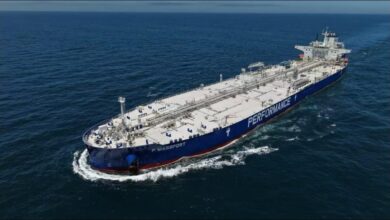
Any threat to the free passage of vessels through Hormuz directly impacts the uninterrupted flow of oil and gas, potentially leading to sharp increases in energy prices and significant economic repercussions for importing nations. The sheer volume of crude oil and petroleum products passing through makes it indispensable. Tanker traffic in this region is constant, with behemoths like VLCCs (Very Large Crude Carriers) being a common sight. The historical context of tensions, including past naval incidents and geopolitical standoffs, has consistently highlighted the fragility of peace in this vital maritime corridor. Thus, the current Hormuz trade halt by Norden amplifies existing fears about the vulnerability of such crucial global arteries.
Norden’s Decision: Reasons and Immediate Fallout
Norden’s executive team explicitly cited the escalating risks to vessel safety and crew security as the primary motivators behind their decision to halt new voyages through the Strait of Hormuz. In an environment where the threat of piracy, drone attacks, and other forms of maritime aggression has become increasingly unpredictable, ensuring the well-being of their personnel and safeguarding valuable assets is paramount. This proactive measure reflects a growing sentiment within the shipping industry that the potential for severe incidents outweighs the commercial benefits of continued operations in high-risk zones. The company’s announcement suggests that existing risk mitigation strategies are no longer sufficient to guarantee safe transit, necessitating a more drastic approach.
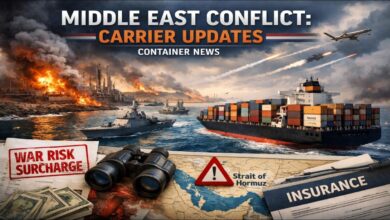
Immediately following Norden’s announcement, the market reacted with predictable trepidation, reinforcing the sentiment of a “maritime market panic.” Insurance premiums for vessels operating in the region saw an instant surge, with some reports indicating increases of up to 100% or more for war risk coverage. Shipowners and charterers now face significantly higher operational costs, forcing them to re-evaluate their entire routing and pricing structures. Furthermore, the decision has spurred a ripple effect, prompting other shipping lines and tanker operators to review their own commitments to the region, potentially leading to further widespread disruptions. The prospect of re-routing vessels around the Cape of Good Hope, adding weeks to transit times and dramatically increasing fuel consumption, looms large over the sector. This has a direct impact on freight rates and the overall efficiency of global maritime logistics, creating a domino effect across various industries dependent on timely deliveries.
Navigating Disruption: Impact on Global Shipping and Supply Chains
The ripple effects of the Hormuz trade halt extend far beyond immediate shipping concerns, posing significant challenges to global supply chains and international trade. With major carriers either avoiding the strait or implementing surcharges, the cost of transporting goods is inevitably set to rise. For cargoes that historically relied on the Strait of Hormuz for efficient transit, the alternative routes, primarily circumnavigating the African continent, add considerable time and expense. This extended voyage necessitates more fuel, incurs higher labor costs due to longer crew rotations, and ties up valuable vessel capacity for longer periods, ultimately reducing the overall efficiency of the global fleet. This escalation in operational expenditure will eventually be passed on to consumers, contributing to inflationary pressures in economies worldwide.
The energy markets are particularly vulnerable to these disruptions. As crude oil and liquefied natural gas shipments face potential delays or increased costs, the stability of global energy prices comes under threat. Major oil-importing nations in Asia and Europe, heavily reliant on Middle Eastern supplies, could experience significant price volatility and supply uncertainties. Beyond energy, the broader impact on global supply chains includes potential delays for manufacturing inputs, consumer goods, and other commodities. Companies that operate on just-in-time inventory models will find themselves particularly exposed to these delays, facing production bottlenecks and delivery failures. The sudden shift in shipping patterns creates logistical nightmares for ports and inland transportation networks, which must now adapt to altered vessel schedules and potentially increased traffic in alternative hubs. This widespread disruption highlights the delicate interconnectedness of modern global trade and the profound vulnerabilities exposed by regional instability.
Geopolitical Undercurrents and Future Outlook
Norden’s decision to cease new trade through the Strait of Hormuz is not merely a commercial one; it is deeply rooted in the complex and volatile geopolitical landscape of the Middle East. The escalating tensions in the region, particularly those involving state and non-state actors, have created an environment where commercial shipping vessels are perceived as legitimate targets. These geopolitical undercurrents, driven by regional rivalries and international power dynamics, make maritime operations inherently risky. The presence of international naval forces, while intended to deter aggression, also underscores the severity of the threat, highlighting that self-protection measures by shipping companies may no longer be sufficient. The call for greater collective security within the maritime industry has intensified, with stakeholders urging for more robust international cooperation to safeguard crucial shipping lanes.
The future outlook for maritime traffic through the Strait of Hormuz remains uncertain and contingent on de-escalation efforts by key regional and global powers. Without a significant reduction in geopolitical tensions and a renewed commitment to securing international waters, more shipping companies may follow Norden’s lead, opting for safer, albeit longer and costlier, routes. This long-term re-routing could fundamentally alter established global trade arteries, leading to a permanent shift in maritime logistics. Governments and industry bodies are exploring various strategies, including diplomatic interventions, enhanced naval patrols, and multilateral security initiatives, to restore confidence in the region. However, the complexity of the political situation suggests that a swift resolution is unlikely, implying that the shipping industry outlook will continue to be overshadowed by ongoing security concerns for the foreseeable future. The potential for the strait to become a consistently high-risk zone could necessitate a complete re-evaluation of how global energy and goods are transported.
Adapting to Uncertainty: Strategies for the Maritime Industry
In response to the current “maritime market panic” and the ongoing Hormuz trade halt, the shipping industry is being forced to accelerate its adaptation strategies. Risk management is paramount, with companies meticulously reviewing their exposure and implementing more stringent internal protocols. This includes detailed threat assessments, enhanced crew training for security protocols, and potentially investing in additional security measures for vessels. Furthermore, the role of marine insurance has never been more critical; companies are grappling with significantly increased premiums for war risk insurance, necessitating a re-evaluation of their overall financial planning and operational budgets. This financial burden inevitably impacts freight rates, but it is a cost deemed necessary to mitigate catastrophic losses.
Diversification of routes and vessel types is emerging as a key strategic imperative. While circumnavigating Africa adds considerable time and cost, it offers a perceived safer alternative to high-risk zones. Shipping lines are exploring the feasibility of using a wider range of vessels, potentially smaller ones that might be more agile or those equipped with advanced defensive capabilities. Technological solutions, such as enhanced satellite tracking, real-time threat intelligence feeds, and advanced navigation systems, are becoming indispensable tools for improving situational awareness and enabling rapid decision-making in volatile environments. Beyond individual company actions, there is a growing recognition for stronger collaboration between maritime stakeholders. This includes sharing threat intelligence, coordinating convoy operations with naval escorts, and advocating for international frameworks that ensure the safety of global maritime trade. The ability of the industry to adapt and innovate in the face of these unprecedented challenges will determine its resilience and future trajectory.
Conclusion: Navigating a New Era of Maritime Risk
Norden’s decision to halt new trade through the Strait of Hormuz marks a critical turning point for the global shipping industry, ushering in a new era defined by heightened geopolitical risk and operational uncertainty. The Hormuz trade halt has underscored the vulnerability of key maritime chokepoints and the immediate market panic that can ensue when these arteries are threatened. The repercussions are far-reaching, impacting not only freight rates and insurance premiums but also global energy markets and the stability of supply chains worldwide. This event serves as a powerful reminder of the delicate balance between geopolitical stability and the smooth flow of international commerce, particularly for crucial commodities like oil and gas.
The maritime sector must now confront the reality of persistent threats and adapt with unparalleled resilience. Moving forward, the industry will require a multi-faceted approach, combining robust risk management, strategic route diversification, technological innovation, and strengthened international cooperation. The ability to navigate these complex challenges will determine the future landscape of global trade, ensuring that essential goods and energy continue to reach their destinations, even amidst an increasingly turbulent geopolitical climate. The lessons learned from this period of disruption will undoubtedly shape policies and practices for decades to come, demanding continuous vigilance and proactive strategies from all stakeholders in the global maritime community.