Norden Halts Hormuz Trade Amid Security Concerns | Mariner News
In a significant move reflecting heightened geopolitical tensions, Danish shipping giant Norden has announced a decision to halt new trade via the Strait of Hormuz, citing an increasingly perilous security situation in the region. This pivotal decision by a major player in the global shipping arena underscores the severe risks currently faced by vessels traversing this critical maritime chokepoint. The company’s immediate cessation of new bookings for the Strait of Hormuz highlights an industry-wide concern for crew safety and operational integrity, sending ripples throughout the international maritime community and impacting supply chain stability for crucial commodities.
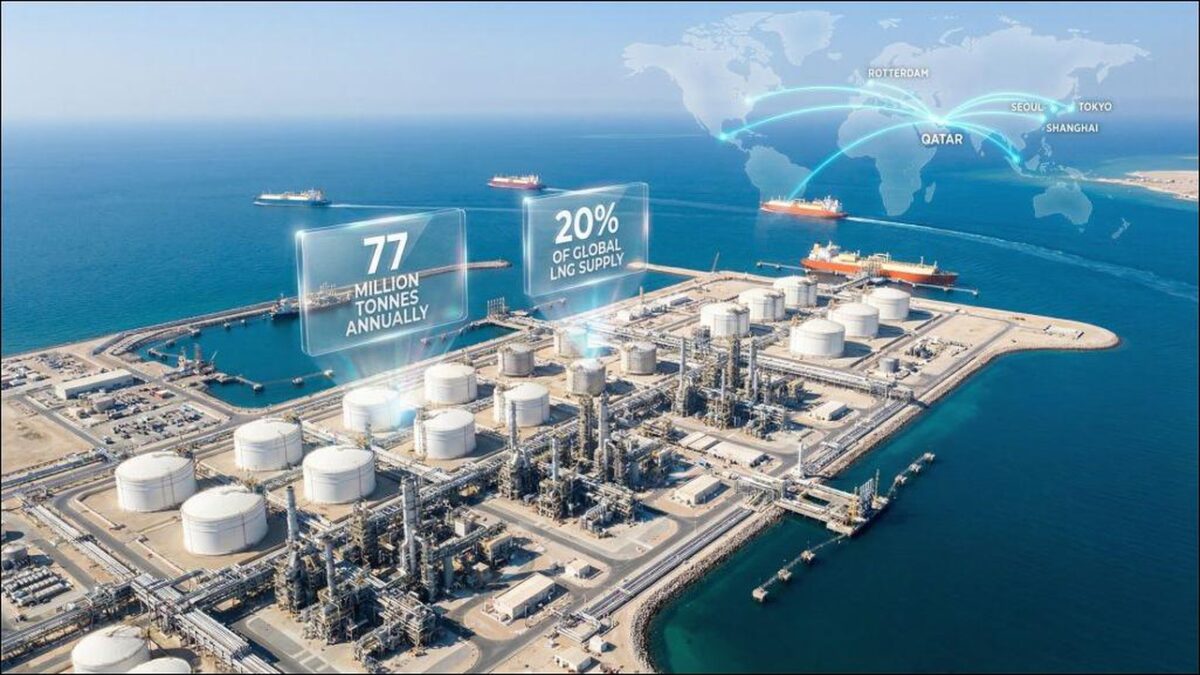
The Strait of Hormuz is unequivocally one of the world’s most vital waterways, serving as the narrow gateway between the Persian Gulf and the open ocean. Its strategic importance cannot be overstated, particularly for the global energy market. Approximately one-fifth of the world’s total petroleum consumption, and a substantial portion of global liquefied natural gas (LNG) shipments, transit through this strait daily. This makes the waterway an indispensable artery for the transport of crude oil, refined petroleum products, and natural gas from major producers in the Middle East to markets across Asia, Europe, and the Americas. Any disruption here has immediate and far-reaching consequences for international energy security and prices, affecting consumers and industries worldwide. The volume of tanker traffic alone through this chokepoint is immense, making it a constant focus for geopolitical strategists and maritime security experts.
Escalating Security Risks in the Middle East Maritime Region
The decision by Norden to halt new trade via Hormuz comes amidst a backdrop of escalating maritime security threats in the broader Middle East region. Recent months have seen a concerning uptick in incidents, including drone attacks, missile threats, and vessel seizures, predominantly in the Red Sea and Gulf of Aden but extending into the Persian Gulf itself. These acts, often linked to ongoing regional conflicts and proxy engagements, directly imperil commercial shipping, threatening the lives of seafarers and the integrity of valuable cargo. Shipping companies are increasingly grappling with the grim reality that once relatively safe international waters are now zones of significant risk. The proliferation of advanced weaponry in the hands of non-state actors adds another layer of complexity to an already volatile environment, compelling operators to reassess their risk mitigation strategies.
These threats are not isolated incidents but rather part of a broader pattern of instability that is systematically eroding confidence in the safety of transit through key maritime corridors. The economic implications are substantial, as the costs associated with increased insurance premiums, enhanced security measures, and potential rerouting become prohibitive. Moreover, the psychological toll on crews and the operational complexities for vessel operators are immense. The current geopolitical landscape demands an unprecedented level of vigilance and adaptive planning from every entity involved in global shipping, particularly those with a significant presence in the region. The decision by Norden underscores a critical turning point where the perceived risks now outweigh the commercial incentives for engaging in new voyages through this particularly exposed waterway.
Norden’s Strategic Decision and its Immediate Ramifications
Norden’s announcement specifically targets new bookings, indicating a cautious approach rather than an immediate full withdrawal. This nuanced strategy allows the company to manage existing commitments while preventing the accumulation of new exposure to the escalating security risks. The primary motivation, as articulated by the company, is the unwavering commitment to the safety and well-being of its crews and the protection of its valuable assets. For a company like Norden, which operates a diverse fleet including product tankers and dry cargo vessels, the implications of a security incident are profound, ranging from human tragedy to severe financial penalties and reputational damage. This proactive stance is intended to mitigate such potential catastrophes.
Operational challenges stemming from this decision are immediate and multifaceted. Shippers reliant on Norden’s services for routes through Hormuz will now need to seek alternative carriers or explore entirely different shipping routes. This could lead to temporary disruptions in supply chains, especially for commodities that are time-sensitive or require specialized vessel types. While Norden has not detailed specific alternative routes, the options typically involve longer voyages around the Cape of Good Hope, which significantly increase transit times, fuel consumption, and associated costs. Such rerouting can stretch logistical capabilities and necessitate adjustments across the entire operational spectrum, from scheduling to port calls. The company’s decision, therefore, is not merely an internal policy but a signal that could compel other operators to reconsider their current strategies for the Strait of Hormuz.
Broader Industry Impact: Navigating Red Sea and Gulf Shipping Challenges
The ripple effects of Norden’s decision extend far beyond its own fleet, influencing the broader maritime industry and global supply chains. When a prominent shipping firm takes such a definitive action, it often precipitates similar evaluations and policy shifts among other major carriers. This collective caution can lead to a significant tightening of available shipping capacity for routes through the Strait of Hormuz and the wider Gulf region. The immediate consequence for charterers and cargo owners will likely be an increase in freight rates, reflecting the higher operational risks and the diminished supply of willing vessels. Furthermore, marine insurance premiums for voyages through designated high-risk areas have already seen sharp rises, and this trend is expected to accelerate, adding another layer of cost to international trade.
For energy markets, the implications are particularly acute. Any perceived threat to the smooth flow of oil and gas through the Strait of Hormuz can trigger volatility in global commodity prices. Traders and refiners will closely monitor vessel movements and security updates, reacting to even minor incidents with price adjustments. The alternative routes, while safer, are inherently less efficient. A voyage around the Cape of Good Hope can add weeks to a journey, delaying vital energy shipments and increasing inventory holding costs. This not only impacts the immediate availability of resources but also strains the logistics networks designed for more direct transit. The challenge for global shipping is to maintain continuity and efficiency while prioritizing safety in an increasingly complex geopolitical environment.
Future Outlook and Maritime Security Measures
The current security climate in the Middle East is prompting a fundamental reassessment of traditional shipping routes and operational norms. While the Strait of Hormuz remains strategically indispensable, the sustained threats may accelerate long-term shifts in how global shipping companies plan their voyages. Some experts predict a greater emphasis on multimodal transport solutions or a permanent diversion of certain cargo types away from high-risk maritime chokepoints, wherever feasible. This could lead to a restructuring of established supply chains and a push for greater regional self-sufficiency in energy and goods, though such changes require significant infrastructure investment and political will. The long-term economic repercussions of such persistent instability could be substantial, affecting trade balances and regional development.
In response to these pervasive threats, international bodies and naval coalitions are redoubling efforts to enhance maritime security in the region. Increased naval presence, improved intelligence sharing, and collaborative surveillance are critical components of these endeavors. However, the asymmetric nature of some of the threats means that even robust military escorts may not completely eliminate all risks. The shipping industry itself is investing in advanced vessel protection systems, enhanced crew training for emergency situations, and sophisticated tracking technologies to monitor threats in real-time. Ultimately, the stability of tanker operations and other cargo transport through the Strait of Hormuz hinges on a de-escalation of regional conflicts and a renewed commitment to international maritime law. Until then, vigilance and adaptive strategies will remain paramount for navigating these treacherous waters.