NES Supplies Onshore Charging Stations for Fjord1 Ferries | Mariner News
Norwegian Electric Systems (NES) has secured a significant contract to equip Fjord1 ferries with advanced onshore charging stations, marking a major step towards sustainable maritime transport in Norway. This initiative will provide crucial infrastructure for the Krakhella-Rysjedalsvika ferry service, enhancing the operational efficiency of electric ferries and solidifying Norway’s commitment to green shipping solutions. This development highlights the growing investment in robust charging networks for the electric maritime sector.
Advanced Charging Solutions for Fjord1
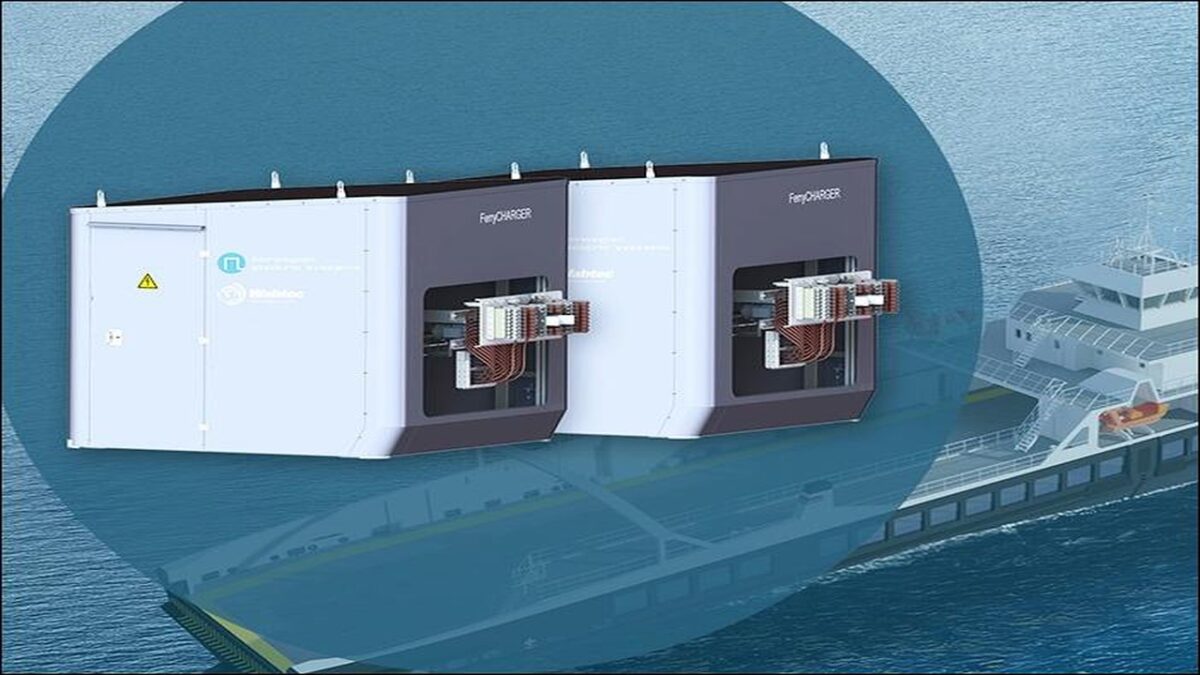
The project involves installing two sophisticated charging systems, one at each terminal. The Rysjedalsvika site will feature a powerful fast-charging setup exceeding 8 MW, supported by a dedicated battery system and an automated charging tower. Meanwhile, the Krakhella terminal will receive a container-based station utilizing state-of-the-art Megawatt Charging System (MCS) technology, ideal for high-power charging and overnight use. The comprehensive delivery also includes essential components like switchboards, an e-house, and transformers.
Boosting Sustainable Maritime Operations
Hans Petter Erlandsen, Senior Bid Manager at NES, emphasized that these installations are pivotal for enabling “fast and robust charging to support efficient hybrid-ferry operations on one of the region’s key connections.” This commitment to innovative charging infrastructure directly contributes to reducing the carbon footprint of the maritime industry, aligning with global efforts for environmental sustainability and cleaner ferry services.
Norway’s Green Shipping Future
With the Krakhella station scheduled for completion in late 2026 and Rysjedalsvika in 2028, these maritime charging solutions will pave the way for more widespread adoption of electric and hybrid vessels. This strategic investment by Fjord1 and NES underscores Norway’s leadership in developing and implementing eco-friendly technologies for its vital ferry networks, ensuring a greener future for coastal transport.