NABU Study: LNG Ships May Struggle with Shore Power | Mariner News
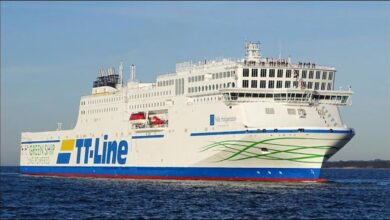
A recent study commissioned by German environmentalist NABU and conducted by CE Delft reveals significant challenges for LNG-fuelled ships attempting to utilize shore power while in port. The groundbreaking research indicates that many vessels designed to run on Liquefied Natural Gas are technically unable to fully transition to an onshore electricity supply. This unforeseen obstacle complicates efforts to reduce maritime emissions and improve air quality in port communities, a critical aspect of maritime sustainability.
Technical Hurdles with Boil-Off Gas
The core of the problem lies with boil-off gas. Even when an LNG ship’s engines are shut down, the stored fuel continues to produce gas. If this boil-off gas cannot be safely managed or consumed while connected to a shore power system, it can lead to dangerous methane emissions or safety risks from increasing tank pressure. This technical limitation often prevents vessels from fully disengaging their onboard power generation, undermining the environmental benefits of shore-side electricity.
Implications for Decarbonization Efforts
Shore power is widely recognized as a pivotal tool for decarbonizing shipping and cutting greenhouse gas emissions at berth, with mandatory adoption slated for many EU ports by 2030. However, the study suggests that current investments in LNG technology, intended as a bridge fuel, might inadvertently lock in fossil fuel infrastructure for decades. This could potentially slow down genuine innovation towards truly zero-emission port operations, according to NABU.
Navigating Future Maritime Regulations
The findings underscore a crucial disconnect between ship design, operational realities, and ambitious regulatory requirements for emission-free port stays. Addressing this challenge requires urgent collaboration between shipbuilders, port authorities, and regulators to develop integrated solutions. Ensuring LNG ships can effectively use shore power is vital for achieving our collective sustainability goals and fostering cleaner shipping worldwide.