

MSC targets cruise shipyard ownership to bypass capacity bottlenecks
MSC seeks to own a cruise-ship yard to secure its fleet programme and deploy capital as port deals stall and yard capacity tightens.
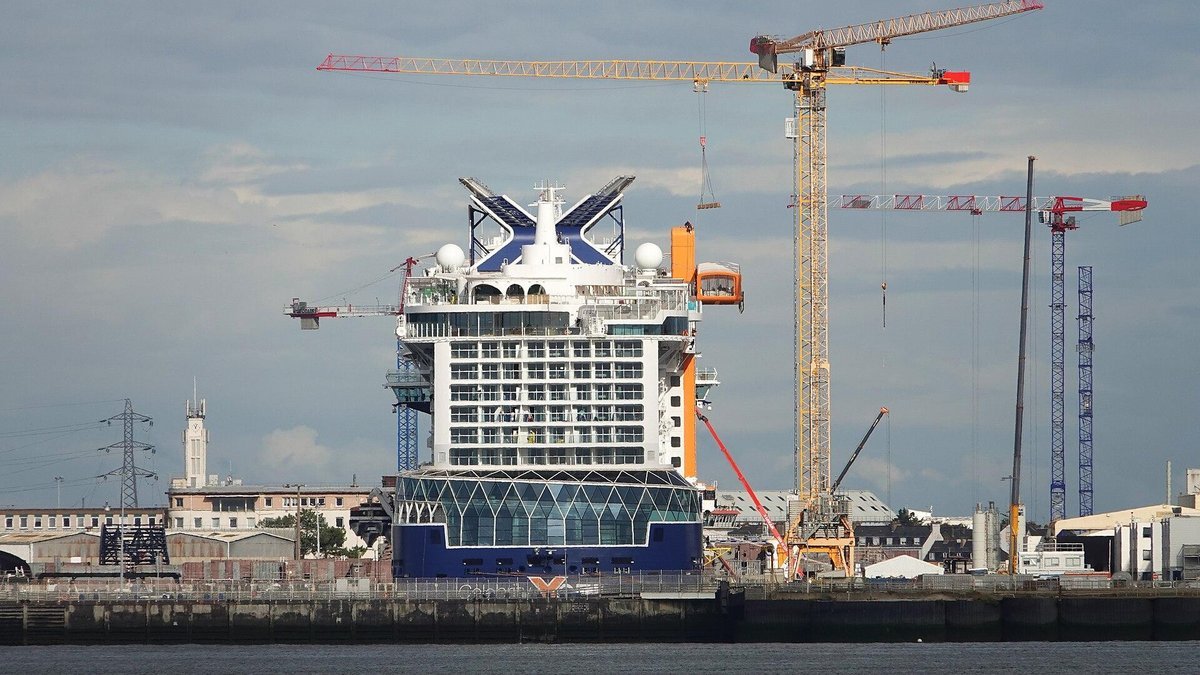
MSC is moving to acquire cruise-ship yard capacity to protect its fleet expansion plans from a global shortage of building slots. The strategy provides a new outlet for the group’s capital as its efforts to acquire port assets face delays.
The company aims to secure its long-term fleet programme by owning the production facilities directly. This move addresses a critical bottleneck in the maritime industry where cruise-yard capacity is currently scarce.
The shift in investment focus follows a period where MSC’s planned port acquisitions have stalled, leaving the company with capital that requires a new home.
Why it matters
Owning a yard changes the economics of fleet renewal for MSC. Instead of competing for limited slots at established yards, the company gains direct control over its delivery schedule. This removes the risk of competitors locking up capacity and delaying MSC’s growth in the cruise sector.
The move signals a pivot in how the group deploys its cash reserves. With port deals hitting hurdles, vertical integration into shipbuilding offers a way to put capital to work while securing a vital part of the supply chain. This strategy ensures that MSC is not dependent on the volatile availability of third-party builders.
For the wider cruise industry, an MSC-owned yard would likely tighten the market. If a major operator takes capacity off the merchant market for its own use, other owners face higher prices and longer wait times at the remaining independent yards. This consolidation of the supply chain gives MSC a structural advantage over rivals who remain reliant on external contractors.
What to watch
The specific yard targets MSC identifies and whether these acquisitions face the same regulatory hurdles that have stalled the company’s recent port deals.
Source: Container News