MSC Rejects ZIM: Analyst on Strategic Control | Mariner News
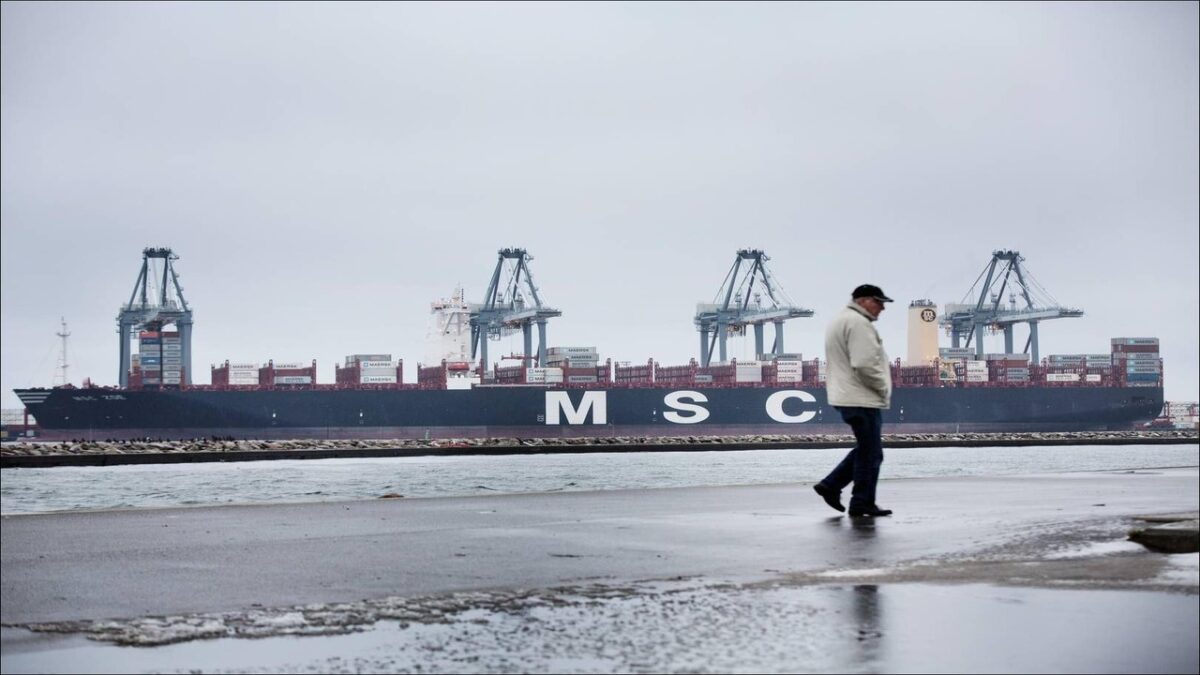
The recent rejection by Mediterranean Shipping Company (MSC) of an overture from ZIM Integrated Shipping Services has sparked significant discussion within the container shipping industry. An analyst suggests MSC’s decision fundamentally stems from a strong desire to maintain “control of its own destiny,” highlighting a strategic emphasis on independence rather than ventures that could dilute its autonomy. This move underscores MSC’s assertive posture in the competitive maritime sector.
The Rationale Behind MSC’s Strategic Decision
Analysts point to MSC’s consistent strategy of self-reliance and organic growth as a key driver. By declining a potential partnership or merger, MSC reinforces its commitment to charting its own course in global shipping. This pursuit of strategic independence allows MSC to make agile decisions regarding fleet expansion, route optimization, and technological investments without external influence, ensuring its long-term vision remains uncompromised.
Impact on the Container Freight Market
MSC’s stance has immediate implications for the broader container freight market. It signals a potential shift where major shipping lines prioritize individual strategic pathways over larger consolidations. This decision could influence how other carriers evaluate their own strategic options, potentially fostering an environment of independent growth or more selective collaborations within maritime logistics.
Ultimately, MSC’s rejection of ZIM underscores a clear intent to safeguard its operational freedom and strategic direction. This focus on internal control is pivotal for MSC as it navigates the evolving challenges and opportunities in the dynamic container shipping industry, positioning itself for sustained leadership.